U.S. airlines raise baggage fees as jet fuel costs jump
U.S. airlines raised baggage fees after jet fuel prices climbed from $2.50 to $4.81 per gallon between Feb. 27 and April 8, 2026.
Lauren Collins ·
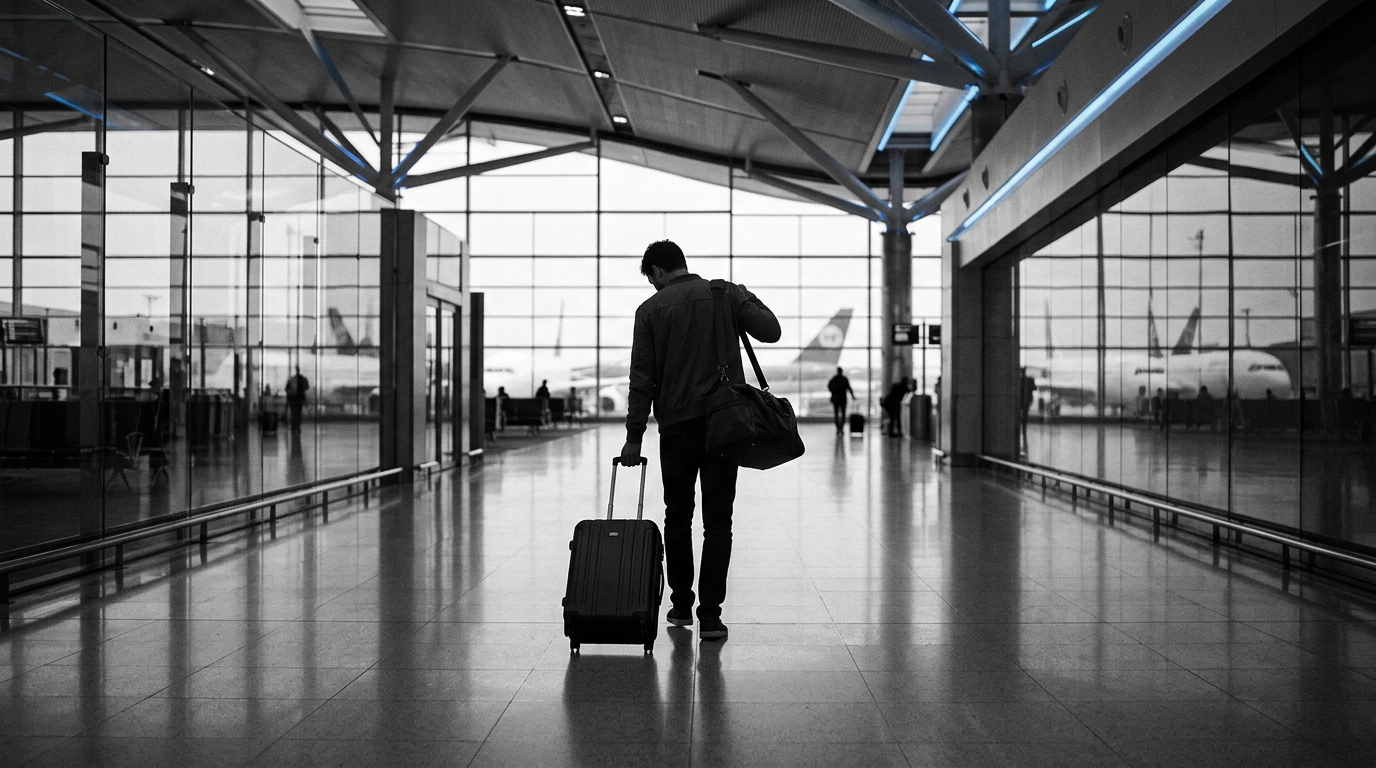
Several major U.S. airlines, including Delta, United Airlines, and JetBlue, have moved to raise baggage fees after a sharp increase in jet fuel prices, according to company actions described in recent announcements. United and JetBlue initiated the changes last week, and Delta followed on Tuesday, April 8, 2026.
The fee increases are being attributed to a steep rise in fuel costs tied to volatility in oil markets. Officials linked that volatility to the U.S.-Israeli military conflict in Iran, which began in February 2026 and was followed by Iran’s closure of the Strait of Hormuz, a major route for oil shipments.
Data cited for major U.S. air hubs shows jet fuel prices nearly doubled over the period. The average price per gallon rose from $2.50 on February 27, 2026, to $4.81 by April 8, 2026, underscoring the scale of the cost pressure airlines say they are facing.
Delta detailed a new pricing schedule that takes effect Wednesday, April 9, 2026. On most routes, the carrier will charge $45 for a first checked bag, up $10, and $55 for a second checked bag, also up $10. A third checked bag will cost $200, reflecting a $50 increase.
The changes place baggage fees at the center of how airlines manage higher operating expenses when fuel prices rise quickly. While the companies cited fuel as the driver, the timing also highlights how fast-moving geopolitical events can feed into day-to-day travel costs for consumers and business travelers.
Delta’s update on fees came alongside financial guidance that pointed to continued profitability despite the cost shock. The company said it expects a pre-tax profit of approximately $1 billion for the quarter ending June 2026, and it reported record revenue of $15.9 billion for the March 2026 quarter.
For travelers, the immediate effect is a higher out-of-pocket cost for checked luggage on many itineraries, particularly for passengers checking multiple bags. For airlines, the adjustments show how carriers can change ancillary charges in response to rapid shifts in input costs, even as they report strong revenue performance.
Key uncertainties remain around how long elevated jet fuel prices persist and whether oil-market volatility continues at the same intensity. The underlying trigger cited in the fuel surge—the conflict that began in February 2026 and the closure of the Strait of Hormuz—remains central to the cost environment described by the airlines.