China leverages Middle East conflict for energy goals
China leverages Middle East conflict, including the Iran-Israel war, to push renewables, expand influence abroad, and reduce oil exposure.
Lauren Collins ·
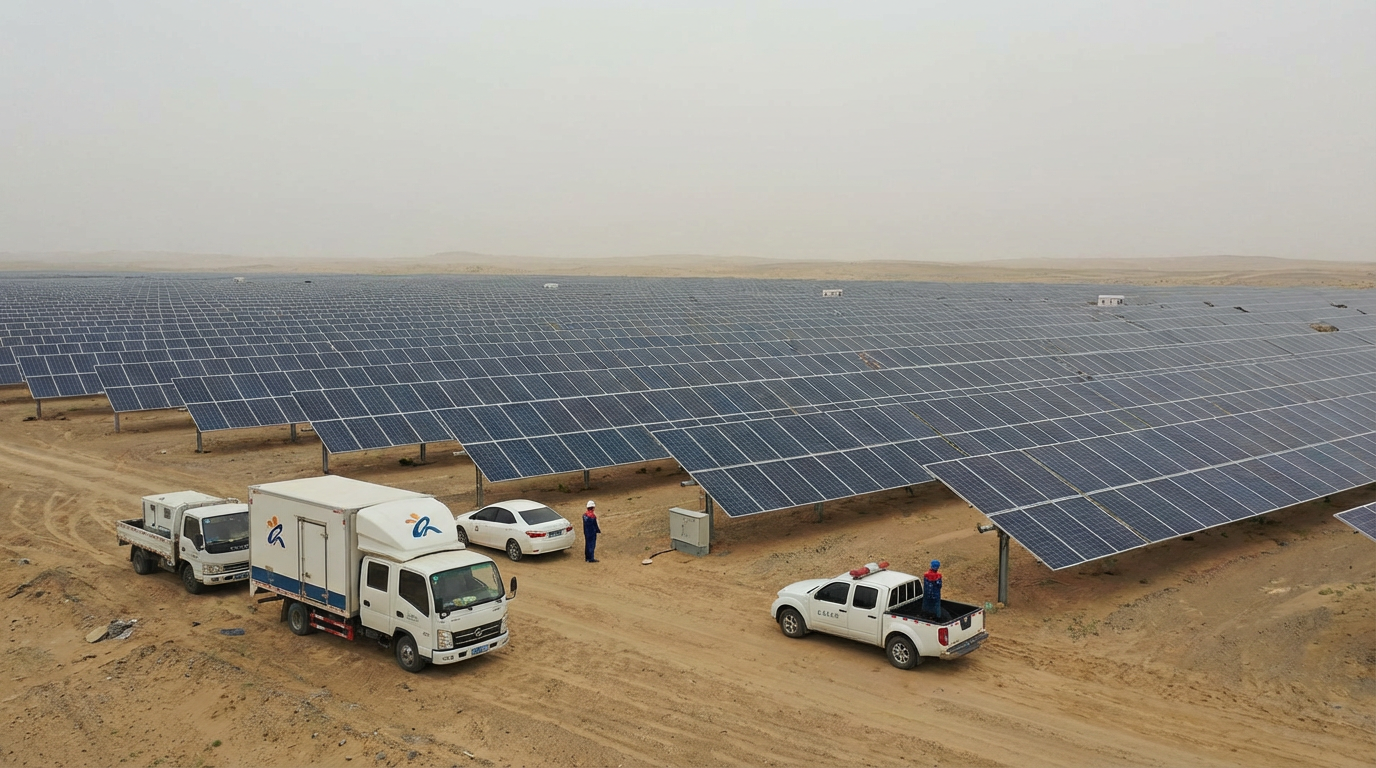
China is positioning itself to benefit strategically from the ongoing conflict in the Middle East, with the Iran-Israel war highlighted as a central driver of the current geopolitical dynamic. The situation has drawn sustained international focus to a volatile region, while Beijing advances energy and economic priorities that officials and analysts describe as long-term and globally oriented.
According to the account, the conflict has intensified through recent military actions and threats of blockades. As diplomatic and military attention concentrates on managing risks in the region, Western powers are described as committing significant resources to the Middle East, creating space for China to pursue its objectives with less scrutiny and reduced competitive pressure.
The narrative says this environment is enabling Beijing to expand its influence beyond Asia, including in Africa and Latin America. The approach is described as combining infrastructure projects with resource acquisition, allowing China to deepen economic ties and strengthen its footprint in regions where competition for access, investment, and strategic partnerships is ongoing.
At the same time, China is described as accelerating investment in renewable energy technologies and scaling domestic production capabilities. The stated aim is to secure a leading role in the global energy transition away from fossil fuels, with a particular focus on renewable energy and electric vehicle technology as pillars of a future energy system.
The source material links this push to broader shifts in global energy interest, noting that instability in major oil-producing regions can reinforce interest in alternatives to traditional hydrocarbons. In that framing, the Middle East conflict is portrayed as aligning with China’s strategic pivot toward green energy, as governments and companies weigh the risks associated with supply disruptions and geopolitical shocks.
China’s strategy is also presented as a way to reduce exposure to Middle Eastern oil, which the text describes as vulnerable to regional conflict. By building strength in renewables and related manufacturing, Beijing is portrayed as seeking greater energy security and economic resilience over the next decade, while aiming to shape the post-fossil-fuel economy.
Key uncertainties remain embedded in the situation described. The duration and trajectory of the Iran-Israel war, the likelihood of blockades, and the scale of continued Western engagement are all variables that could affect how much strategic room China ultimately gains, and how quickly the global energy transition proceeds under heightened geopolitical stress.