Turkey Warns of Escalating Risks Over New Regulations in the Strait of Hormuz
Turkey warns proposed Strait of Hormuz transit rules could escalate tensions after failed U.S.-Iran talks, as energy prices react.
Lauren Collins ·
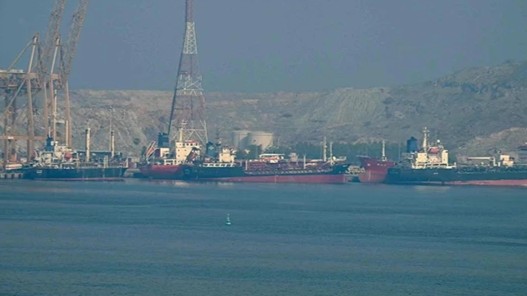
Turkey’s foreign minister Hakan Fidan said on Monday, April 13, 2026, that proposed new transit regulations for the Strait of Hormuz—floated by either Iran or the United States—could increase the risk of escalation around one of the world’s most important shipping corridors. Speaking in Ankara, he also pointed to the complications surrounding ideas to reopen the waterway through an international force, underscoring that the issue is tightly bound to the wider conflict.
Fidan’s remarks followed weekend discussions between the U.S. and Iran that did not produce a resolution to the current conflict. He said he has been in contact with officials from the U.S., Iran, and Pakistan, and emphasized that reopening the Strait of Hormuz should be pursued through diplomatic channels. He added that “nobody wants” the strait to become more deeply drawn into the confrontation.
The Strait of Hormuz is described as a critical global choke point, carrying approximately one-fifth of the world’s energy supplies. Fidan said the conflict has already affected the waterway, with Iran effectively closing the passage in response to U.S.-Israeli actions, a development that has contributed to a rise in energy prices. His comments linked the security of maritime transit directly to energy markets and the broader stability of regional trade routes.
Fidan also said the U.S. military had announced a blockade on all maritime traffic to and from Iranian ports and coastal areas, effective Monday. He noted that allied countries have reportedly shown limited interest in supporting that blockade. In his account, this lack of backing adds another layer of uncertainty to how maritime restrictions might be implemented and enforced.
On the prospect of new transit rules, Fidan warned that additional regulations—particularly if introduced by Iran—could result in Iran becoming “more active” in the strait, which he said could worsen the situation. He framed the issue as one where regulatory moves could have immediate security consequences in a narrow, high-traffic corridor that is central to global energy flows.
He further said that ceasefire negotiations between the U.S. and Iran are sincere, but could face obstacles if nuclear enrichment questions are handled with an “all-or-nothing” approach. Fidan’s comments highlighted that the path to reopening the strait is tied not only to maritime arrangements, but also to the broader diplomatic agenda now under discussion.