NASA Increases Lunar Lander Contract Value
NASA boosts lunar lander contract to $4.2B for base missions, driving industry to tackle production & supply chain challenges.
Lauren Collins ·
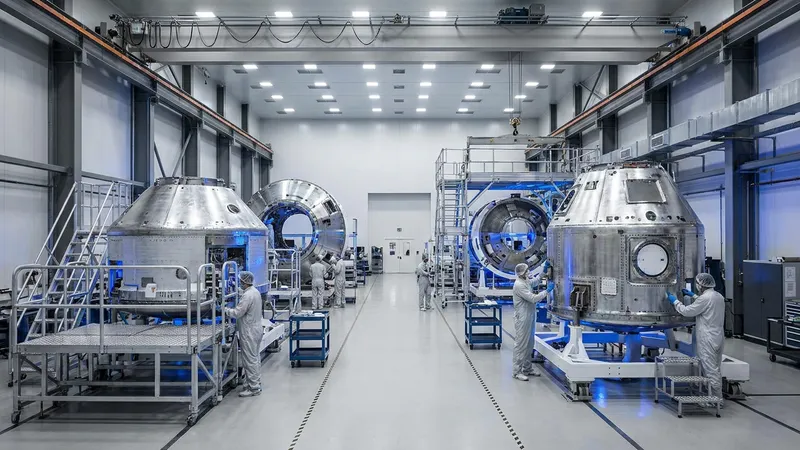
NASA has increased the maximum value of its Commercial Lunar Payload Services (CLPS) contract from $2. 6 billion to $4.2 billion. This adjustment supports a planned increase in robotic lunar lander missions.
The contract, which includes 13 eligible companies, expires in 2028. A follow-on contract, CLPS 2.0, is currently in development.
This increase suggests NASA intends to award more missions or missions of higher value within the next two years. The agency aims for a higher cadence of lunar landings, potentially reaching monthly missions, to support its lunar base objectives.
Industry representatives indicate they can scale production, but the rapid increase in projected flight rates, including nine landings in 2027 and ten in 2028, presents supply chain and standardization challenges. The shift towards standardized, build-to-print landers is being considered to meet the increased demand.