NAR reports pending home sales up 3.8% despite rates
Pending home sales rose 3.8% in May to 76.8, beating forecasts and pointing to renewed buyer activity despite mortgage rates above 6%.
Atlas Newsdesk ·
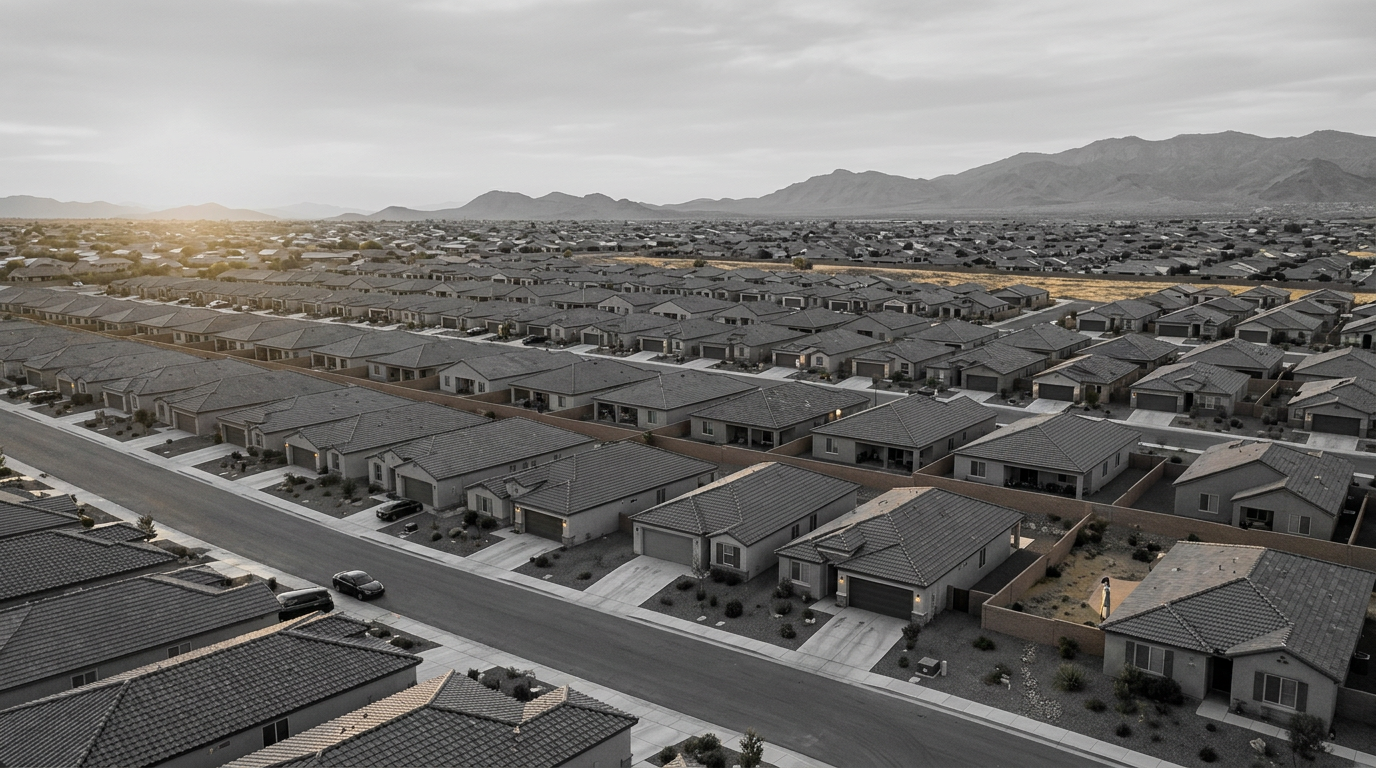
Pending home sales climbed 3.8% in May, beating expectations and signaling renewed momentum in U.S. housing demand despite borrowing costs staying elevated.
The National Association of Realtors (NAR) reported Wednesday that its Pending Home Sales Index reached 76.8, a measure based on signed contracts that typically precede completed purchases.
Economists surveyed by The Wall Street Journal had anticipated a smaller move, projecting a 1% monthly increase. The larger-than-expected gain suggests more buyers moved from browsing to signing agreements as spring progressed.
Index rises above forecasts, pointing to stronger demand
NAR’s index is treated as a leading gauge because it tracks contract signings rather than closings. A higher reading indicates more properties are moving into the pipeline, though final sales depend on financing, inspections, and other contingencies.
The May reading of 76.8 remains below levels typically associated with a more balanced market, reflecting the still-constrained environment shaped by affordability pressures. Even so, the month-to-month increase was notable for arriving without a reported decline in mortgage rates.
NAR Chief Economist Lawrence Yun attributed the uptick to a seasonal acceleration in buyer activity. He described it as a “late spring buyer rush” that indicates pent-up demand and growing consumer acceptance of mortgage rates above 6%.
Regional gains led by the Northeast and Midwest
The rebound was not limited to a single part of the country, with all four major regions posting increases from April. The strongest growth occurred in the Northeast, where pending sales advanced 8.7% over the month.
The Midwest followed closely, recording an 8.1% increase in contract signings. The South, the nation’s largest region by housing activity, posted a more modest 1% gain.
The West also edged higher, with pending sales rising 0.7% from the prior month. Taken together, the regional pattern points to broad-based improvement, though the pace varied significantly.
What the May surge could mean for summer closings
Because pending home sales are based on signed contracts, the May rise may translate into higher completed sales in the near term. However, the index reflects intent rather than final outcomes, meaning shifts in financing conditions or deal-specific issues can still affect closings.
Yun’s comments highlight a key dynamic for 2026 housing activity: some consumers may be adjusting to a higher-rate environment rather than waiting for a rapid decline in borrowing costs. If that mindset spreads, demand could prove more resilient even when affordability remains stretched.
The next steps for market watchers are to compare coming existing-home sales reports with the May pipeline and to monitor whether regional strength persists. Continued gains in pending readings would reinforce the view that sidelined buyers are returning, while any pullback could indicate that higher mortgage rates are still constraining follow-through.