AI Demand Drives Urgent Grid Modernization Efforts
Surging AI demand from data centers is compelling companies and regulators to explore unconventional solutions for the strained U.S. electricity grid.
Mateo Fernandez ·
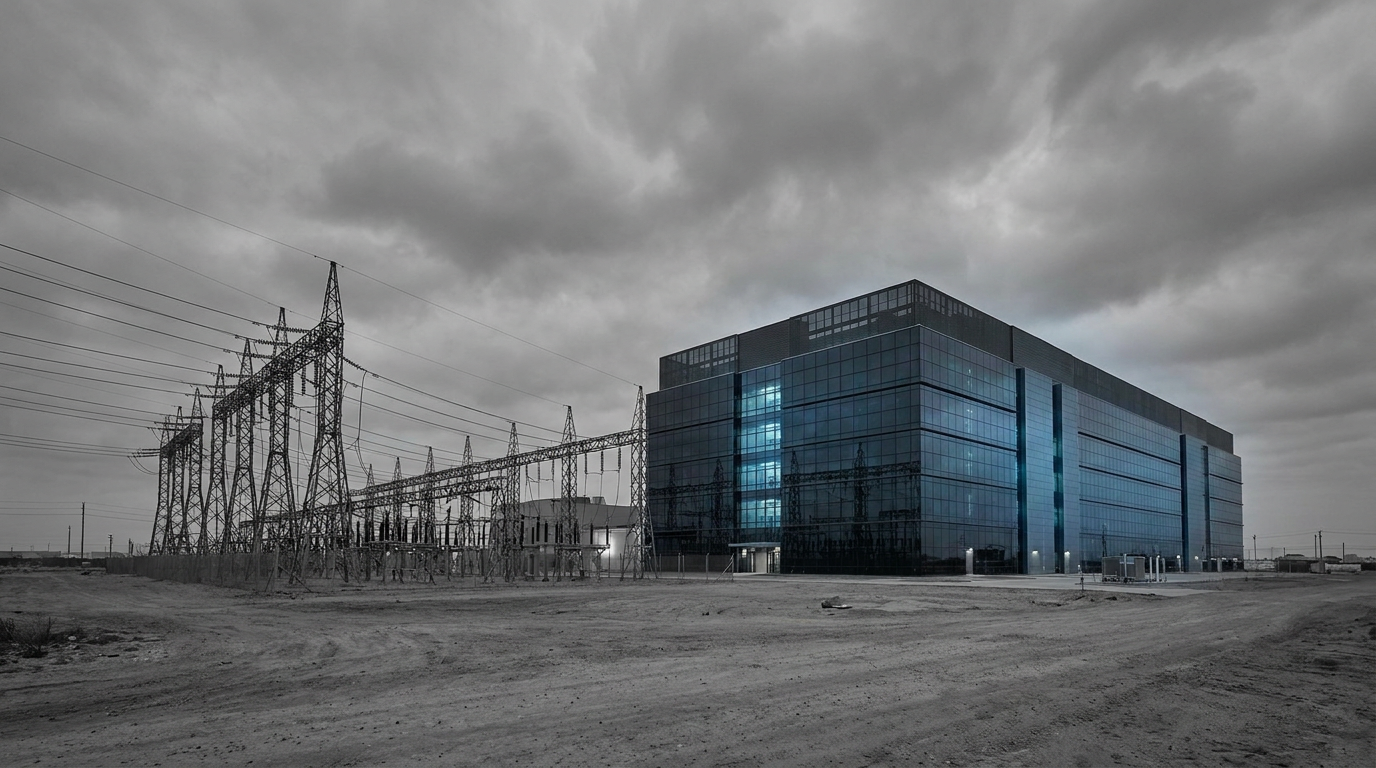
The United States faces burgeoning electricity demand, primarily driven by the rapid expansion of Artificial Intelligence (AI) data centers. This escalating need is forcing both corporations and regulatory bodies to consider innovative, and at times assertive, strategies to bolster the nation's power infrastructure.
Federal officials have indicated a potential readiness to restructure the largest electric grid operator in the country. This consideration stems from concerns over increasing energy costs and the grid's inability to adequately scale with current demand trajectories.
Grid Strain Spurs Unconventional Solutions
The imperative to maintain the U.S. competitive edge in AI development is catalyzing a shift in energy policy. Regulators are expressing a strong commitment to implement proactive measures, signaling a departure from traditional approaches to grid management.
In a notable development, Google recently entered into a pioneering agreement with a “virtual power plant” startup. This collaboration represents a new frontier in how large tech companies are addressing their substantial energy requirements.
Innovative Partnerships Address Power Deficit
Under this novel arrangement, Google will financially support a program designed to engage households and businesses within specific areas of the national grid. Participants will receive incentives to reduce their electricity consumption during peak demand periods.
This demand-side management strategy aims to liberate approximately 100 megawatts (MW) of power, effectively creating additional capacity without the need for new generation facilities. The initiative underscores a growing trend toward decentralized energy solutions.
Future Implications for Energy Infrastructure
The increasing energy footprint of AI data centers necessitates a re-evaluation of national energy resilience and planning. These developments highlight the critical need for significant investment and strategic innovation in the country's power infrastructure.
Further, such partnerships could establish precedents for how technology giants engage with and contribute to grid stability. The success of these pilot programs will be closely watched as the nation grapples with integrating advanced computational needs into existing energy frameworks.