Mumbai issues orange alert as monsoon deaths fuel backlash over civic lapses
India’s weather office put Mumbai under an Orange Alert as heavy monsoon rain flooded roads, snarled traffic, and left two people dead, intensifying scrutiny…
Mei Lin ·
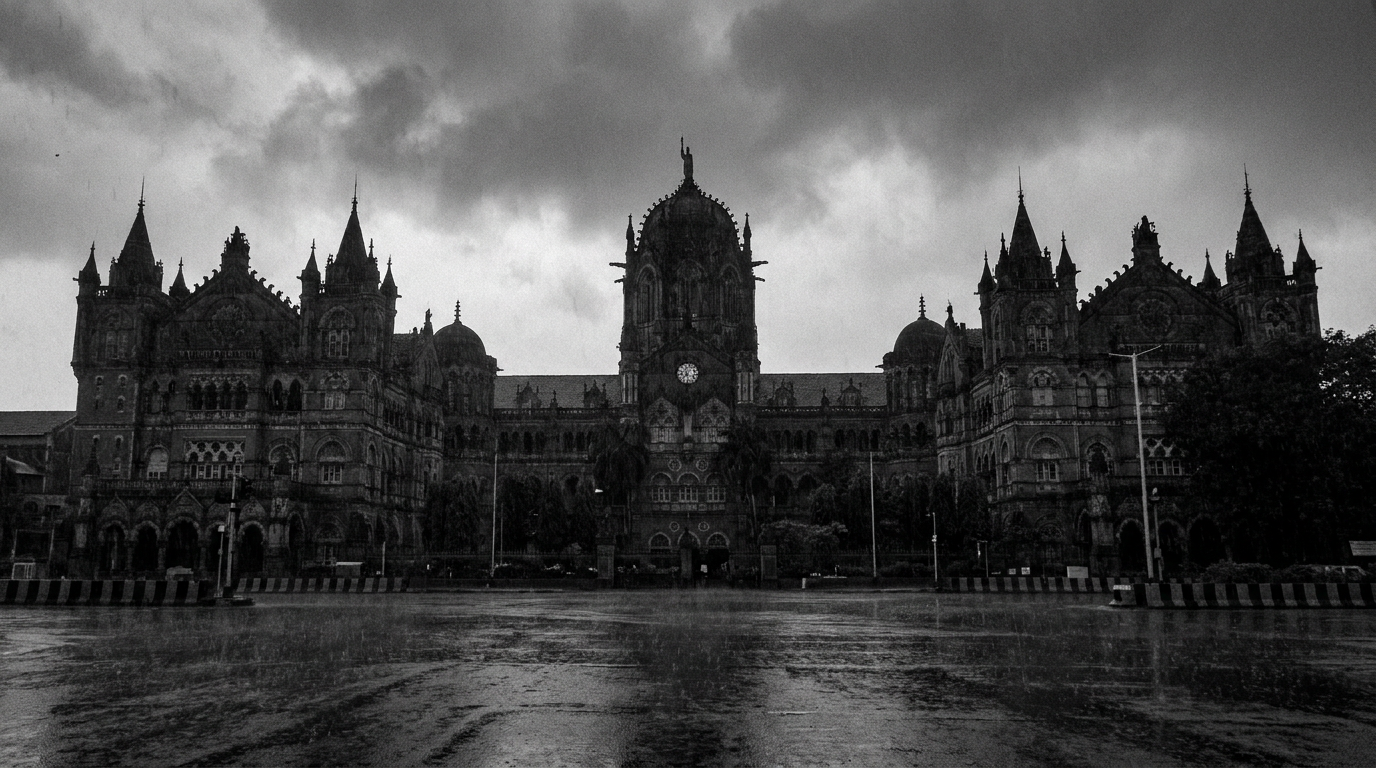
# Mumbai issues orange alert as monsoon deaths fuel backlash over civic lapses
Mumbai’s monsoon emergency escalated after the India Meteorological Department (IMD) issued an Orange Alert for the city, warning of heavy rainfall and associated hazards. The downpour triggered widespread waterlogging and traffic disruption, and local reports described two fatalities that quickly turned into a political flashpoint over civic maintenance.
India Meteorological Department
The deaths cited in the report included a student in a school bus accident and a man who fell into an open manhole, incidents that critics framed as preventable. The report said the events prompted public anger and accusations of negligence tied to city infrastructure.
Mumbai’s June–September monsoon routinely stress-tests the city’s drainage and road network, particularly in low-lying areas where intense cloudbursts can overwhelm stormwater systems. The IMD’s color-coded warning system is used across India to communicate escalating risk; an Orange Alert generally signals the need for heightened readiness and potential disruption from heavy rain.
Civic resilience in India’s financial capital is a recurring policy debate that typically pits municipal agencies against opposition parties and citizen groups after flooding, road cave-ins, or manhole accidents. While the report focuses on Mumbai, similar monsoon-linked infrastructure failures are common across large Indian metros where rapid urban growth has outpaced upgrades to drainage, road surfacing, and pedestrian safety measures.
Mumbai is a critical node for India’s services
Mumbai is a critical node for India’s services economy and domestic logistics, and even short-lived flooding can ripple into missed shifts, delayed deliveries, and disrupted commuter rail and road traffic. When heavy rain coincides with peak commuting hours, the city’s productivity hit can be immediate, and pressure rises on municipal bodies to show visible, near-term fixes rather than post-monsoon inquiries.
The political blowback described in the report also matters beyond the city: recurring monsoon casualties shape how Indian states prioritize urban capex, emergency response coordination, and public-safety enforcement. For global businesses with offices and supply links in the Mumbai region, intense rainfall episodes can become an operational risk, affecting employee mobility and last-mile movement even when ports and airports remain functional.
Watch whether the Brihanmumbai Municipal Corporation (BMC) announces and documents immediate safety actions tied to the hazards described, particularly securing manholes and publishing drainage or waterlogging response updates, before 2026-07-10; if measurable steps are taken and repeat incidents fall, the civic-negligence narrative may cool, but if additional fatalities or repeat manhole accidents are reported under continued heavy-rain warnings, political pressure and demands for accountability are likely to intensify.