More than 70 UK councils failed to issue single fine for littering last year
Over 70 UK councils issued no littering fines last year, indicating a significant decline in environmental enforcement against waste offenses.
Cuneyd Erdogan ·
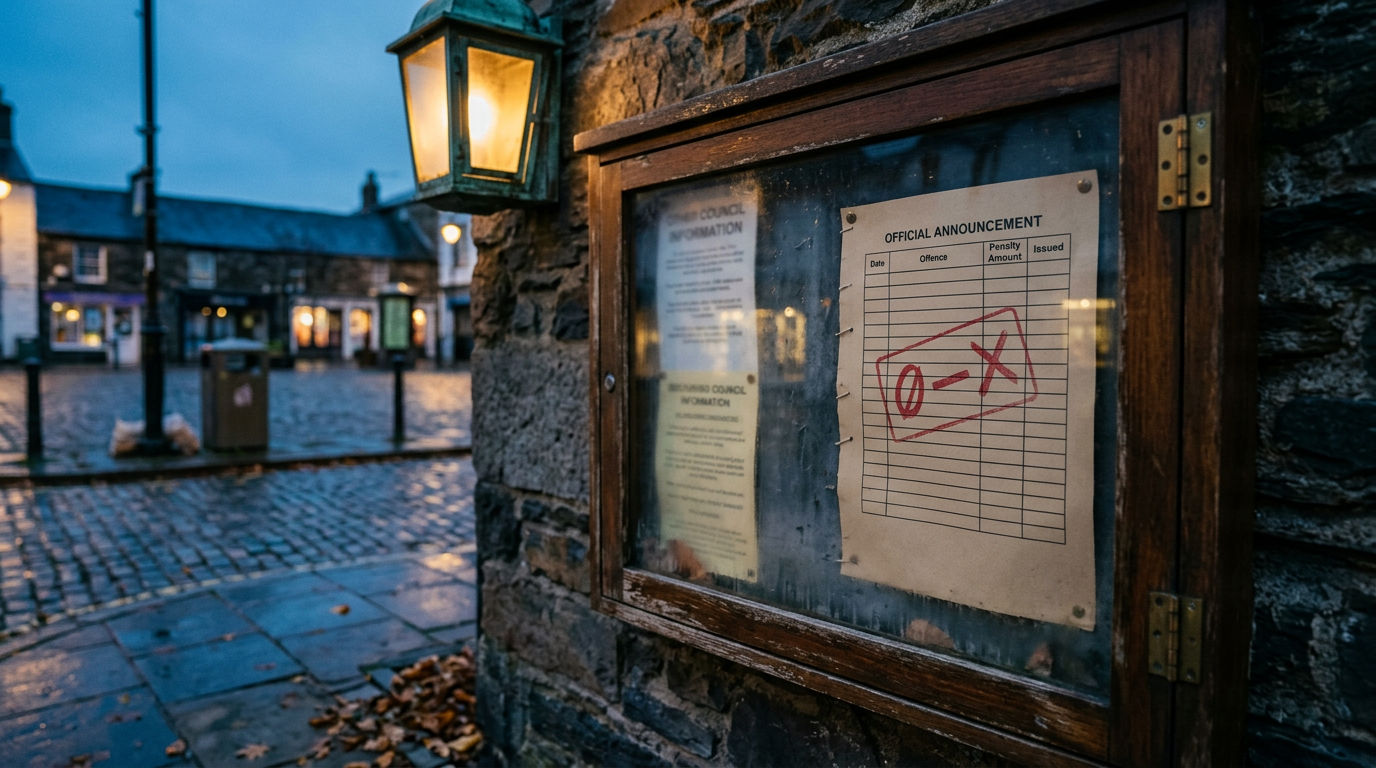
Over 70 local authorities across the United Kingdom did not issue a single fine for littering during the past year, signaling a notable decrease in environmental enforcement. This trend, revealed through Freedom of Information requests by the Clean Up Britain campaign, highlights a broader decline in penalties for both littering and fly-tipping offenses.
Specifically, 71 councils reported issuing no littering fines whatsoever. An additional 67 councils issued fewer than ten fines, indicating a widespread reduction in enforcement activity across the country. This contrasts significantly with other areas of local authority enforcement, such as parking.
Enforcement Disparity and Revenue
Parking enforcement generated substantial revenue, with 300 councils collecting £867 million. In stark contrast, approximately 200,000 fixed-penalty notices (FPNs) for littering yielded less than £48 million. The average littering fine issued stood at £192, according to the data.
Eighteen councils, including Southend-on-Sea, explicitly confirmed they do not have a policy in place for fining individuals who litter. This absence of formal policy contributes to the overall decline in enforcement actions.
Fly-Tipping Enforcement Challenges
The lack of enforcement extends beyond general littering to the more serious offense of fly-tipping. Despite 77,000 reported fly-tipping incidents, only 26,000 FPNs were issued. Approximately half of these FPNs were paid, resulting in £8.5 million collected, while £9.3 million in potential revenue was lost.
The Local Government Association (LGA) has pointed out that court-imposed fines for fly-tipping average £539. This figure is £87 lower than the average council-issued FPN of £626, potentially diminishing the deterrent effect. Councils incur over £19.3 million annually for the clearance of illegally dumped waste, further straining local budgets.
Background and Public Impact
Littering and fly-tipping are persistent environmental issues in the UK, impacting public spaces, natural habitats, and local economies. The observed decline in enforcement raises questions about the effectiveness of current strategies to combat these problems. Public campaigns often emphasize individual responsibility, but consistent enforcement is also considered a crucial component of deterrence.
Local authorities face various pressures, including budget constraints and competing priorities, which may influence their enforcement decisions. The disparity between parking fine revenues and environmental offense penalties suggests a strategic focus that prioritizes certain types of infractions over others. This trend could lead to increased public dissatisfaction with the cleanliness of local areas and greater environmental degradation if not addressed.
Implications
Country Impact: The widespread reduction in environmental enforcement across the UK could lead to increased littering and fly-tipping, impacting public health, local aesthetics, and environmental quality. This trend may also signal a shift in local government priorities and resource allocation.
Industry Impact: Waste management and recycling industries may face increased pressure due to higher volumes of illegally dumped waste, potentially leading to higher operational costs for cleanup and disposal. Public services responsible for maintaining cleanliness could see their budgets strained further.
Market Impact: While direct market impact is limited, a decline in environmental quality could indirectly affect local tourism and property values in affected areas. The disparity in enforcement revenue between parking and environmental offenses highlights differing financial incentives for local authorities.