Russian Discontent Rises as Ukraine War Drags On
Russian discontent is rising as the Ukraine war enters its second year, with economic strain and tighter internet controls worsening public mood.
Lauren Collins ·
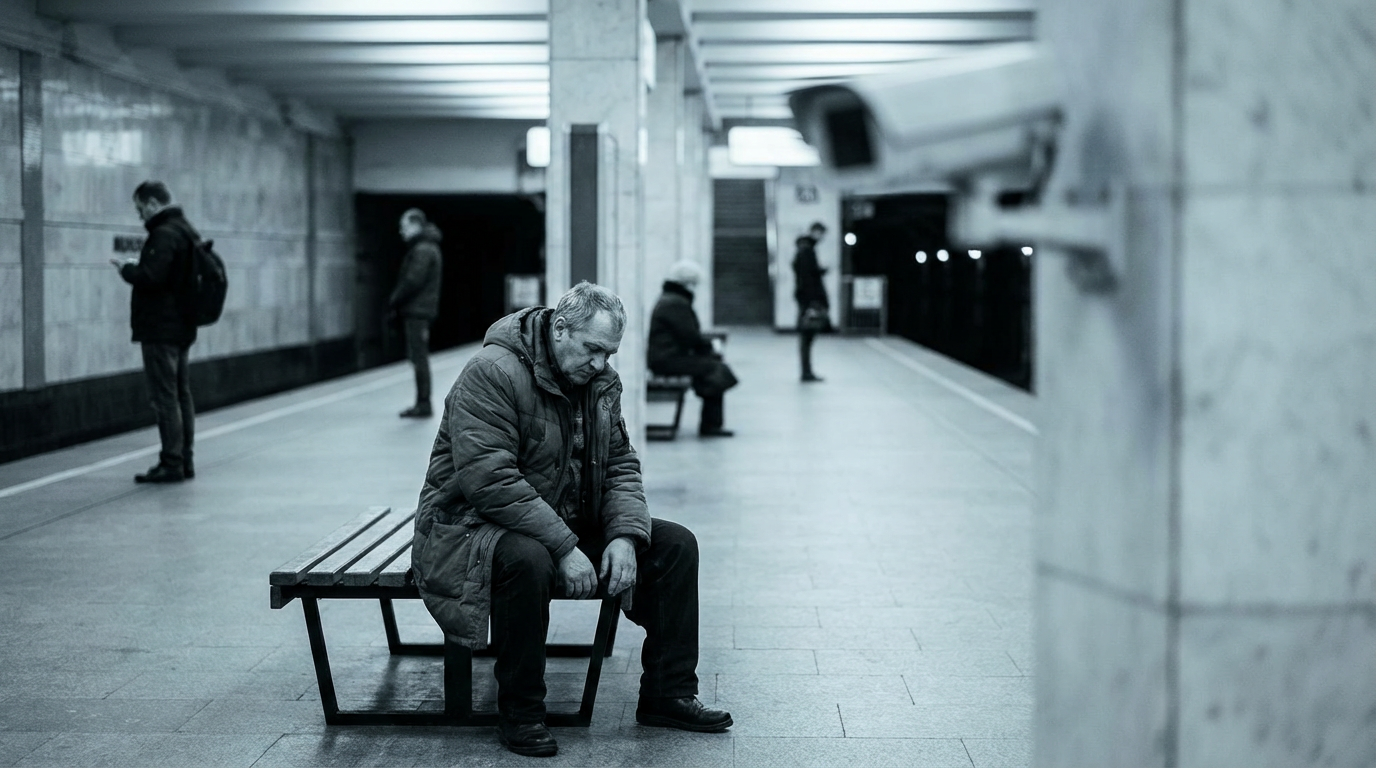
Public dissatisfaction is rising across Russia as the conflict in Ukraine continues, with pressure building from economic strain and tighter state restrictions on internet access. The shift in public mood is being described as an expanding challenge for President Vladimir Putin’s administration as the war moves into its second year.
The source material links the worsening sentiment to the prolonged military engagement in Ukraine and its effects on the national economy. It says the extended conflict has contributed to economic stress inside Russia, adding to the domestic burden of a war that has not ended quickly. Alongside these economic pressures, the government has also moved to impose stricter controls on how people use the internet.
Those internet measures are presented as a second driver of discontent, with reduced online freedoms adding to frustration already tied to economic difficulties. The combined effect, according to the source, is a deteriorating public mood that is becoming more critical of government policies and of the ongoing conflict itself. The account frames this as a confluence of factors rather than a single trigger, with economic conditions and information access reinforcing each other.
In practical terms, the developments described point to a more complicated domestic environment for the current leadership. The source indicates that the longer the war continues, the more the economic and social pressures can accumulate, while restrictions on internet access can further intensify dissatisfaction. It also notes that these dynamics are contributing to a more openly critical public sentiment toward the government’s approach.
What remains uncertain in the source material is how quickly these shifts in public mood could translate into measurable changes in domestic stability or public support. The account does not provide specific polling figures, timelines for policy changes, or details on the scope of the internet restrictions, but it characterizes the overall direction as negative for public sentiment.
It also suggests the situation carries potential long-term implications for domestic stability and for continued support of the current leadership.