Mideast Tensions Threaten UK Medical Supplies
Iran conflict strains NHS supply chains, lifting costs for petrochemical-based medical goods and raising late May shortage concerns.
Lauren Collins ·
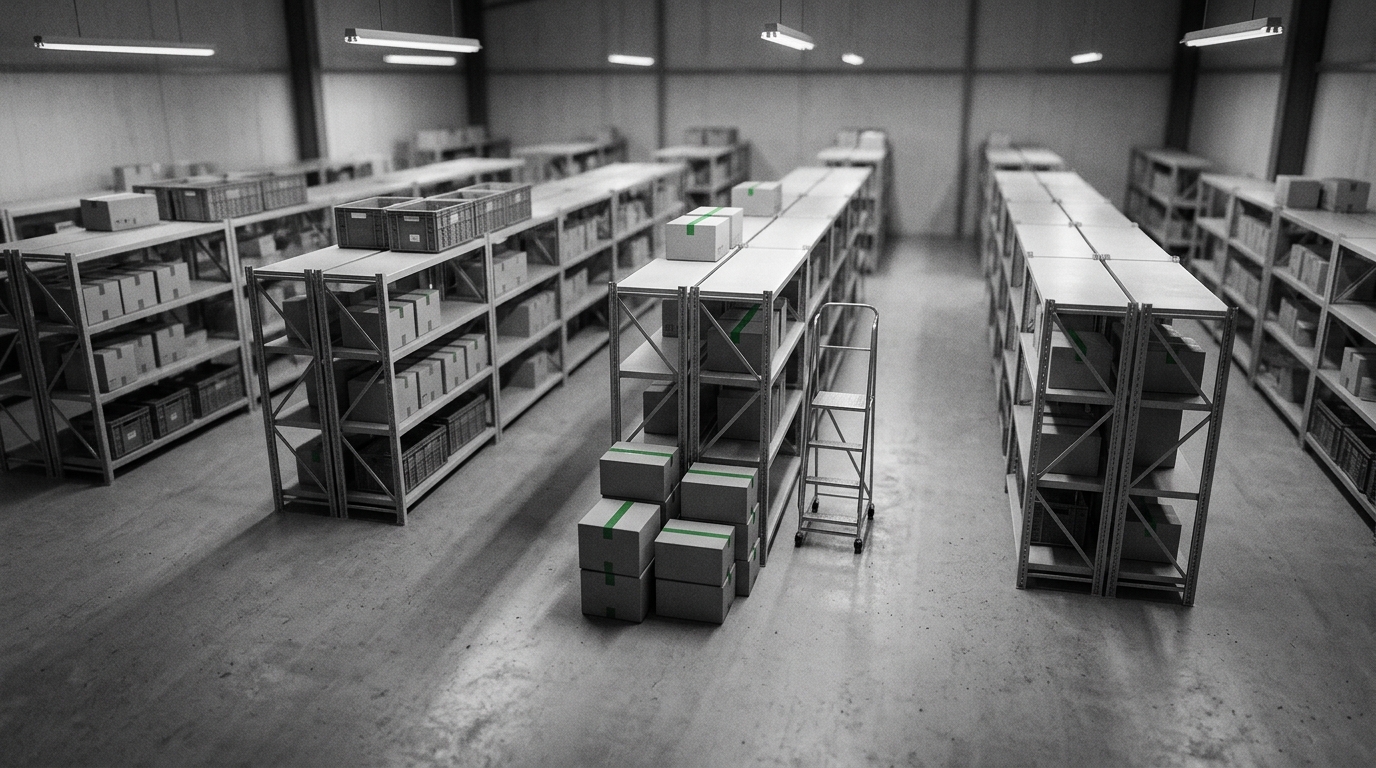
Supply disruptions linked to the ongoing conflict in Iran are raising concerns about shortages and higher costs for the UK’s National Health Service (NHS), as shipping in the Gulf region has faced standstills that ripple through global logistics. Officials and industry participants have pointed to interruptions across both sea routes and air freight, complicating the movement of critical healthcare goods and inputs.
The pressure is concentrated on products tied to petrochemicals that underpin modern healthcare manufacturing. These include syringes, intravenous bags, gloves, and active pharmaceutical ingredients, all of which rely on petrochemical-derived materials or feedstocks. With transport routes disrupted and input costs rising, procurement teams face a tighter market for items that are typically ordered continuously and at scale.
The NHS is exposed because of its purchasing footprint. The health system spends £8 billion a year on equipment and consumables and £21.6 billion on medicines in 2024-25, making it one of the world’s largest healthcare buyers. When supply chains tighten, even modest price moves can translate into significant budget pressure across a system that depends on predictable deliveries for routine care.
Cost increases are being reinforced by higher naphtha prices, a petrochemical byproduct used across manufacturing chains. One example cited in the market is synthetic rubber gloves: the average price for a box of 1,000 has risen by 40% to $29. If the current disruptions continue, suppliers have warned that shortages could emerge by late May, adding urgency for hospitals and distributors managing day-to-day inventory.
In response, NHS England has moved to increase purchases of drugs and devices to build buffer stocks. The aim is to reduce immediate exposure to delivery delays and price spikes by holding more inventory than usual. However, the effectiveness of stockpiling depends on how long disruptions persist and whether transport constraints ease or intensify.
Risks remain tied to the duration of the conflict and the possibility of damage to energy infrastructure in the Strait of Hormuz, a key corridor for energy and petrochemical flows. A prolonged disruption could further tighten availability of petrochemical-linked materials and raise costs for manufacturers and shippers. Experts have said the NHS may need to use single-use items more conservatively and prepare drugs only as needed to limit waste and stretch supplies while pressures remain.
For global markets, the situation underscores how geopolitical shocks in the Gulf can quickly affect healthcare supply chains far beyond the region. For the NHS, the near-term focus is maintaining continuity of care while managing higher procurement costs and the operational challenge of securing essential items in a disrupted logistics environment.