Mali Rocked by Coordinated Attacks in Capital, Four Cities
Mali saw coordinated attacks on Saturday across Bamako and four other cities, with JNIM claiming joint action with Tuareg separatists.
Lauren Collins ·
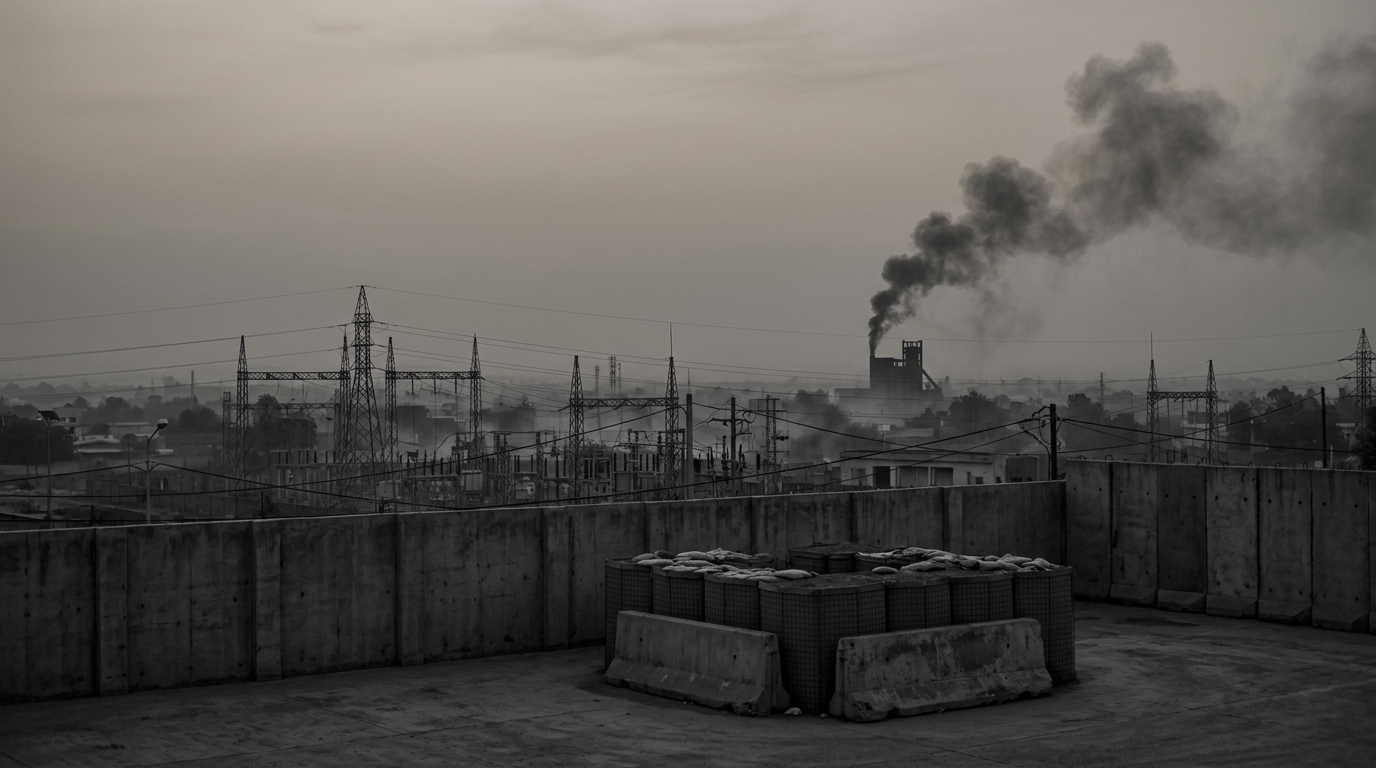
Mali faced a wave of coordinated assaults on Saturday , as militant and separatist groups struck military bases and key infrastructure in the capital, Bamako, and four other cities. The al-Qaida-linked group JNIM said it carried out the operation and described it as a joint action with the Azawad Liberation Front, a Tuareg-led separatist organization.
The attacks were described as among the largest coordinated incidents in Mali in recent years. Targets included Modibo Keïta International Airport, military installations in Kati, and locations in central and northern Mali, including Sevare, Mopti, Kidal, and Gao. Residents and an Associated Press journalist reported sustained gunfire and explosions, with particularly intense activity around Bamako’s airport and Kati.
According to accounts from the ground, the assaults involved heavy weapons and automatic rifle fire, alongside explosions near major military sites. Kati is home to Mali’s main military base and the residence of the junta leader, Gen. Assimi Goita, making it a focal point of attention as reports of fighting emerged. The residence of Mali’s defense minister, Sadio Camara, was reportedly damaged.
The Malian army acknowledged the attacks, saying “unidentified armed terrorist groups targeted certain locations and barracks.” It later said the situation was under control. At the same time, reports from residents and the Associated Press journalist indicated that exchanges of fire and blasts continued for a period, underscoring uncertainty over the immediate operational picture as the events unfolded.
The claim of joint action by JNIM and the Azawad Liberation Front drew attention because it suggests coordination between Islamist militants and Tuareg separatists. The source material notes that this alignment echoes events from 2012, when similar groups overran northern Mali. The latest attacks, spanning the capital and multiple towns, also highlighted the geographic breadth of Mali’s security pressures, from Bamako to central and northern areas.
The developments come as Mali, along with Niger and Burkina Faso, has faced a worsening security situation. The source material states that military juntas in these countries have shifted alliances away from Western partners and toward Russia as they seek to combat Islamic militants.
Saturday’s attacks underscored the continuing challenge for Mali’s authorities in stabilizing the country amid insurgent and separatist movements, while key details such as the full extent of damage and casualties were not provided in the source material.