Viktor Orbán Forgoes Parliament Seat After Major Defeat
Viktor Orbán said he will not take his parliament seat after Fidesz’s April 12 defeat, as Péter Magyar’s Tisza takes a supermajority.
Lauren Collins ·
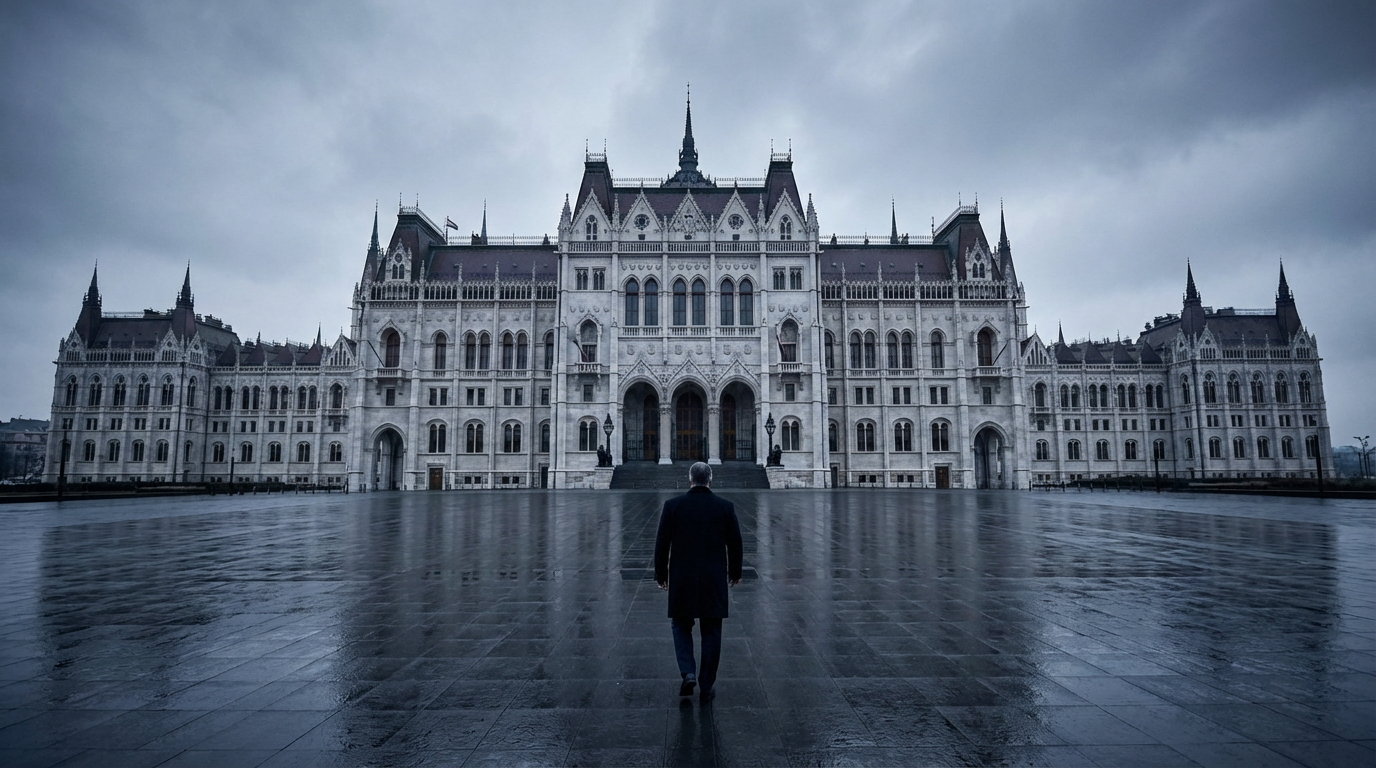
Hungary’s long-time leader Viktor Orbán said he will not take up his designated seat in parliament, announcing in a video statement that he will return the mandate he won through Fidesz’s proportional representation list. Orbán has held a seat in Hungary’s parliament continuously since 1990. He said his work is now needed to reorganize what he called the “patriotic movement” from outside the legislature.
The decision follows the April 12 election, which delivered a decisive victory to the opposition Tisza party led by former Fidesz insider Péter Magyar. Tisza won a constitutional supermajority, taking over two-thirds of the seats in the 199-member parliament. The result ended Orbán’s 16-year tenure as prime minister and reshaped a political landscape he had influenced for decades.
Fidesz’s representation fell sharply, dropping from 135 seats to 52. The source material links the shift in voter sentiment to public discontent tied to corruption allegations, cronyism, and declining living standards. Orbán, 62, framed his next steps as political reorganization rather than parliamentary work.
Orbán also named Gergely Gulyás, his former chief of staff, to lead the reduced Fidesz parliamentary group starting Monday. The longer-term question of Orbán’s leadership within Fidesz remains unresolved, with a party conference scheduled for June set to determine his future role. Orbán has said he intends to continue shaping the nationalist movement he has led for more than three decades.
Incoming Prime Minister Péter Magyar has called for a swift and orderly transfer of power. The new parliament is due to hold its inaugural session on May 9, which will formally open the next phase of governance. Magyar’s platform includes reversing key Orbán-era policies, including restoring judicial independence, addressing systemic corruption, and restructuring the education and healthcare systems.
Magyar has also pledged to dismantle the patronage system known as NER, which the source material says allegedly enriched party loyalists. During the campaign, Tisza supporters frequently chanted “Russians go home,” and Magyar said he wants more constructive relations with Brussels and to be a reliable partner for Ukraine, ending years of obstruction within the European Union.
For markets and international stakeholders, the immediate timeline centers on May 9 and the early actions enabled by Tisza’s constitutional supermajority. At the same time, uncertainty remains around how Orbán will position himself outside parliament and what the June Fidesz conference will decide about his formal role in the party.