Iran Names Mojtaba Khamenei Supreme Leader Amid Strikes
Mojtaba Khamenei was named Iran's Supreme Leader on March 8, following reported strikes and his father's death, amid heightened regional tensions.
Lauren Collins ·
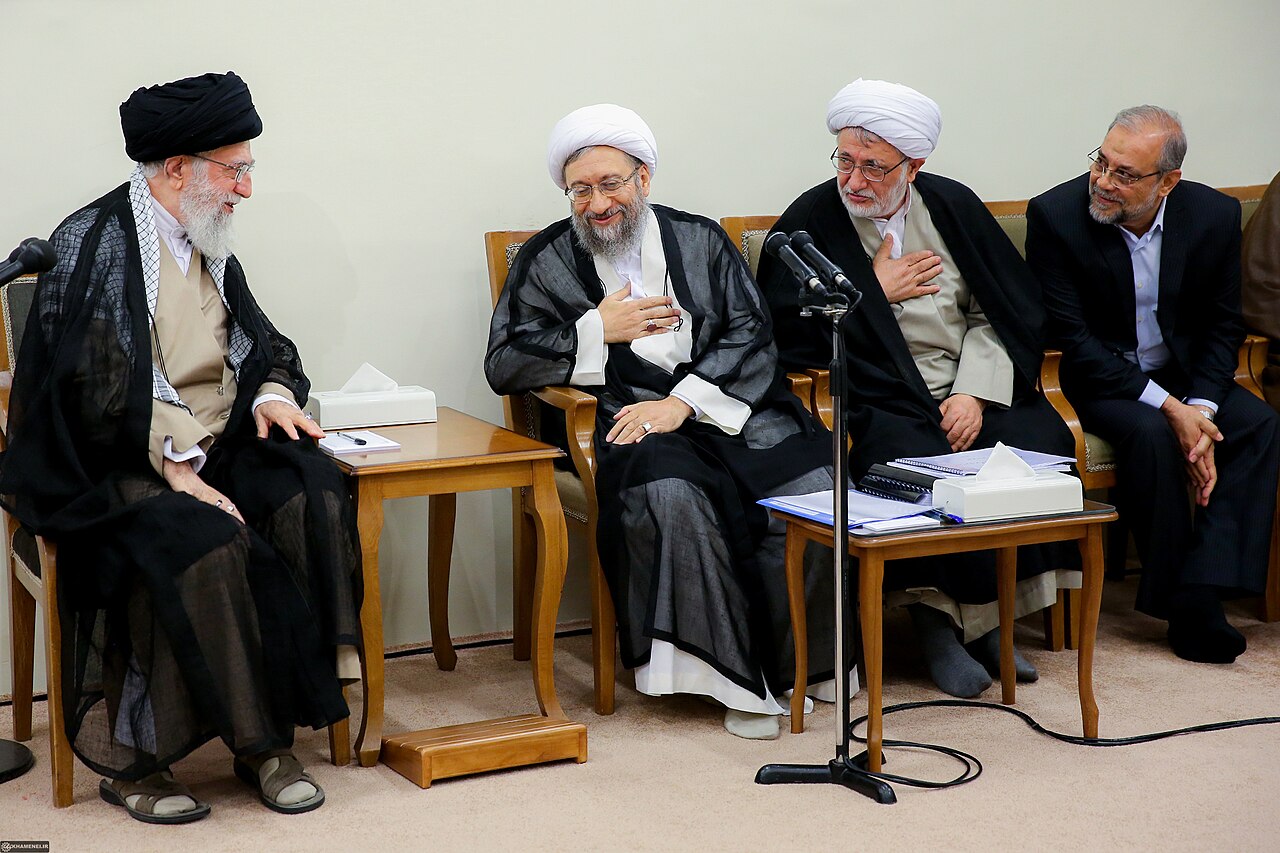
Mojtaba Khamenei, son of the late Supreme Leader Ali Khamenei, has been appointed as Iran's third Supreme Leader. This elevation occurred on March 8, following a period of heightened regional tensions and reported strikes on February 28 that allegedly injured him and resulted in his father's death. The succession took place under what Iranian authorities have described as emergency wartime conditions.
This leadership transition follows retaliatory actions by Tehran against Israeli and U.S. targets, which were initiated after alleged U.S. and Israeli strikes within Iran. The confirmation of Mojtaba Khamenei's injury and subsequent rapid ascent by Iranian officials came after initial reports from Israeli and American sources.
IRGC Influence on Succession
The appointment of Mojtaba Khamenei appears to deviate from traditional constitutional procedures for selecting a Supreme Leader. This suggests a significant role for the Islamic Revolutionary Guard Corps (IRGC) in consolidating power during this critical period. His clerical rank is hojatoleslam, which is generally considered lower than the ayatollah status typically associated with the Supreme Leader position.
Despite this, Mojtaba Khamenei has cultivated influence within his father's office for two decades and maintains strong connections with IRGC commanders. His elevation is widely interpreted as a decision driven by military backing rather than a selection based on theological standing or his father's alleged wishes, which reportedly advised against his sons' succession.
Shifting Political Dynamics
This development underscores the IRGC's increasing capacity to influence and potentially override constitutional, clerical, and dynastic considerations in the selection of Iran's highest authority. The circumstances surrounding Mojtaba Khamenei's rise indicate a potential consolidation of power by the IRGC, positioning him as a central figurehead.
Such a shift could significantly define Iran's future political trajectory, potentially leading to a more militarized or IRGC-dominated governance structure. The rapid nature of the succession, coupled with the ongoing regional instability, highlights the immediate challenges facing the new leadership and the broader implications for regional security and international relations.
Regional Implications and Outlook
The change in Iran's leadership comes at a time of elevated geopolitical tensions in the Middle East. The reported strikes and subsequent retaliatory actions have intensified concerns about broader regional conflict. The new Supreme Leader's stance on these issues, and his relationship with the IRGC, will be closely watched by international observers.
Analysts suggest that the IRGC's prominent role in this succession could lead to more assertive foreign policy decisions and a continued focus on regional influence. The internal dynamics within Iran, particularly the balance of power between clerical institutions and the military, will be crucial in shaping the country's domestic and international policies moving forward.
Implications
Country Impact: The succession suggests a significant shift in Iran's internal power dynamics, with the Islamic Revolutionary Guard Corps (IRGC) potentially gaining greater influence over political and religious institutions. This could lead to a more centralized and militarily-backed leadership, impacting domestic policy and governance.
Industry Impact: The political uncertainty surrounding the leadership transition and the IRGC's increased role could affect key sectors, particularly the energy industry, due to potential shifts in foreign policy and international sanctions. Defense and security industries may see increased activity and resource allocation.
Market Impact: Global markets may react to increased geopolitical risk in the Middle East, potentially impacting oil prices and investor confidence in the region. The stability of the Iranian political system under the new leadership will be a key factor for market sentiment and regional investment flows.