Trump Affirms Iran's 2026 World Cup Participation
Former U.S. President Donald Trump affirmed Iran's participation in the 2026 FIFA World Cup, announced by FIFA President Gianni Infantino on March 11, 2026.
Lauren Collins ·
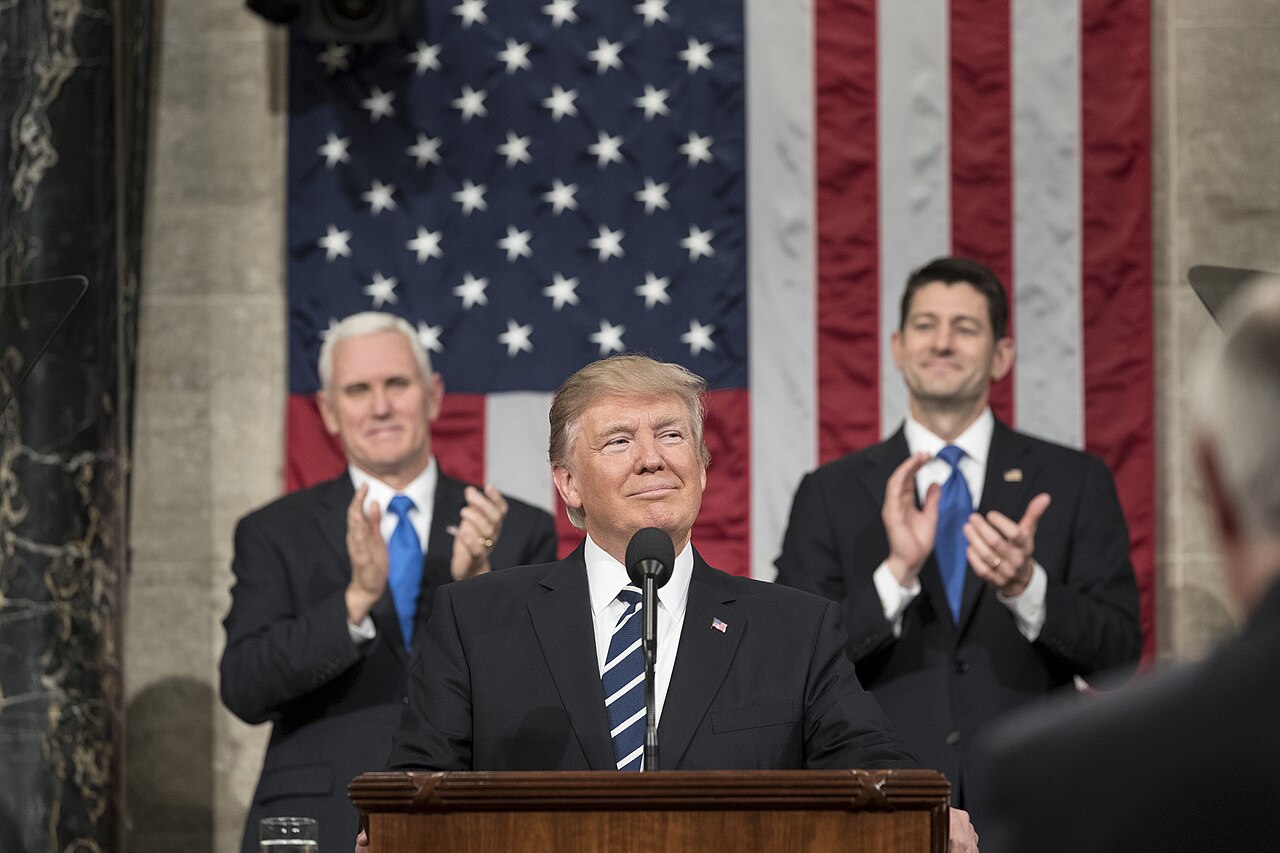
Former U.S. President Donald Trump has confirmed Iran's participation in the 2026 FIFA World Cup, co-hosted by the United States, Mexico, and Canada. This affirmation was announced by FIFA President Gianni Infantino on March 11, 2026, following discussions in Washington, D.C., regarding the tournament's preparations.
The confirmation comes amidst heightened geopolitical tensions, including recent U.S.-Israeli military actions targeting Iran. Despite these developments, Trump reportedly assured Infantino that the Iranian national team is welcome to compete. This stance is significant given the ongoing regional instability and previous uncertainties surrounding Iran's involvement.
Tournament Logistics and Geopolitical Context
Iran's inclusion in the 2026 World Cup had been a subject of speculation, particularly after the nation was notably absent from a FIFA planning summit held in Atlanta. All of Iran's group stage matches are currently scheduled to occur within the United States, with two games planned for Los Angeles and one in Seattle.
FIFA's World Cup Chief Operating Officer, Heimo Schirgi, emphasized that the tournament is too substantial to be postponed due to global unrest. Schirgi indicated that FIFA is continuously monitoring the international situation, underscoring the organization's commitment to proceeding with the event as planned.
FIFA's Stance on Host Nation Obligations
FIFA maintains a firm policy regarding host nations' obligations to welcome all participating teams. A precedent was established in 2023 when Indonesia was stripped of its hosting rights for the men's Under-20 World Cup after refusing to accommodate Israel. This historical context suggests that a similar refusal by the U.S. to host the Iranian team could lead to severe repercussions for its hosting status.
Concerns about Iran's participation were also voiced by Mehdi Taj, head of the Iranian Football Federation, who previously expressed doubts following player defections during the Asian Cup. The current geopolitical climate, marked by recent U.S.-Israeli attacks on Iran that reportedly resulted in significant casualties, further complicates the backdrop against which this tournament will take place.
Broader Implications for International Sports
The decision to proceed with Iran's participation highlights the complex interplay between international sports and global politics. FIFA's commitment to separating athletic competition from political disputes is being tested by the current geopolitical environment. The 2026 World Cup, involving 48 teams across 16 cities in three North American countries, represents a massive logistical and diplomatic undertaking.
The tournament's ability to proceed smoothly, particularly with the inclusion of nations involved in international conflicts, will be a key indicator of sports' role in fostering global engagement despite political differences. The focus remains on ensuring the safety and security of all participants and attendees, while upholding the principles of fair play and universal participation.
Implications
Country Impact: The U.S. decision to host Iran despite geopolitical tensions could signal a commitment to separating sports from politics, potentially influencing future diplomatic engagements. However, it also risks domestic political backlash given the recent conflicts.
Industry Impact: The sports industry, particularly international federations like FIFA, faces ongoing challenges in navigating geopolitical conflicts. This situation reinforces the precedent that host nations must accommodate all qualified teams, impacting future bidding processes and contractual agreements.
Market Impact: While direct market impact is limited, the successful staging of such a high-profile event amidst global tensions could provide a minor boost to tourism and related service sectors in host cities. Any disruption, however, could lead to significant financial losses for organizers and sponsors.