Windows 11 Taskbar Gains AI Agents
Microsoft adds AI agents to the Windows 11 taskbar via new Release Preview builds dated April 17, 2026, enabling cross-app actions.
Jason Kwon ·
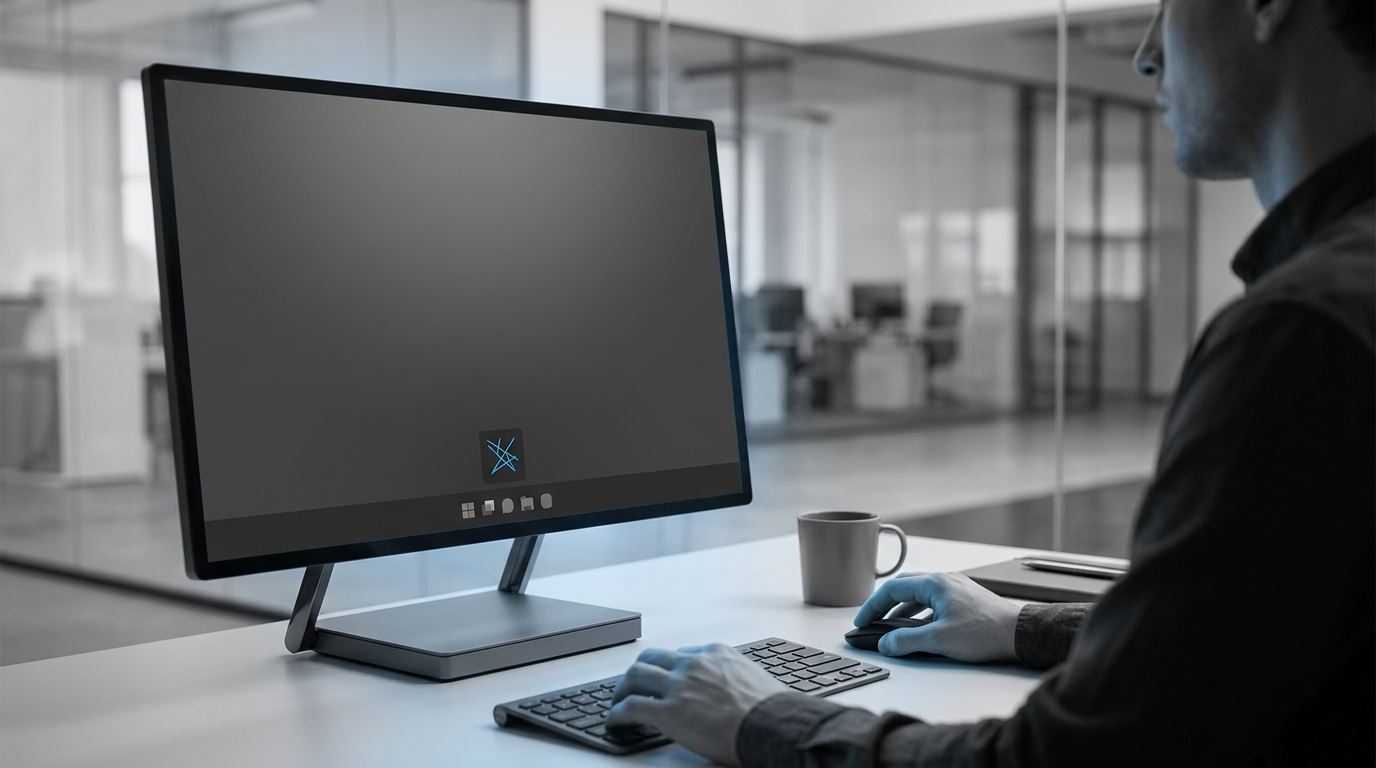
Microsoft is beginning a rollout that places AI Agents directly on the Windows 11 taskbar, expanding how AI features can operate inside the operating system rather than only within individual apps. The company released Windows 11 builds 26100.8313 and 26200.8313 to the Release Preview Channel on April 17, 2026, as part of this push.
The update is designed to let AI Agents take actions across multiple applications and interact with the desktop environment. Microsoft said the agents can support common workflow needs such as summarising what is on screen, pulling out specific data, and automating routine tasks. The approach is positioned as more action-oriented than traditional assistant-style tools because it is intended to operate within core Windows experiences.
Microsoft also highlighted that the framework is not limited to its own tools. The taskbar integration is built to support third-party AI Agents, which could broaden the range of capabilities available to users and create a larger ecosystem for developers building agent-based features for Windows 11. The company described the goal as enabling agents to work across apps and the desktop, rather than being confined to a single product environment.
One example Microsoft provided is the Microsoft 365 Researcher agent, which is part of Microsoft 365 Copilot. Microsoft said this agent can monitor progress on research reports and alert users when the work is finished. Access to specific agents, including Microsoft 365 Researcher, requires a Microsoft 365 subscription, indicating that some functionality will be tied to paid services even as the operating system-level integration expands.
The rollout also arrives alongside mixed signals about how prominently Copilot appears across Windows 11. Microsoft had previously indicated it was reducing Copilot’s presence in certain Windows 11 applications, yet the company is continuing to embed AI capabilities into the operating system’s core functions through this agent integration.
The balance between scaling AI features at the OS level while adjusting their visibility in specific apps remains an area where the practical user experience may vary depending on which build and features are enabled.
For markets and policy watchers, the move underscores Microsoft’s ongoing effort to make Windows a platform for AI-driven automation, including third-party offerings. Key unknowns include how broadly and quickly the taskbar-based agent experience will reach users beyond the Release Preview Channel, and how consistently third-party agents will be able to perform actions across different applications and desktop contexts as the ecosystem develops.