Meta VR Glasses launch at $1,299 to challenge Apple Vision
Meta VR Glasses launched at $1,299 with an external compute pack, giving Meta a lighter Apple Vision Pro rival.
Jason Kwon ·
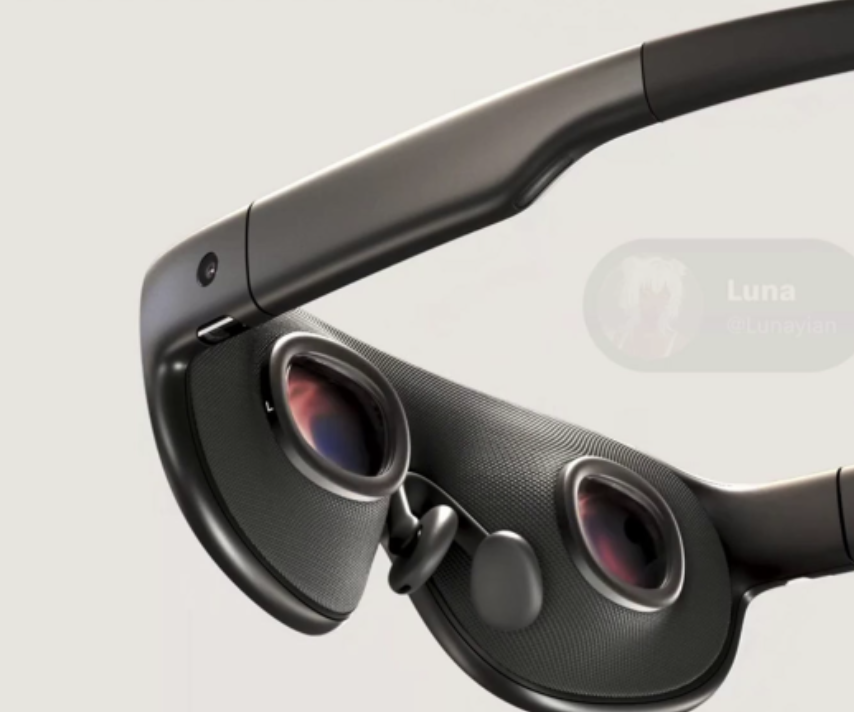
Meta VR Glasses debuted at $1,299 as Meta Platforms tried to narrow Apple's hardware lead with a lighter headset design for mixed reality.
The device, introduced Wednesday, shifts the processor, cooling fan, battery and other compute parts into an external pack. That pack can clip to a pocket or sit on a table, rather than loading those components into the headset frame.
A 100-gram headset
Meta said the headset weighs about 100 grams, roughly one-sixth the weight of Apple’s Vision Pro and one-fifth the weight of Meta’s Quest 3S. That is the core technical trade-off: less mass on the face, more hardware outside the display unit.
The design differs from Meta’s earlier Quest models, which housed the main compute stack inside the headset. It also goes further than Apple’s Vision Pro, which uses an external battery but keeps more of the computing architecture in the headset itself.
The product still covers the standard mixed-reality workload Meta and Apple have been chasing. Meta listed immersive video playback, office applications, web browsing, gaming, videoconferencing, a voice assistant and external monitor use for a Mac or PC among the device’s functions.
Bosworth credits Apple's permission
Meta Chief Technology Officer Andrew Bosworth framed Apple’s role as useful for the category, even as Meta positioned its device below the Vision Pro on price and weight. In an interview tied to the launch, Bosworth said Meta owes Apple “a little bit of a debt of gratitude.”
Bosworth said entertainment partners became more willing to work on immersive computing after Apple entered the market. He also credited Apple with giving the industry “permission to explore split architectures,” a reference to designs that move key components out of the headset.
“I think they definitely were pioneers on some of those pieces for us and did the heavy lifting,” Bosworth said. “But otherwise, there’s not a huge comparison,” he added, citing the lower price and lighter weight.
The external-pack bargain
The engineering bet is straightforward: headset comfort has been one of the clearest constraints on daily use. A lighter device may support longer sessions for video, productivity and gaming, if users accept the external pack as a normal accessory rather than a compromise.
The launch also puts Meta’s headset economics back in focus. The company is presenting the new model as part of a line moving toward profitability, but the source material did not provide unit margins, production costs or shipment targets.
The $1,299 price gives Meta a cleaner consumer pitch than a heavier premium headset, but it is still expensive relative to mainstream game consoles, laptops and standalone Quest devices. That price point makes software utility important: without regular work, video or gaming use, the lighter frame alone may not be enough to expand the buyer base.
Three paths for headset demand
If the split design proves comfortable in longer use, Meta could improve its own hardware attach rate and give developers a larger audience for mixed-reality apps. At the sector level, that would put more pressure on headset makers to separate display weight from compute hardware.
If users treat the external pack as friction, the benefit shifts from category expansion to a narrower premium niche. In that case, Meta’s company-level gain would depend more on software, accessories and enterprise use, while rivals could keep arguing for more self-contained devices.
The macro effect is likely to remain limited unless mixed-reality hardware becomes a larger consumer electronics category. For now, the immediate mechanism is industry-specific: lighter headsets may improve session length, but adoption still turns on price, app depth and whether buyers want another screen in the workflow.