Mercedes Bets Its Future on an 18-Year-Old: Why Formula 1's Pipeline Keeps Getting Younger?
Mercedes promotes Andrea Kimi Antonelli to F1 seat for 2025, replacing Lewis Hamilton. The young driver joins a grid of pre-drinking age talents.
Mehmet Şahinoğlu ·
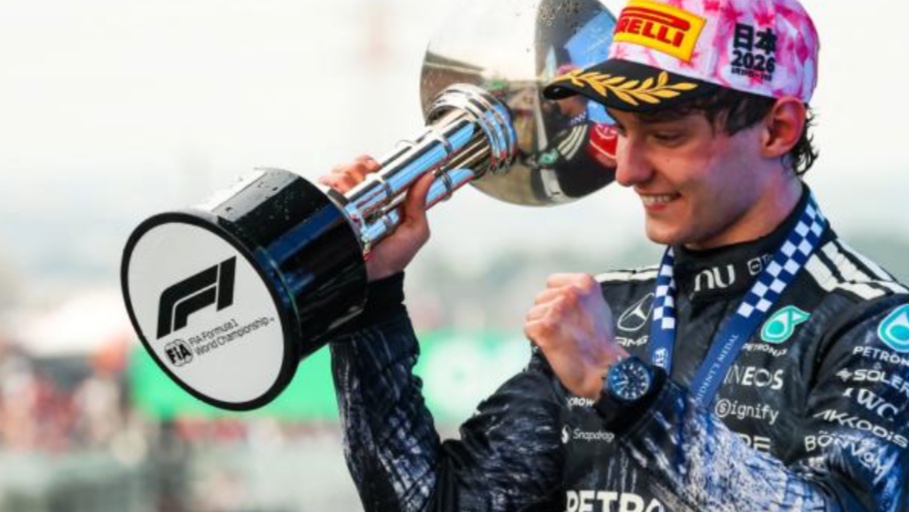
Andrea Kimi Antonelli, born in Bologna in August 2006, is driving for Mercedes-AMG Petronas in the seat Lewis Hamilton vacated for Ferrari. Team principal Toto Wolff signed the Italian directly out of Formula 2 without waiting for a championship title, a decision that broke with how Mercedes has historically vetted its main drivers. Antonelli became one of the youngest race starters in the sport's history when he debuted in Australia.
From Italian Karting to Brackley
Antonelli was inside the Mercedes junior program by 11, an unusually early age even by modern standards. He won European and world karting titles before sweeping Italian F4 and the ADAC F4 series in 2022, then took the Formula Regional European and Middle East championships back-to-back in 2023. Mercedes pushed him straight into Formula 2 for 2024, skipping Formula 3 entirely — a route few drivers have survived intact.
A Pipeline Built for Speed
The promotion fits a wider pattern. Max Verstappen entered F1 at 17 in 2015 and won his first race at 18; Lando Norris and Charles Leclerc arrived at 19 and 20 respectively. Oscar Piastri reached McLaren at 21, Ollie Bearman joined Haas at 19, Gabriel Bortoleto landed at Sauber at 20, and Isack Hadjar took a Racing Bulls seat at 20. The median age of an F1 rookie has fallen by roughly four years over the past decade, and academies at Red Bull, Ferrari, Alpine, and Mercedes now compete to lock in talent before puberty finishes.
Why Teams Prefer Them Young
The economics favor early signings. A driver under 22 is cheaper, contractually flexible, and arrives without the baggage of a previous team's setup preferences. Modern simulators also let rookies bank thousands of virtual laps before their first race weekend, narrowing the experience gap that once protected veterans. For Mercedes, Antonelli also offered something Hamilton could not: a decade-long runway during the next regulation cycle, which begins in 2026.
The Case That Younger Is Better
Reaction time peaks in the late teens and declines measurably from the mid-twenties onward, according to motor-control research used across elite motorsport. Younger drivers also adapt faster to new car philosophies, a real advantage given F1's 2026 rules overhaul covering engines, aerodynamics, and active suspension. The counterargument — that veterans extract more from imperfect cars on race day — still holds, but the gap has narrowed as data engineering replaces seat-of-the-pants feel.
A Generational Reset Across the Grid
The 2025 grid is the youngest in roughly two decades, and the trend is reshaping commercial dynamics around the sport. Sponsors are courting drivers whose social audiences skew Gen Z, and broadcasters report that F1's median viewer age has dropped sharply since the Drive to Survive era began in 2019. Teams now treat driver development as a brand investment, not just a sporting one.
The Risks Mercedes Accepted
Rookie seasons are unforgiving, and Antonelli's first months produced both a podium and visible mistakes — the standard arc for drivers thrown into top machinery early. The deeper risk is structural: if the 2026 car underperforms, Mercedes will have replaced a champion with a teenager during a downturn it cannot blame on the driver. Whether early promotion produces the next Verstappen or the next cautionary tale usually takes three full seasons to judge, and Antonelli is one season in.