Malaysia Detains Israel-Bound Cargo at Key Port
Malaysia has detained multiple Israel-bound containers at Tanjung Pelepas, signaling a stricter enforcement policy on transshipments linked to the ongoing…
Lauren Collins ·
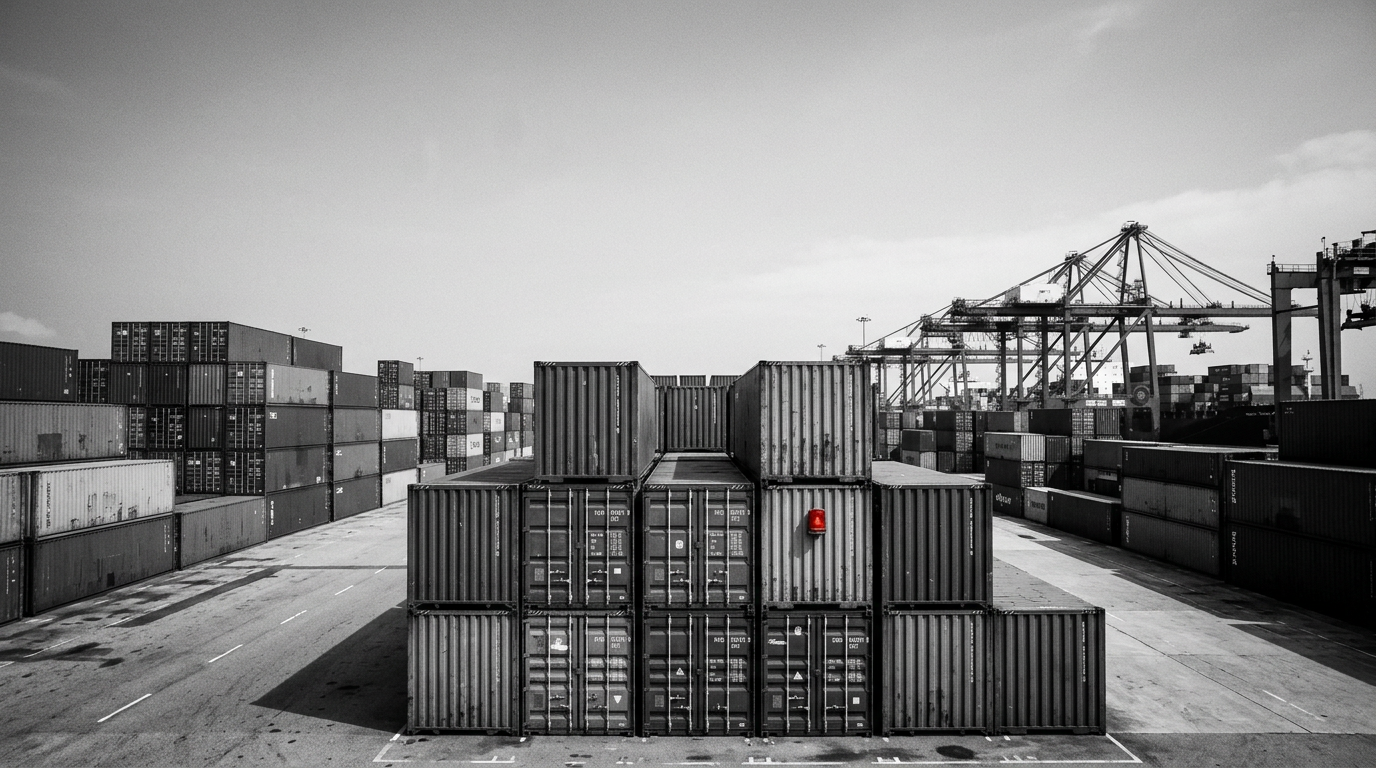
Malaysian authorities have detained four containers destined for Ashdod, Israel, at the Port of Tanjung Pelepas. The seizures, occurring between August 7 and August 19, mark an escalation in customs scrutiny linked to the ongoing conflict in Gaza.
The initial detention on August 7 involved a shipment linked to an Israeli defense technology firm, Elbit Systems, which authorities suspected of containing military-grade equipment. This container originated from the Philippines.
Subsequently, on August 19, three additional containers were seized. These shipments, originating from China and carrying electric bike components from Chongqing Mobimax Technology, remain under investigation by Malaysian authorities.
Malaysia's Stance on Gaza Shipments These actions reflect Malaysia's increasingly stringent trade enforcement protocols. The government has signaled an intent to restrict transshipments related to the Gaza conflict, creating potential logistical delays for international carriers. Prime Minister Anwar Ibrahim has stated his administration's commitment to preventing goods destined for the conflict zone from passing through Malaysian ports. This policy has led to increased regulatory uncertainty for global shipping lines and manufacturers using Malaysian transshipment hubs. Trade Implications and Uncertainties
Tanjung Pelepas
Continued detention of these goods suggests a hardening of Malaysia's position in response to domestic political pressure. The broader implications include potential disruptions to established global supply chains that rely on the Port of Tanjung Pelepas for transshipment.
If the Malaysian government maintains its current stance on Israel-bound cargo, shipping companies may need to reroute shipments, leading to increased costs and longer transit times. Conversely, a de-escalation of regional tensions or a shift in government policy could alleviate these trade pressures, potentially normalizing transshipment operations through Malaysia's key ports.