Hormuz Strait Shut Down After Tanker Attack
Iran re-closes the Strait of Hormuz on Saturday after gunboats fired on a tanker, tying reopening to lifting the U.S. blockade on ports.
Lauren Collins ·
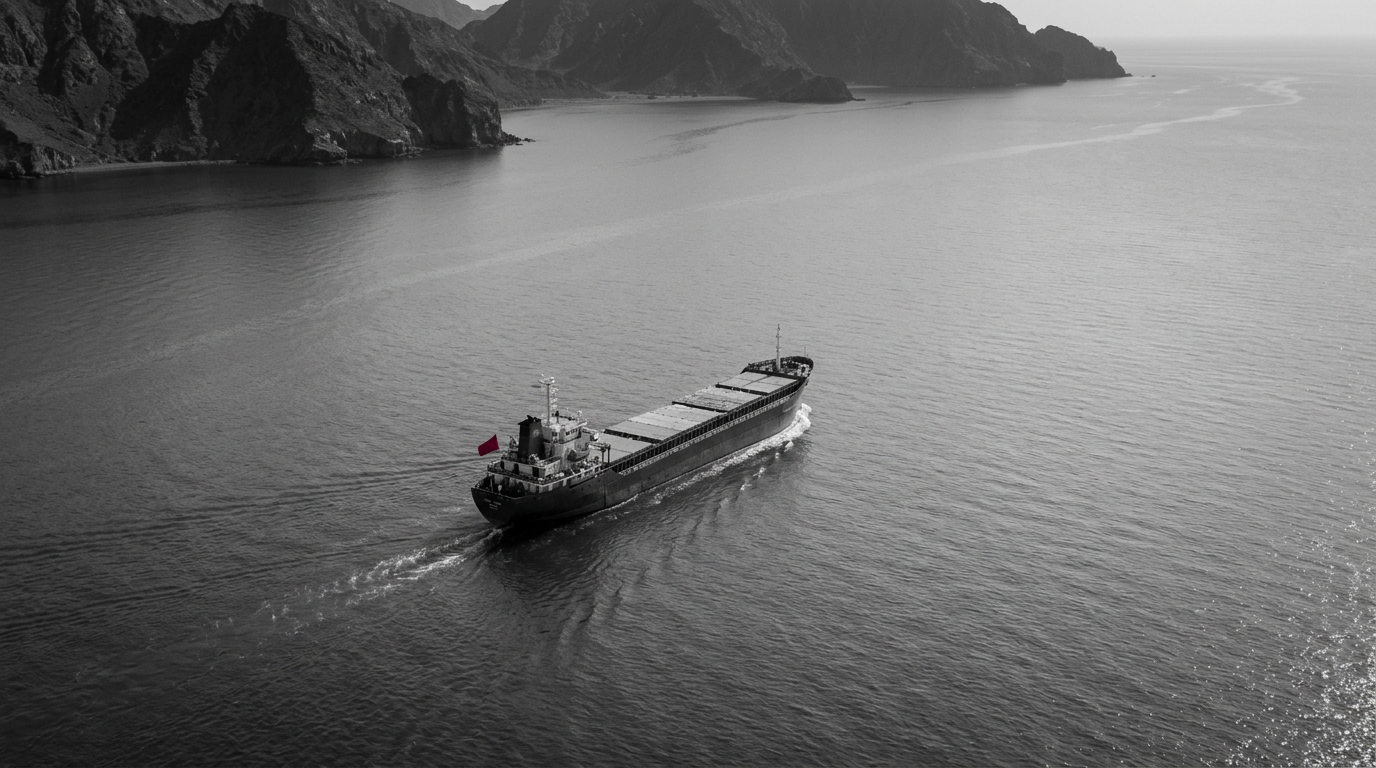
Iran’s Revolutionary Guard Corps said on Saturday that it has re-closed the Strait of Hormuz, reversing a decision announced on Friday to reopen the waterway. The move follows an incident in which Iranian gunboats fired on a tanker that was attempting to pass through the strait, according to official statements and maritime reporting.
The United Kingdom Maritime Trade Operations center confirmed the episode, saying two gunboats opened fire on a tanker. UKMTO reported that the vessel and its crew were safe, indicating no immediate loss of life from the exchange as described in the report.
Iran said the renewed closure will remain in place until what it described as the U.S. blockade on Iranian ports is lifted. U.S. President Donald Trump had previously said the blockade would stay “in full effect” until a deal related to Iran’s nuclear program was reached. Iran, in turn, has characterized the U.S. measure as a violation of the ceasefire, according to the account provided.
Iran’s military command said control of the strait has returned to its prior status under strict management. The Strait of Hormuz is a key chokepoint for global energy flows, with approximately one-fifth of the world’s oil supply transiting the route, according to the information provided. The re-closure therefore raises immediate concerns for energy markets and for governments and companies reliant on stable shipping lanes.
The development comes amid mediation efforts and after a recent 10-day truce between Israel and the Iranian-backed Hezbollah militant group in Lebanon, which had largely held. The renewed action at the strait adds pressure to an already tense regional environment, even as diplomatic channels were described as active.
The wider conflict has produced heavy casualties across multiple countries, according to the figures cited. The toll includes over 3,000 deaths in Iran, nearly 2,300 in Lebanon, 23 in Israel, and more than a dozen in Gulf Arab states. The same account also reports that 13 U.S. service members have been killed.
Key uncertainties remain around how long the closure will last and how shipping patterns will adjust while the stated condition for reopening—lifting the U.S. blockade on Iranian ports—remains unmet. Officials have not provided a timeline for any change, leaving markets and regional stakeholders focused on further security incidents and any shifts in the diplomatic positions described.