US Halts Hormuz Talks After Iran Stalls
U.S. blocks Hormuz Strait after Islamabad talks fail, restricting access to Iranian ports as officials cite higher energy prices and unmet conditions.
Lauren Collins ·
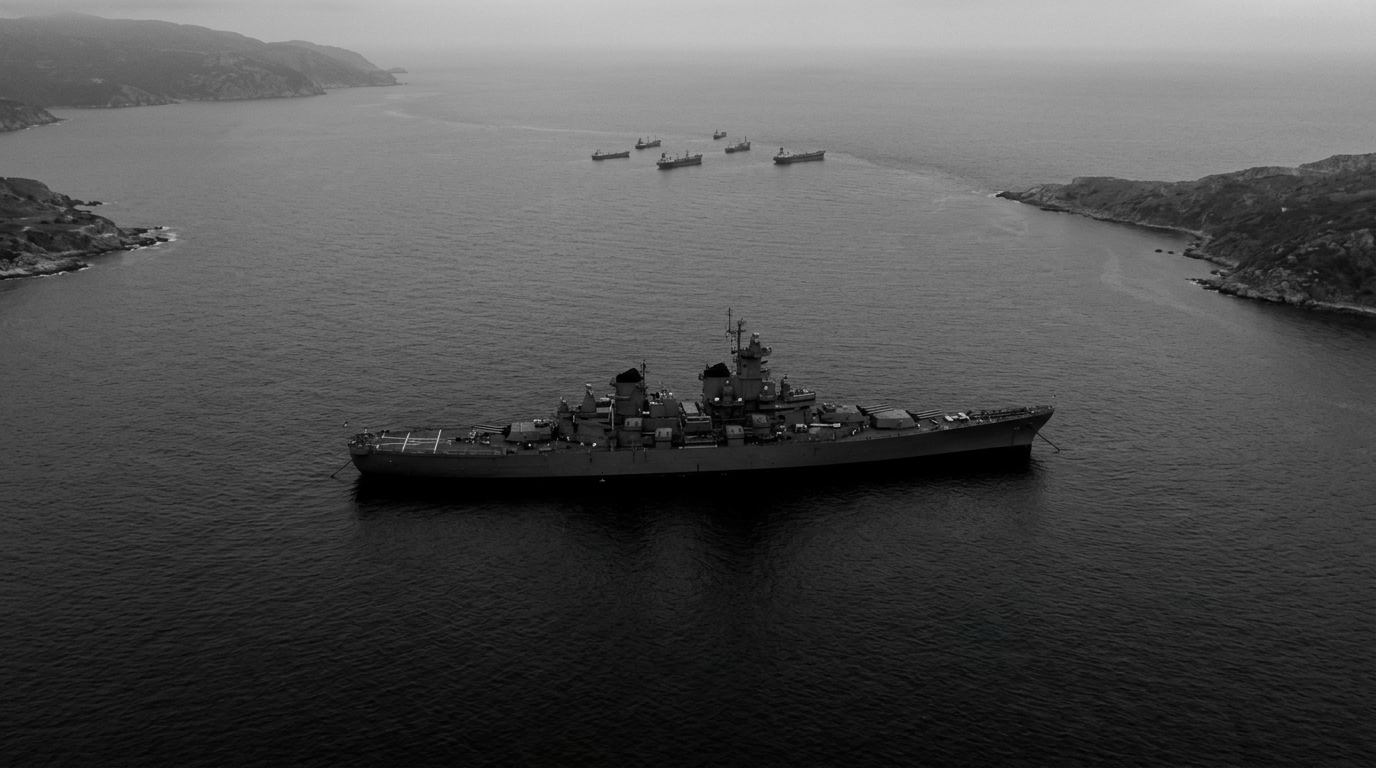
U.S. forces initiated a blockade of the Strait of Hormuz on April 12, 2026 , restricting maritime access tied to Iran by preventing ships from entering or exiting Iranian ports, according to officials. The move followed peace negotiations with Iran in Islamabad that did not produce an agreement. President Donald Trump announced the blockade as a step intended to increase pressure on Tehran to return to negotiations and to secure the reopening of the strait.
Vice President JD Vance said on April 13, 2026, that any further movement in the peace process would depend on Iran’s next decisions. He said the United States had put forward substantial proposals, while indicating that Iran had not met U.S. expectations in the talks. U.S. negotiators, including Vance, Steve Witkoff, and Jared Kushner, said there was some progress in Islamabad but that Iran did not sufficiently address U.S. demands.
The blockade comes as the Strait of Hormuz has been effectively closed during the ongoing conflict, a situation that officials said has pushed global energy prices higher. The strait is described by officials as a critical route for oil shipments, making disruptions there a key factor for energy markets and for countries dependent on seaborne crude flows. The U.S. action is framed by officials as an effort to compel the reopening of the waterway alongside broader diplomatic objectives.
Vance also linked the diplomatic track to a 14-day ceasefire that began the previous week. He said the ceasefire was partly conditioned on Iran agreeing to fully reopen the strait, and that this condition had not been met. Officials presented the blockade as an additional lever designed to increase economic pressure on Iran in support of U.S. negotiating positions.
Officials said U.S. “red lines” for any peace deal include Iran committing to never possess nuclear weapons. They specified that this would require removing enriched uranium from the country and establishing robust verification measures. U.S. officials said Iran did not adequately address these requirements during the Islamabad discussions, leaving the next steps uncertain and dependent on Iran’s response.