Leading anti‑racism activist in Tunisia jailed for eight years
Tunisian anti-racism activist Saadia Mosbah was jailed for eight years, raising international concerns over human rights and freedom of expression.
Cuneyd Erdogan ·
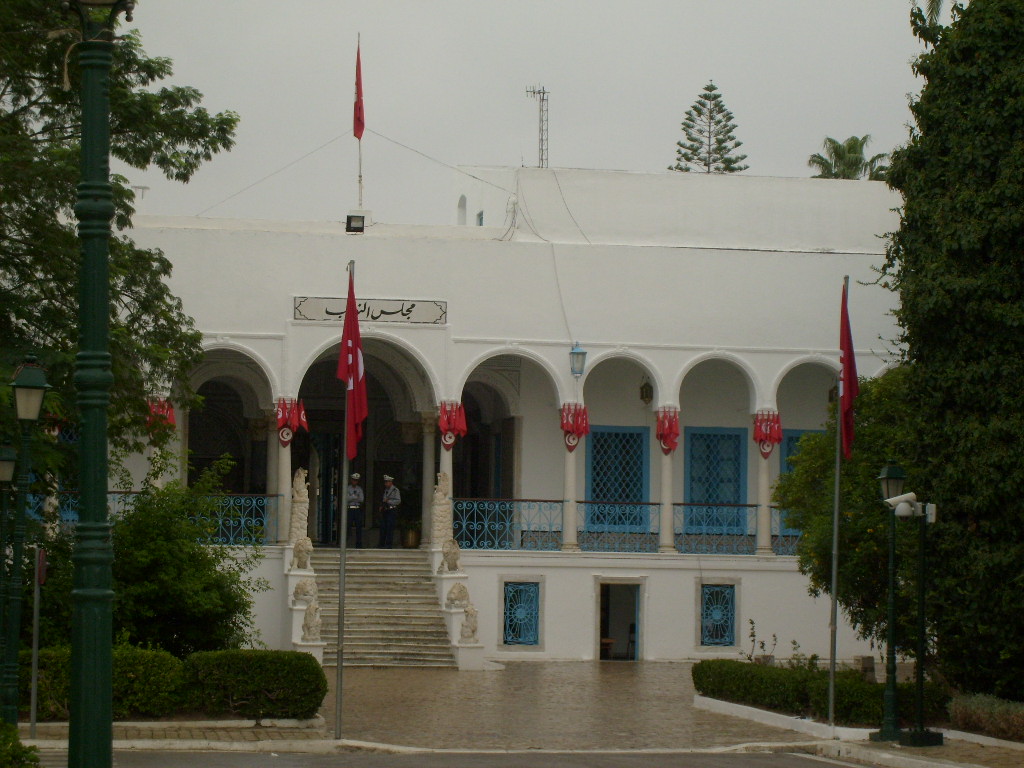
A prominent anti-racism activist in Tunisia, Saadia Mosbah, has been sentenced to eight years in prison. The ruling, issued by a Tunisian court, has drawn significant international attention and raised concerns regarding human rights and freedom of expression within the country. Mosbah, who leads the anti-racism organization M'nemty, was arrested in January 2024.
Activist's Arrest and Charges
Mosbah's arrest on January 15, 2024, followed a judicial investigation into alleged financial irregularities. Authorities accused her of money laundering and illicit enrichment. Her organization, M'nemty, has been at the forefront of advocating for the rights of Black Tunisians and combating racial discrimination, particularly in the wake of increased anti-migrant sentiment.
Context of Anti-Racism Advocacy
Tunisia enacted Law 50 in 2018, criminalizing racial discrimination and establishing penalties for discriminatory acts. This legislation was a direct result of sustained pressure from civil society organizations, including M'nemty. Despite the legal framework, activists report that racial discrimination, particularly against sub-Saharan African migrants and Black Tunisians, remains a significant issue.
Government Crackdown on Dissent
The sentencing of Mosbah occurs amidst a broader crackdown on civil society, opposition figures, and independent media in Tunisia. Since President Kais Saied consolidated power in 2021, numerous critics have faced arrest and prosecution, often under charges related to financial crimes or conspiracy against state security. International human rights organizations have consistently voiced alarm over the shrinking space for dissent.
International Reactions and Concerns
Human rights groups, including Amnesty International and Human Rights Watch, have condemned Mosbah's conviction and called for her immediate release. They argue that the charges are politically motivated and aim to silence critical voices. These organizations highlight a pattern of judicial harassment against activists and journalists in Tunisia, urging international bodies to pressure the Tunisian government to uphold its human rights commitments.
Impact on Civil Society and Migrant Rights
The jailing of a leading anti-racism figure like Mosbah is expected to have a chilling effect on civil society organizations working on human rights and migrant issues in Tunisia. Her organization, M'nemty, has been crucial in providing support to vulnerable communities and documenting instances of racial discrimination. The verdict could further deter public advocacy and activism at a time when Tunisia faces increasing pressure as a transit country for migrants to Europe.
Outlook for Human Rights in Tunisia
The current political climate suggests continued challenges for human rights and democratic freedoms in Tunisia. The government's actions against activists and critics indicate a sustained effort to control public discourse and suppress opposition. International observers will closely monitor further developments in Mosbah's case and the broader human rights situation, particularly as Tunisia navigates economic difficulties and social tensions.
Implications
Country Impact: Tunisia's international standing may suffer due to concerns over human rights and judicial independence. The ruling could further suppress civil society and opposition, consolidating governmental control.
Industry Impact: The human rights advocacy sector within Tunisia faces increased pressure and potential restrictions. Organizations working on migrant rights and anti-racism may find their operations more challenging.
Market Impact: While direct market impact is limited, a deteriorating human rights situation can deter foreign investment and impact international aid, potentially affecting Tunisia's economic stability in the long term.