Supreme Court to Review TPS for Haitians, Syrians
The U.S. Supreme Court will review the Trump administration's attempt to end Temporary Protected Status for Haitians and Syrians.
Cuneyd Erdogan ·
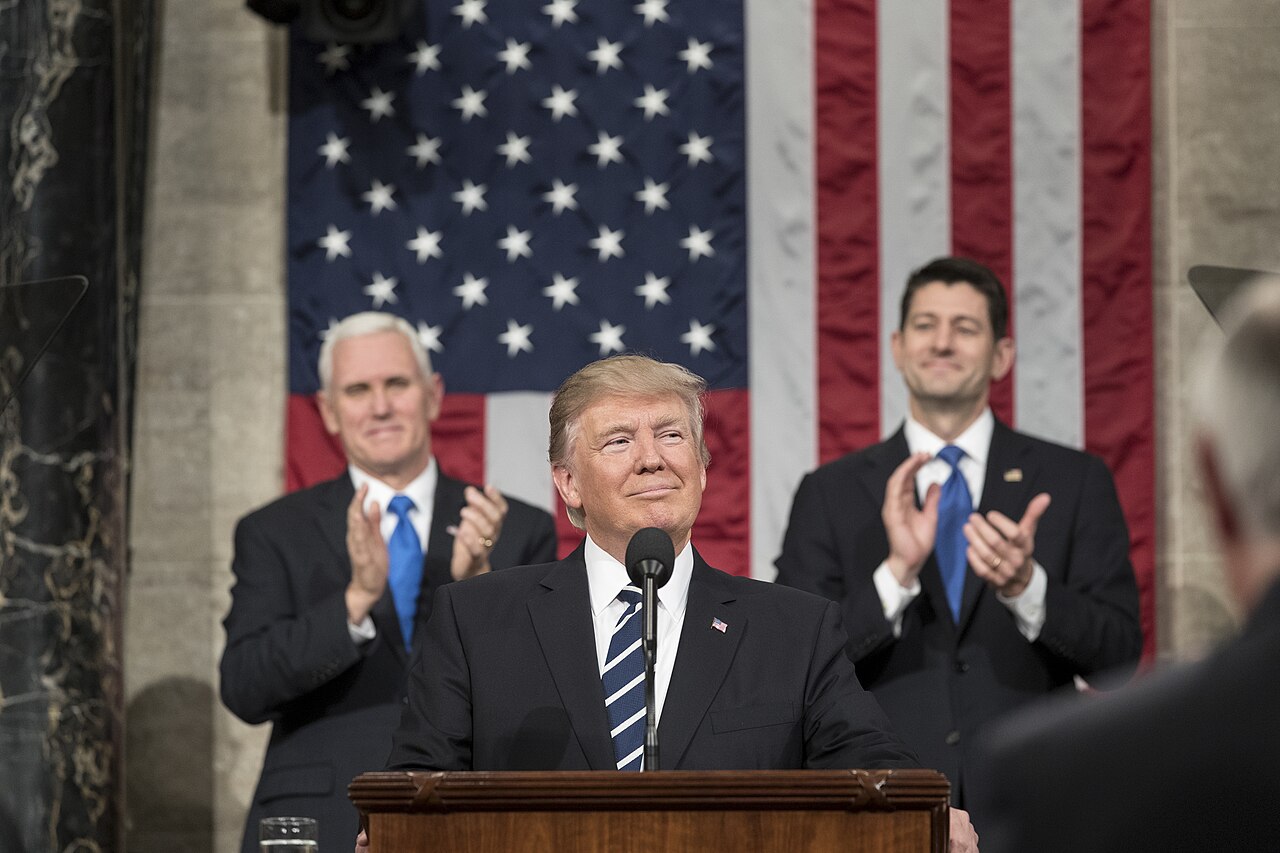
The U.S. Supreme Court is scheduled to review a legal challenge concerning the Trump administration's efforts to terminate Temporary Protected Status (TPS) designations for individuals from several nations, including Haiti and Syria. This judicial review follows a prior decision by the court that allowed current protections to remain in effect for these populations, preventing immediate deportation or loss of work authorization.
Judicial Review Initiated
Arguments before the Supreme Court will focus on the authority of the executive branch to end TPS designations. The case specifically addresses the status of individuals who have resided in the United States under TPS, a program designed to offer temporary refuge to foreign nationals unable to return safely to their home countries due to armed conflict, environmental disasters, or other extraordinary conditions.
Background of Temporary Protected Status
The TPS program, established by the Immigration Act of 1990, grants eligible foreign nationals from designated countries the ability to live and work in the U.S. for a temporary period. Designations are made by the Secretary of Homeland Security and can be extended for periods of 6, 12, or 18 months. Countries are designated based on conditions such as ongoing armed conflict, environmental disaster, or other extraordinary and temporary circumstances.
Prior Administration's Actions
The Trump administration sought to end TPS for several countries, including Haiti, Syria, El Salvador, Nicaragua, Sudan, and Nepal. These decisions were challenged in lower courts, leading to injunctions that temporarily blocked the terminations. The administration argued that the conditions in these countries had improved sufficiently to allow for the safe return of their citizens.
Legal Challenges and Appeals
Multiple lawsuits were filed against the administration's decisions, contending that the terminations were arbitrary, politically motivated, and violated administrative law. Federal appeals courts had previously sided with plaintiffs, maintaining the TPS designations for hundreds of thousands of individuals. The Supreme Court's decision to hear the case indicates a significant legal and political juncture for the program.
Impact on Affected Communities
The outcome of this Supreme Court case will directly affect the legal status and livelihoods of hundreds of thousands of individuals currently living and working in the United States under TPS. These individuals have established lives, families, and careers in the U.S., contributing to local economies. Uncertainty surrounding their status has created significant anxiety within these communities.
Broader Implications for Immigration Policy
This case carries broader implications for U.S. immigration policy and the future of the TPS program. A ruling in favor of the administration could set a precedent for future executive actions regarding humanitarian protections, potentially altering the scope and application of TPS. Conversely, a ruling against the administration could reinforce judicial oversight of such decisions.
Future Outlook
The Supreme Court's deliberations will scrutinize the legal framework governing TPS designations and terminations. The decision is anticipated to clarify the extent of presidential authority in immigration matters and will have lasting effects on both current TPS holders and the future of humanitarian immigration programs in the United States.
Implications
Country Impact: The ruling will directly impact the legal status of thousands of Haitian and Syrian nationals residing in the U.S., potentially leading to mass deportations or a pathway to continued residency. This could strain diplomatic relations with affected countries.
Industry Impact: Industries reliant on immigrant labor, particularly in sectors like construction, hospitality, and agriculture, could face significant workforce disruptions if TPS holders lose their work authorization. This could lead to labor shortages and increased operational costs.
Market Impact: Uncertainty surrounding the legal status of a large segment of the workforce can create economic instability. A mass exodus of TPS holders could reduce consumer spending and tax contributions, impacting local economies and potentially influencing real estate markets in areas with high immigrant populations.