Khamenei Vows Iran Will Guard Nukes and Hormuz Strait
In his first major announcement, Mojtaba Khamenei declared Iran's resolve to protect its nuclear program and maintain control over the Strait of Hormuz.
Lauren Collins ·
Defiant Stance on Strategic Assets
Iran's new Supreme Leader, Mojtaba Khamenei, issued a forceful written statement on Thursday, solidifying the nation's strategic posture amidst ongoing conflict. The communication affirmed Tehran will not relinquish its nuclear and missile capabilities, signaling a policy of continuity under the new regime.
In the statement, Khamenei declared that these advanced technologies would be defended with the same resolve as the nation's borders. This declaration establishes them as non-negotiable pillars of national sovereignty.
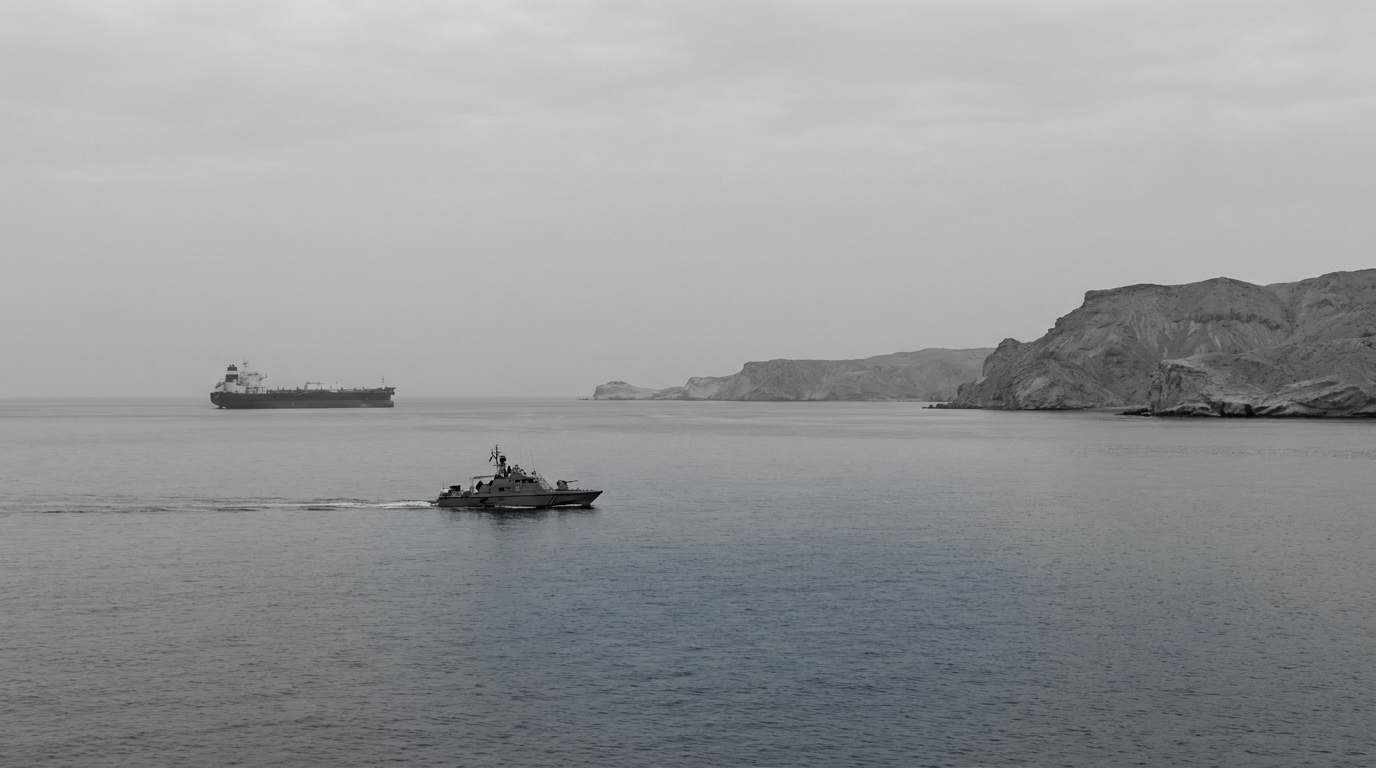
Furthermore, the directive included a stern warning regarding the Persian Gulf. Khamenei pledged that Iran would secure the region and counter any hostile efforts to exploit the Strait of Hormuz, a critical chokepoint for global energy supplies.
A Leader in the Shadows
The transition of power to Mojtaba Khamenei has been shrouded in uncertainty. He assumed the role of Supreme Leader following the death of his father, Ali Khamenei, who was reportedly killed on February 28 in the opening days of a conflict with the United States and Israel.
Since his appointment, the new leader has remained entirely out of the public eye. His absence has fueled widespread speculation, including reports that he was severely wounded in the same airstrike that killed his father. Thursday's written communique is his first official communication to the outside world.
Standoff in the Gulf
This development comes as diplomatic channels between Washington and Tehran remain frozen. The United States and Iran have shown no inclination to resume peace negotiations, creating a tense and volatile standoff.
U.S. President Donald Trump has maintained that a naval blockade imposed by his forces is proving effective, applying significant pressure on the Islamic Republic. Khamenei's defiant statement is widely seen as a direct rebuttal to this strategy, demonstrating Iran's unwillingness to capitulate on core strategic interests.
The declaration to control the Strait of Hormuz directly challenges the U.S. naval presence and escalates the potential for direct confrontation in the vital waterway. The lack of dialogue raises the risk of miscalculation by either side.
Implications for Regional Stability
By prioritizing technological sovereignty and maritime control, the new leadership in Tehran is signaling its intent to continue its long-held strategic doctrines. The statement dashes any hopes for an immediate policy shift or a more conciliatory approach following the change in command.
The explicit commitment to both the nuclear program and dominance in the Gulf sets the stage for continued friction with the U.S. and its regional allies. Observers will now be watching closely for Washington's reaction and for any move by Mojtaba Khamenei to make a public appearance and consolidate his authority in a more visible manner.