Kenya's Power Capacity Blocks Microsoft Data Center
Kenya's power grid capacity constraints have stalled Microsoft's major data center project due to high energy demands.
Lauren Collins ·
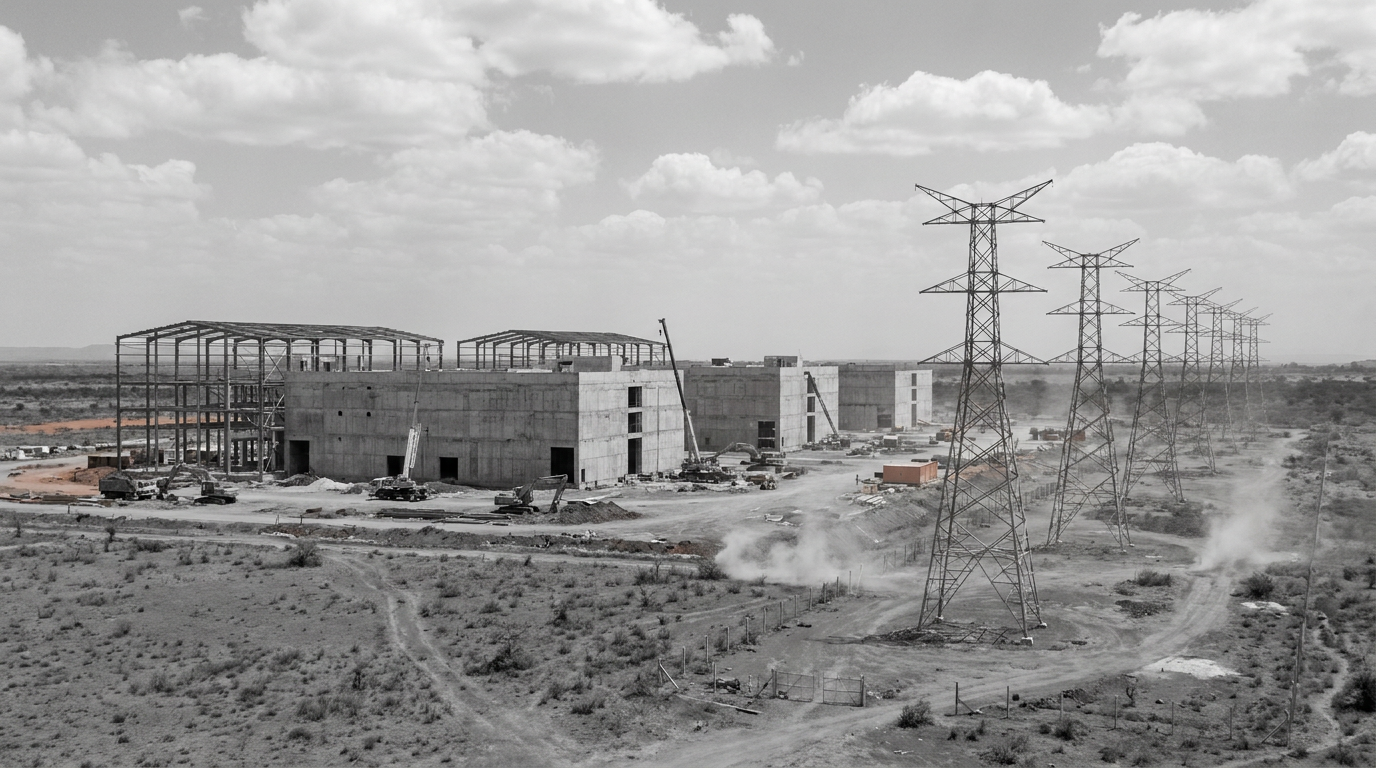
Microsoft's ambitious plan for a 1-gigawatt data center in Kenya has encountered significant obstacles, primarily stemming from the nation's limited energy infrastructure. The proposed facility's energy requirement is projected to consume approximately one-third of Kenya's current total power generation capacity, which stands at 3,200 megawatts. This substantial demand has raised concerns about the grid's ability to support such a large-scale consumer without compromising existing services.
Energy Demand Outstrips Supply
The project has been put on hold as Kenya's electricity sector struggles to guarantee the annual capacity payments that Microsoft considers essential for its investment. These payments are crucial for ensuring the financial viability and operational stability of such a significant technological undertaking. The tight power supply situation has been exacerbated by a record peak electricity demand of 2,444 megawatts reached in January 2026.
This peak demand leaves very little surplus capacity available for new, major power consumers. The Kenyan government has been working to increase power generation and improve grid stability over the past decade, but growth in industrial and commercial sectors has accelerated demand. This has created a scenario where expanding the grid's capacity to meet commercial needs is a pressing challenge.
Future of Digital Infrastructure and Energy Planning
The stalled Microsoft project highlights the intricate balance required between attracting foreign investment in digital infrastructure and ensuring the sustainability of national power resources. Kenya has been keen to position itself as a tech hub for East Africa, attracting investments in data centers and technology companies. However, the country's energy policy and infrastructure development must keep pace with this ambition.
Officials are now tasked with finding innovative solutions to expand power generation, potentially through renewable energy sources, and enhance grid management. The ability to manage these challenges will determine Kenya's capacity to host future large-scale technological projects. It also underscores the need for robust long-term energy planning that anticipates future demand from burgeoning digital economies.
The outcome of these deliberations will significantly influence the landscape of digital investment and energy security in Kenya. Without a clear path to increased, reliable power supply, similar projects may face similar delays or cancellations. The nation's economic development goals are closely tied to its ability to provide stable and sufficient energy for industrial growth.