Starmer faces Commons vote over Mandelson appointment
Keir Starmer faced a Commons motion and committee scrutiny over claims he misled MPs on Peter Mandelson’s U.S. envoy role.
Cuneyd Erdogan ·
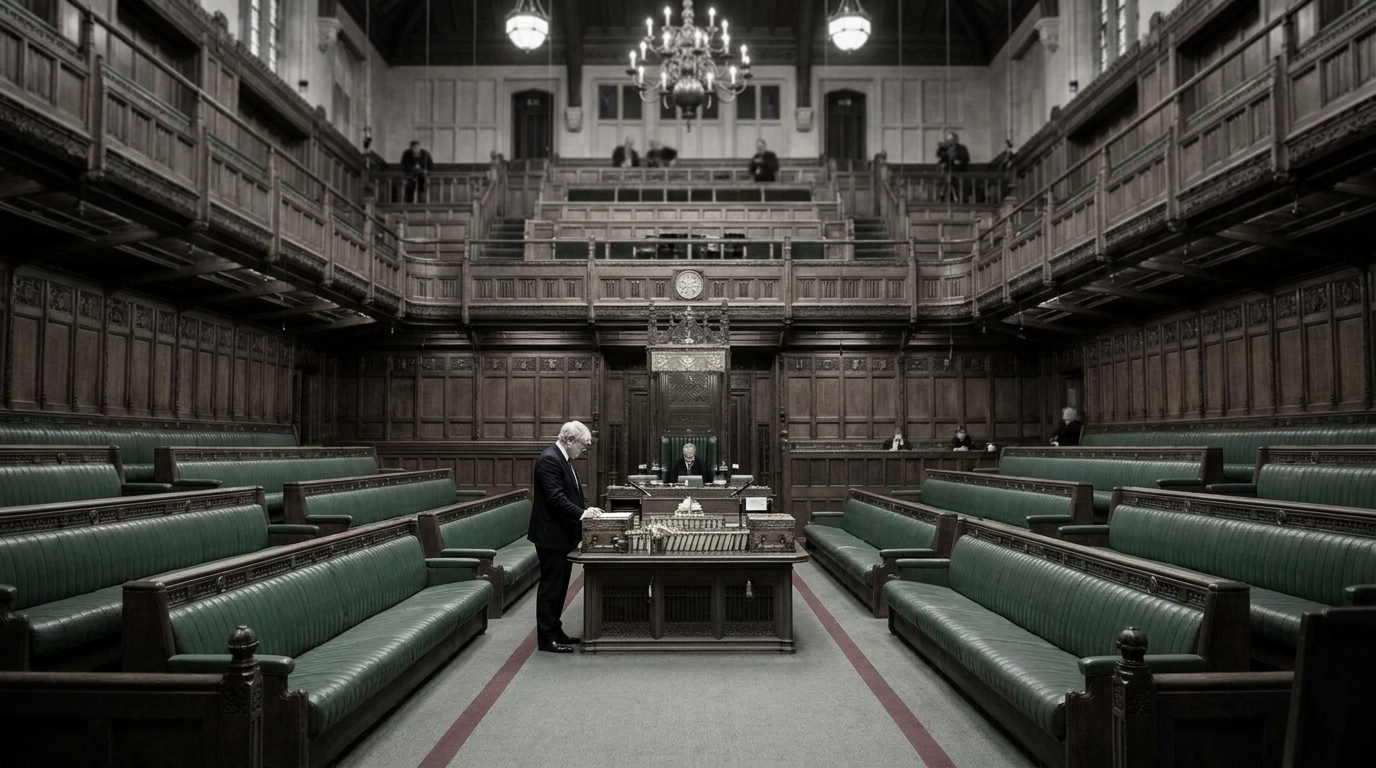
Keir Starmer, the Labour Party leader, came under parliamentary scrutiny on [Date of Event] as MPs debated allegations that he misled the House of Commons over the appointment of Peter Mandelson as ambassador to the U.S.
The challenge took the form of a motion seeking to refer Starmer to the privileges committee, the body that can examine whether MPs have breached parliamentary rules. The motion was tabled by Conservative MP Kemi Badenoch and backed by other opposition parties.
Motion to refer Starmer expected to be defeated
Labour MPs were placed under a three-line whip to vote against the referral, signaling the party leadership’s expectation of full discipline in the division. The motion was widely expected to fail.
In the Commons debate, the central dispute was whether Starmer deliberately misled MPs when addressing questions linked to Mandelson’s appointment. The argument drew comparisons with earlier controversies involving Boris Johnson, who faced allegations of misleading Parliament.
Labour calls the vote a pre-election political move
Labour described the motion as a political maneuver, framing it as an attempt to generate pressure ahead of upcoming local elections. The party’s position was that the referral effort was driven by partisan tactics rather than a genuine standards concern.
Opposition parties, by contrast, used the debate to press the claim that the Commons should formally examine Starmer’s statements. The motion’s backers argued that the privileges committee was the appropriate forum to assess whether the House had been misled.
Foreign affairs committee hears evidence on Mandelson and Robbins
At the same time, the Commons foreign affairs committee took evidence on the circumstances surrounding Mandelson’s appointment. Witnesses included Philip Barton, the former permanent secretary at the Foreign Office, and Morgan McSweeney, Starmer’s former chief of staff.
The committee session also addressed the subsequent dismissal of Olly Robbins from the Foreign Office, which was discussed in connection with how the appointment process was handled. The evidence-gathering ran alongside the Commons vote, adding a second track of scrutiny.
Security vetting concerns and handling of the appointment
While Starmer was expected to win the parliamentary vote, attention also focused on how the committee testimony could shape views inside Labour. McSweeney’s evidence, in particular, was expected to influence perceptions among Labour MPs.
For many MPs and members of the public, the central issue was described as less about the allegation of misleading Parliament and more about the decision to appoint Mandelson despite initial security vetting concerns. The handling of the matter after those concerns emerged, including Robbins’ dismissal, remained a key point of contention as the scrutiny unfolded.