UK PM faces resignation calls over vetting failure
UK PM faces resignation calls after a failed security vetting check for an ambassadorial appointment, with markets watching gilt yields.
Lauren Collins ·
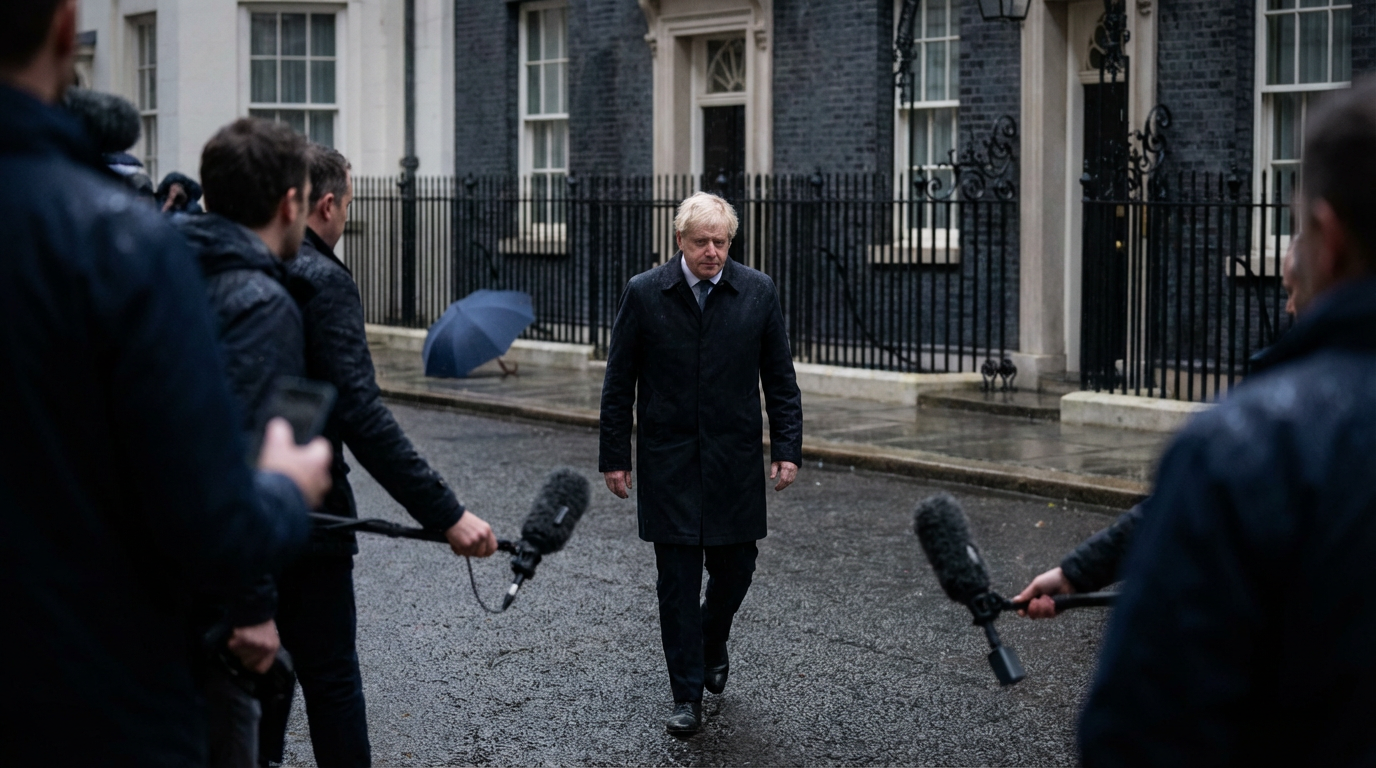
The UK Prime Minister is under renewed political pressure after disclosures about a failed security vetting check linked to a key ambassadorial appointment. Opposition figures have called for the Prime Minister to resign, arguing the episode raises serious questions about oversight of sensitive national security decisions and the integrity of official explanations.
The opposition leader accused the Prime Minister of dishonesty over what he knew, and when, about the vetting failure. The Prime Minister’s position is that he was not told about the failed check by the Foreign, Commonwealth and Development Office (FCDO) until recently. That claim has become central to the dispute, as critics argue the government’s internal information flow and accountability mechanisms should have prevented such a gap.
In the wake of the revelations, the head of the FCDO was dismissed. Separately, a former chief of staff resigned over the matter. The government has also launched an urgent review into the vetting process and earlier decisions to overrule security recommendations, with the review set to examine the actions of organizations involved in making security judgments.
Beyond Westminster, the episode has registered in financial markets. Market indicators reflected sensitivity to the political uncertainty, with 10-year gilt yields rising before later stabilising. Investors have reportedly focused on the risk that a leadership change could bring shifts in fiscal discipline, a concern that can influence borrowing costs and broader confidence in policy continuity.
Parliamentary scrutiny is also expected to play a role. The cross-party intelligence and security committee has been tasked with deciding whether documentation connected to the ambassador’s appointment and vetting should be made public. Officials face a balancing act between transparency demands and the need to protect national security, particularly where disclosure could reveal methods, assessments, or institutional processes.
Key uncertainties remain unresolved in public: the precise timeline of who knew what inside government, how the vetting failure was handled operationally, and how often security recommendations have been overridden in past cases. The outcome of the urgent review and the committee’s decision on disclosure are likely to shape the next phase of political accountability, as well as market perceptions of stability in UK governance.