Trump Prepares Mass Pardons for Close Presidential Advisers as Second Term Concludes
Trump plans broad pardons for close advisers as his second term ends, after more than 1,800 clemency actions, including Jan. 6 cases.
Lauren Collins ·
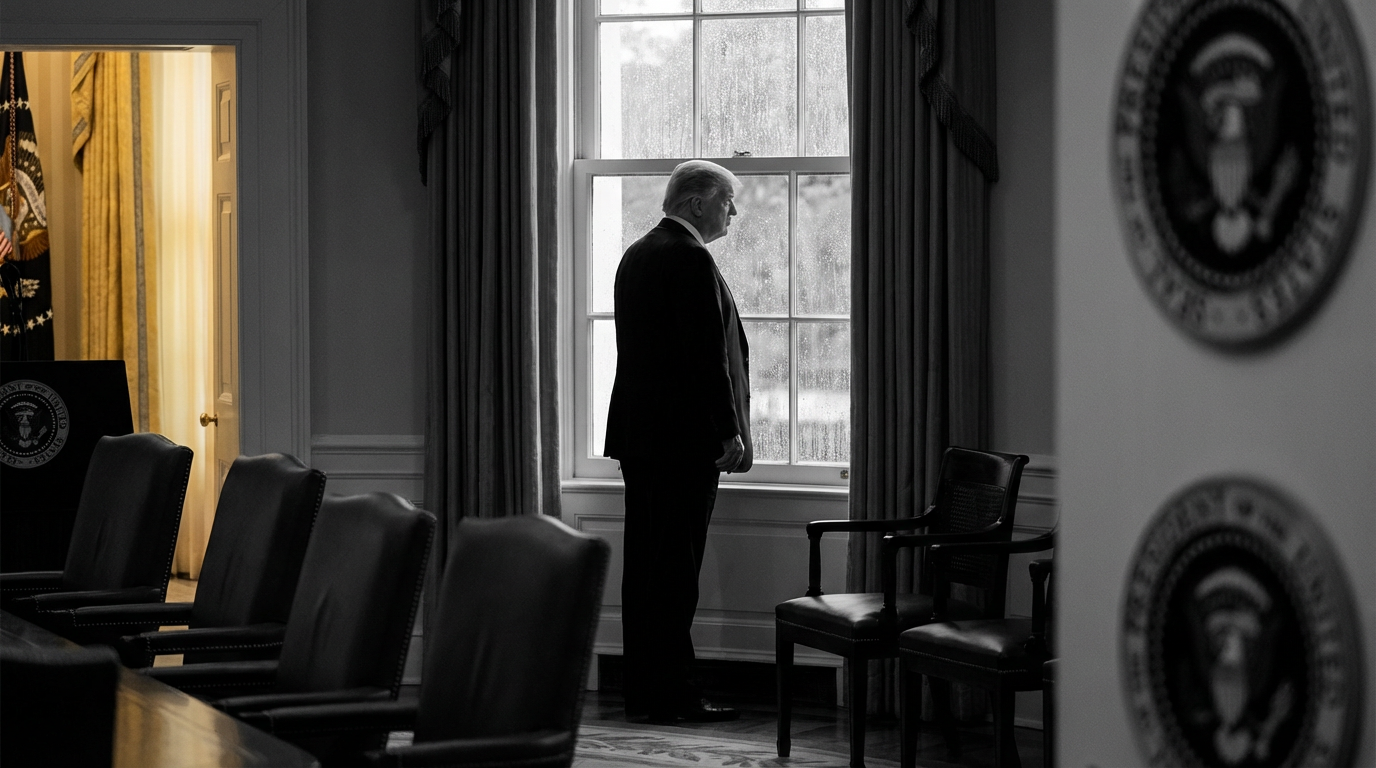
Donald Trump is expected to issue a sweeping set of pardons for people in his inner circle as his second presidential term nears its end, according to reports referenced in the source material. The same account says Trump has, over the past year, privately told individuals he intends to use his clemency authority at the close of his term.
The reported plan is presented as an extension of a broader clemency pattern during his second presidency. Since the start of that term, Trump has granted clemency to more than 1,800 people, with about 1,500 of those cases tied to the January 6, 2021, incident at the U.S. Capitol, as described in the source material.
The report also describes Trump making private jokes about pardoning anyone within a certain distance of the Oval Office. Responding to the reporting, White House Press Secretary Karoline Leavitt said the Wall Street Journal should “learn to take a joke” and added that the President’s pardon power is “absolute,” according to the source material.
Several high-profile clemency actions cited in the same account illustrate the range of cases involved. One example is Changpeng Zhao , identified as the founder of the cryptocurrency exchange Binance , who received a pardon after pleading guilty to charges connected to failing to maintain an anti-money laundering program.
The source material says this pardon came after Binance accepted a $2 billion transaction from an Emirati investment fund through a crypto venture affiliated with the Trump family.
Another case highlighted involves former Congressman George Santos . The report says his seven-year prison sentence for wire fraud and identity theft was commuted, cutting his incarceration to three months.
Large-scale clemency decisions can change legal outcomes for individuals and shape how executive power is used during a president’s final stretch in office, as the source material notes. The inclusion of a crypto executive among notable pardons has also drawn investor attention to how political decisions can intersect with compliance and enforcement issues in the digital-asset sector.
The reported scale of clemency may influence perceptions of institutional stability and expectations around the rule of law, according to the source material. Internationally, the reference to a $2 billion Emirati-linked transaction underscores how cross-border capital flows can intersect with U.S. political developments and reputational considerations tied to politically connected deals.
For crypto markets, the Zhao pardon following an anti-money laundering-related guilty plea keeps compliance and enforcement in focus, while the Emirati-linked transaction highlights exposure to international capital movements. Markets may watch for signals about regulatory posture and enforcement expectations in crypto-related cases, as described in the source material.