Justices Divided on Ending Temporary Protected Status
The Supreme Court is reviewing the executive branch's power to end Temporary Protected Status for thousands, a case with major immigration policy implications.
Cuneyd Erdogan ·
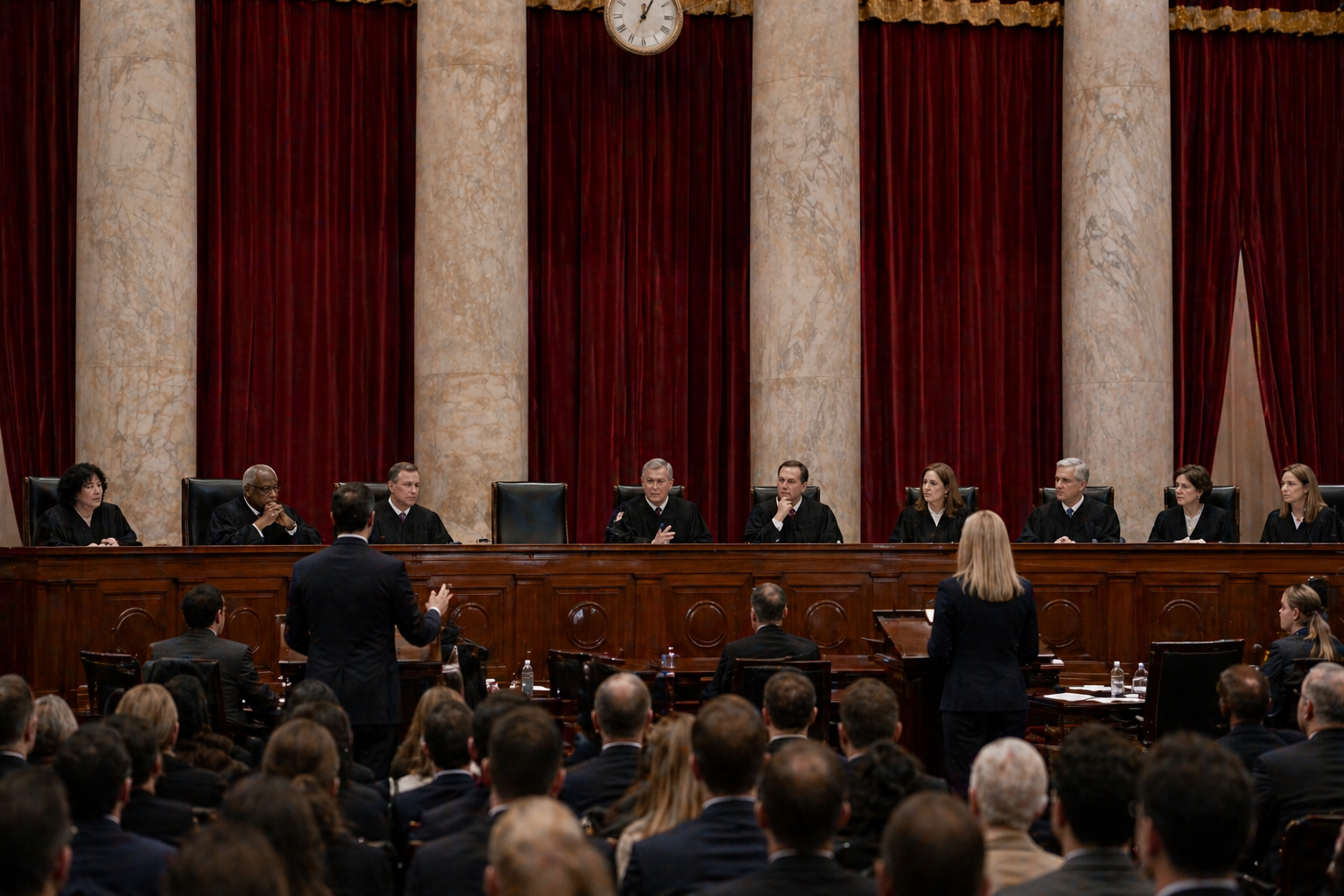
A Question of Executive Authority
The Supreme Court on Wednesday considered the limits of presidential power over immigration policy, hearing arguments in a case that will determine the future of hundreds of thousands of people. At issue is whether the executive branch has the unchecked authority to terminate Temporary Protected Status (TPS) for immigrants whose home countries are deemed unsafe.
During nearly two hours of debate, justices appeared sharply divided. The case stems from a Trump-era decision to end the humanitarian program for several countries, a move that was challenged in lower courts.
The Core Legal Dispute
The government's central argument is that decisions regarding TPS are entrusted solely to the discretion of the Department of Homeland Security (DHS). According to this view, the judiciary has no power to review or second-guess the administration's reasoning for terminating a country's designation.
Several conservative justices seemed sympathetic to this position, suggesting that courts have a very limited role in overseeing such executive actions. The debate focused heavily on the text of the 1990 law that created the program.
However, Chief Justice John Roberts expressed skepticism about the government’s broad claims of immunity from judicial review. Justice Amy Coney Barrett, a potentially decisive vote, raised concerns about whether the administration had followed the proper administrative procedures when making its decision.
Implications for TPS Holders
Established by Congress, the Temporary Protected Status program allows individuals from nations experiencing armed conflict, epidemics, or natural disasters to live and work legally in the United States. Many beneficiaries have resided in the U.S. for years, establishing deep roots in their communities.
A ruling in favor of the government could remove legal protections for these individuals, potentially exposing them to deportation. Advocacy groups argue that sending them back to countries still facing crisis would create a humanitarian disaster.
Conversely, a decision against the government would affirm that courts can scrutinize the rationale behind ending such protections, ensuring that the executive branch adheres to procedural rules. The court's final opinion, expected in the coming months, will have profound consequences for both immigration law and the separation of powers.