Japan Executes Arsonist, First Death Penalty Since 2023
Japan executed Sunao Takami, 58, on Friday for a 2009 Osaka arson attack that killed five, marking the first execution since 2023.
Lauren Collins ·
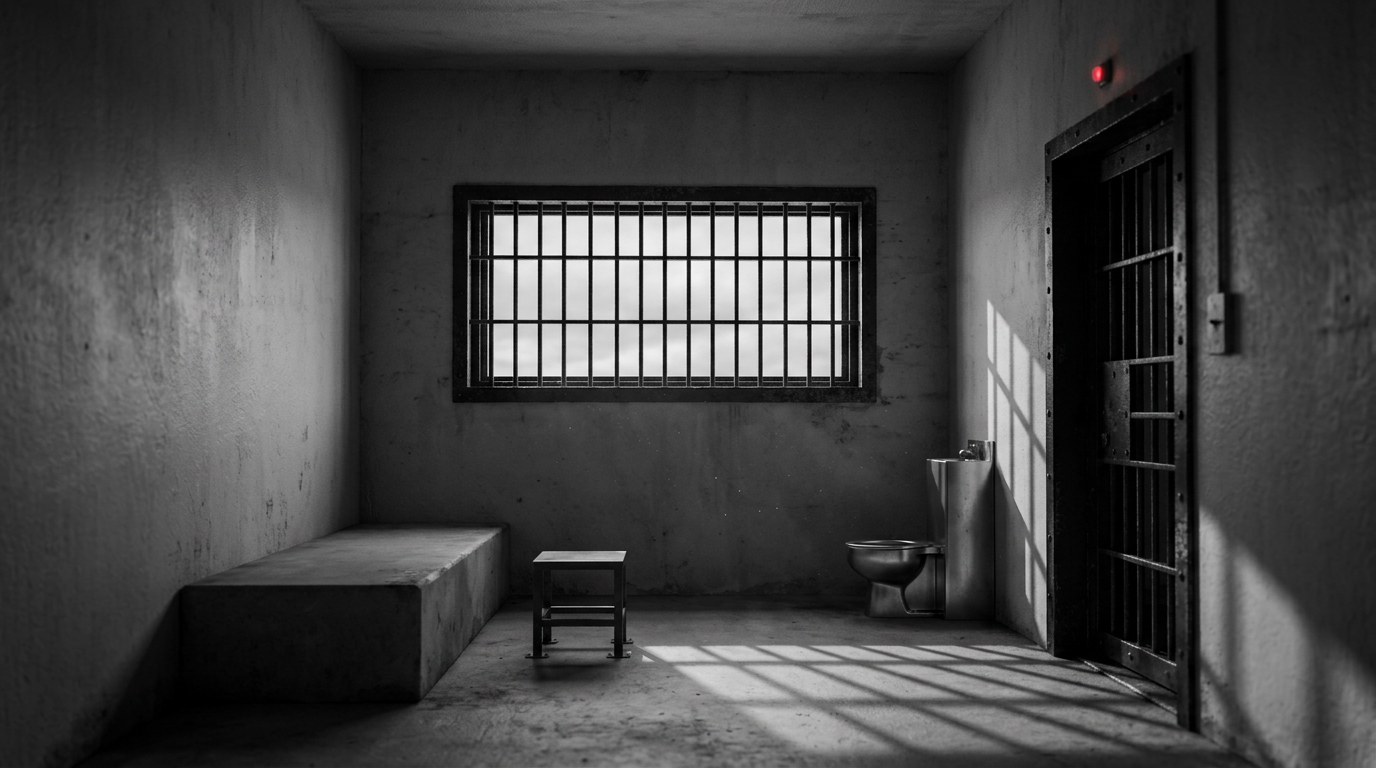
Japanese authorities carried out the execution of Sunao Takami, a 58-year-old inmate, on Friday. Takami was convicted for his involvement in a 2009 arson incident at a pachinko parlor in Osaka, which tragically resulted in the deaths of five individuals. This marks the first implementation of capital punishment in Japan since the execution of Takahiro Shiraishi in 2023, ending a period exceeding a year without such a sentence being enforced.
Takami's conviction stems from a 2011 ruling, following an extensive review of his case by a judicial panel. The panel dismissed arguments concerning his mental capacity, ultimately determining that he deliberately ignited gasoline inside the gaming establishment. The resulting fire caused the deaths of four customers and one employee. The Ministry of Justice confirmed that the execution order was issued only after a thorough examination of all case files, ensuring adherence to due process.
Capital Punishment Practices in Japan
Japan stands as one of only two G7 nations that continue to implement capital punishment, with the United States being the other. This position distinguishes Japan among its leading industrialized peers, most of whom have abolished the death penalty. Executions in Japan are typically carried out by hanging.
A contentious element of Japan's judicial procedure for death row inmates involves the notification protocol. Inmates are generally informed of their impending execution mere hours before it occurs. This practice has attracted significant criticism from international human rights organizations, which argue that it deprives inmates of sufficient time for final preparations or appeals.
Public Opinion and International Scrutiny
Within Japan, domestic surveys consistently show substantial public support for capital punishment. This widespread support frequently serves as a primary justification for the government's continued enforcement of the death penalty. However, international human rights bodies persistently challenge the policy, raising various concerns.
Critics frequently highlight issues such as the prolonged solitary confinement often endured by prisoners awaiting execution. Furthermore, they considerable reservations regarding the lack of transparency surrounding the scheduling of executions, contending that the secrecy contributes to a system lacking adequate oversight. These concerns remain central to ongoing discussions about Japan's judicial system on the global stage.