Japan Invests ¥631.5B in Rapidus for 2nm Chip Race
Japan funds Rapidus with an extra ¥631.5bn ($3.96bn) to speed R&D, lifting total aid to ¥2.354tn; 2nm output planned FY2027.
Jason Kwon ·
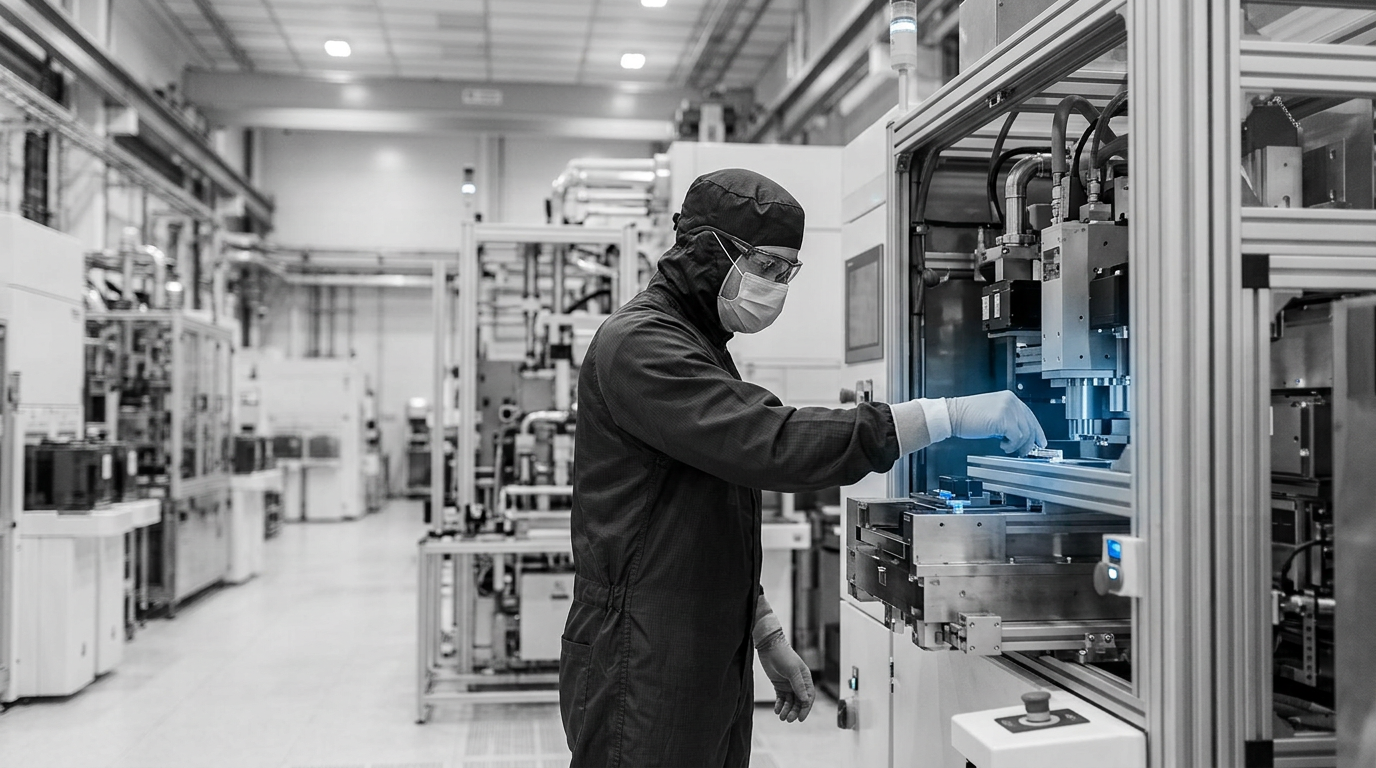
Japan’s industry ministry said on Saturday, April 11, that it will provide an additional 631.5 billion yen ($3.96 billion) to chipmaker Rapidus to speed up the company’s research and development work. Officials framed the move as part of a wider government effort aimed at strengthening Japan’s domestic capacity for advanced semiconductors and reinforcing chip supply chains inside the country.
The ministry said the latest allocation lifts Rapidus’ total research and development assistance to 2.354 trillion yen. Rapidus is working on next-generation logic semiconductors at the 2-nanometre scale, and the company plans to begin mass production in the fiscal year 2027.
The announcement follows earlier funding steps involving both private and public money. In February, Rapidus secured approximately 160 billion yen in private investment. That was paired with a planned 250 billion yen from the government, according to the information provided alongside the latest funding decision.
Alongside the Rapidus support, the New Energy and Industrial Technology Development Organization (NEDO), which operates under the ministry, said it will back semiconductor design-related projects involving Fujitsu and IBM Japan. The ministry’s statement linked these efforts to a broader strategy to expand advanced semiconductor activity within Japan, spanning both manufacturing ambitions and design-focused work.
Officials described the combined investments as part of Japan’s strategic push to rebuild its standing in the global semiconductor industry. The ministry’s approach, as outlined, centers on accelerating domestic development of leading-edge logic chips while also supporting related design initiatives through NEDO-backed projects.
What remains unclear from the announcement is how the additional 631.5 billion yen will be distributed across specific Rapidus milestones, and how the NEDO-backed design projects will be structured and timed. The ministry also did not provide further detail in the statement on how progress toward the fiscal year 2027 mass-production plan will be measured or reported.