Jan. 6 prosecutions close as Oath Keepers case ends in DC
A judge dismissed the last Oath Keepers indictment, ending Jan. 6 prosecutions as clemency and appeal requests reshape the federal case record.
Sophie McAlister ·
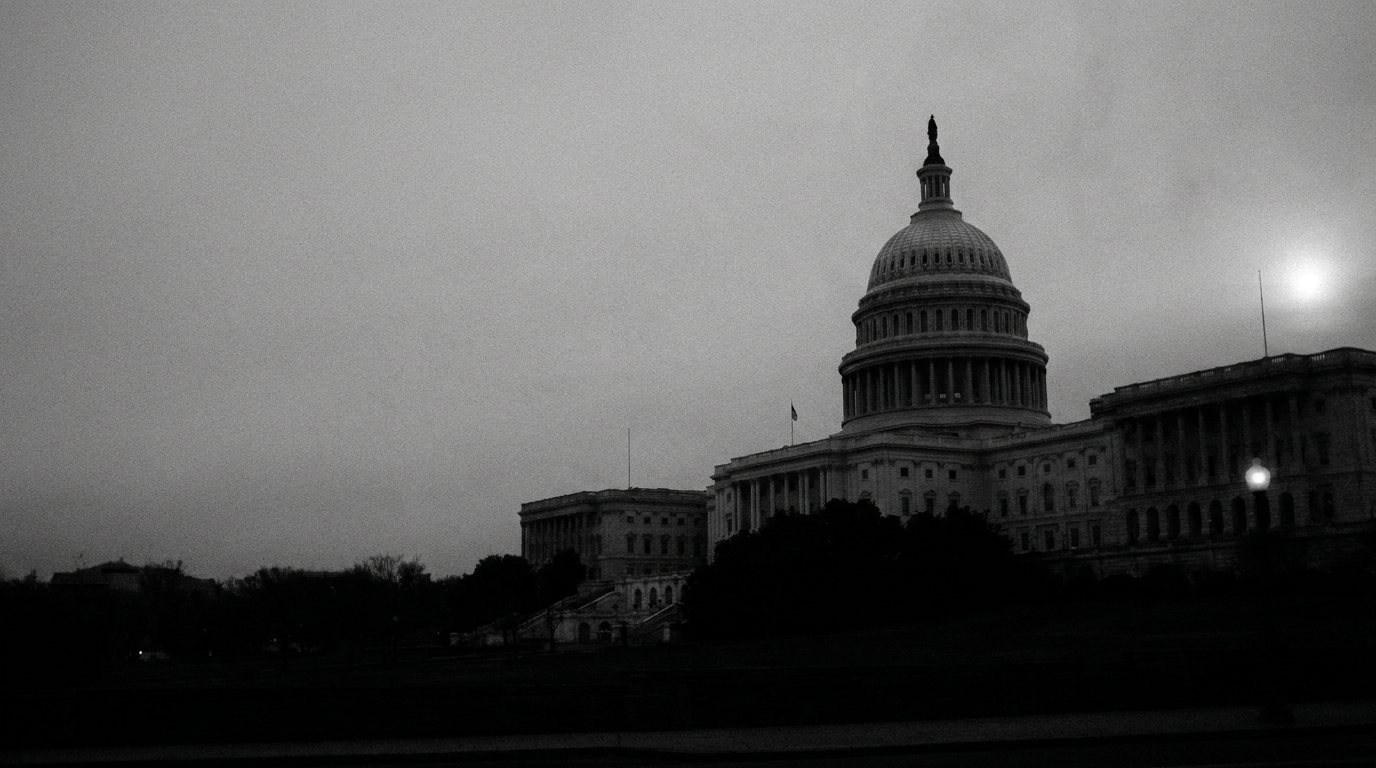
Jan. 6 prosecutions reached their final stage after a federal judge dismissed the last Oath Keepers indictment at DOJ's request.
Mehta closes Oath Keepers case
Judge Amit Mehta on Tuesday granted the Justice Department's request to dismiss an indictment against Oath Keepers members who had already been freed by President Trump. The order disposed of one of the remaining cases tied to efforts by far-right group leaders to challenge the transfer of power.
Mehta wrote that the ruling carried unusual weight for the federal court in Washington. He described it as "the last of the prosecutions seeking to hold accountable those responsible for the events of January 6" and added, "That book is now closed."
The judge did not frame the dismissal as approval of the administration's posture. Mehta wrote that the court could not choose another result, even as he referred to an ending that lessened the events of that day and disparaged the work of prosecutors and law enforcement.
Clemency reshapes prison terms
The order followed recent court action in the final two cases involving leaders of the Proud Boys and Oath Keepers. Federal prosecutors had accused leaders in both organizations of helping organize a plan to obstruct the transfer of presidential power.
Members of both groups were convicted of seditious conspiracy in the high-profile cases. Henry "Enrique" Tarrio, who led the Proud Boys, received a 22-year prison sentence, the longest sentence cited in the Jan. 6 case records provided; Stewart Rhodes of the Oath Keepers received an 18-year term.
President Trump pardoned Tarrio in an initial clemency action after returning to office. Other members of the far-right groups had their sentences reduced through commutations, cutting short prison terms that had been imposed after the convictions.
A record survives dismissals
Brendan Ballou, founder of the Public Integrity Project and a former federal prosecutor who resigned from the Justice Department after the Jan. 6 pardons, said the cases still left a public account. He said the court record matters even after the prosecutions have ended.
"This was always a risk, and why I think the prosecutions were so important," Ballou said. "Because it's a historical record that, try as he might, Donald Trump is not successfully erasing."
For Washington, the endpoint is legal as much as civic. The prosecutions produced testimony, exhibits, sentencing findings and judicial orders that now sit alongside a new federal stance toward defendants who were once central to the government's Jan. 6 case strategy.
The shift is also institutional. A Justice Department that once pursued the cases is now asking courts to unwind remaining consequences, while judges have made clear that dismissal orders do not require them to endorse the administration's view of the day.
Appeals court decision remains
Earlier this year, the Justice Department asked an appeals court to vacate remaining convictions in related Jan. 6 matters. That request is the next procedural marker for the remaining legal record, even though clemency has already changed the practical consequences for several defendants.
If the appeals court grants the request, the formal record of convictions would narrow further and the administration's approach would reach beyond clemency into appellate cleanup. If the court declines, some convictions could remain on the books despite pardons or commutations that have already reduced punishment.
The wider effect will fall first on federal law enforcement and politically charged prosecutions. Future administrations, judges and prosecutors will be reading not only the dismissed indictments and trial records, but also the written limits Mehta and other judges placed around their own authority.