High Court Reshapes Voting Rights Landscape
The Supreme Court's Louisiana v. Callais ruling redefines racial gerrymandering, potentially weakening the Voting Rights Act's protections.
Cuneyd Erdogan ·
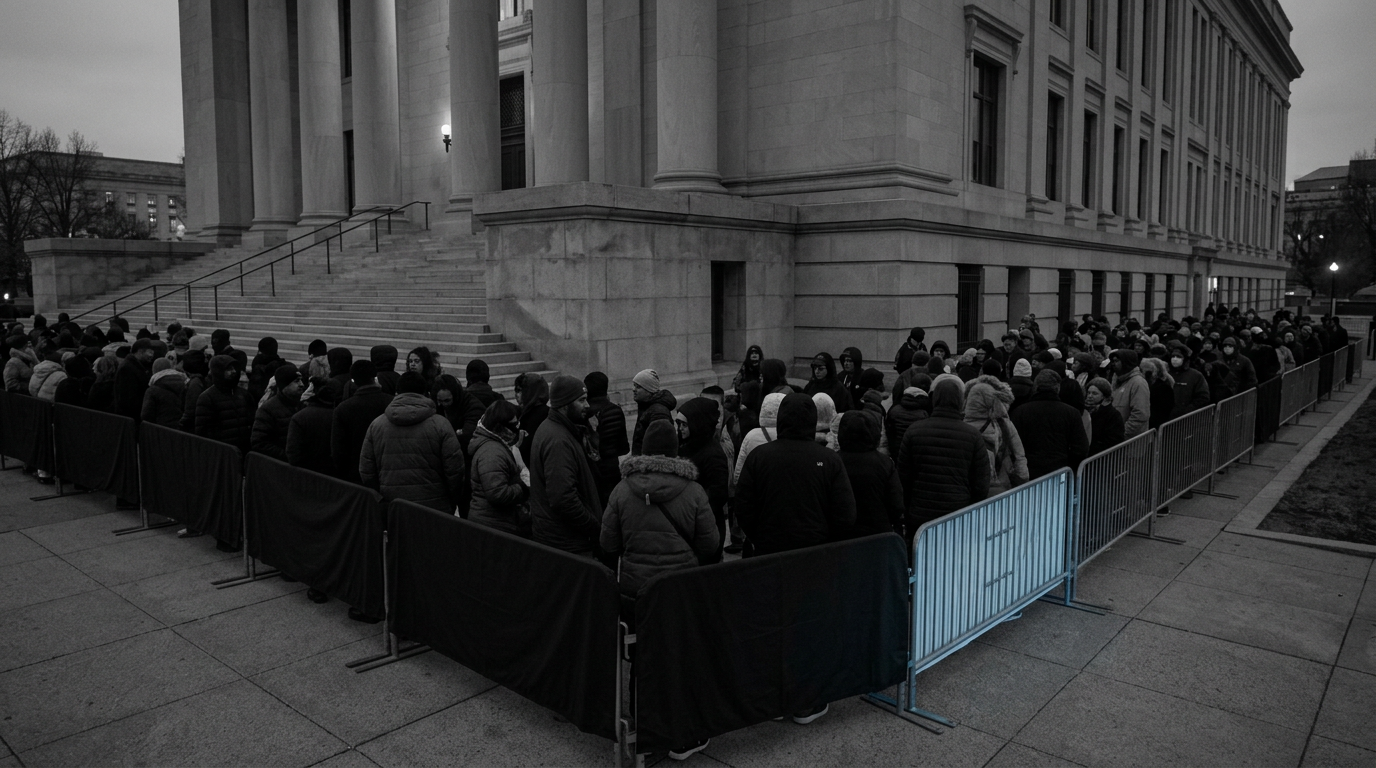
Supreme Court Redefines Voting Rights Act The U.S. Supreme Court, in its recent ruling in Louisiana v. Callais , determined that legislative districts polarized along party lines cannot simultaneously be considered polarized along racial lines under the Voting Rights Act. This decision, issued by the court's conservative majority, effectively reinterprets the application of the Voting Rights Act in cases involving alleged racial gerrymandering.
The ruling's mechanism relies on the premise that if a district exhibits partisan polarization, it negates the possibility of racial polarization, even in contexts where race significantly influences party affiliation. This approach has been criticized for potentially allowing racially discriminatory maps to be reclassified as merely partisan, thereby circumventing the protections intended by the Voting Rights Act.
For instance, over 90 percent of Black voters align with the Democratic Party, while over 70 percent of White voters align with the Republican Party, indicating a strong correlation between race and political affiliation.
The consequence of this interpretation is a potential nullification of the Voting Rights Act's provisions against racial vote dilution. Critics argue that by treating race and party as mutually exclusive explanations, the court's decision overlooks the historical and systemic factors that have led to racial groups predominantly aligning with specific political parties.
This framework, they contend, provides an intellectual basis for rulings that might otherwise appear to be direct challenges to racial equality in voting.