Israel Lowers Gasoline Prices, Signals Coalition Pressures
Israel's Finance Minister Bezalel Smotrich approved a 50 agorot gasoline tax cut until October 31, reflecting economic policy and political strategy.
Omar Farouk ·
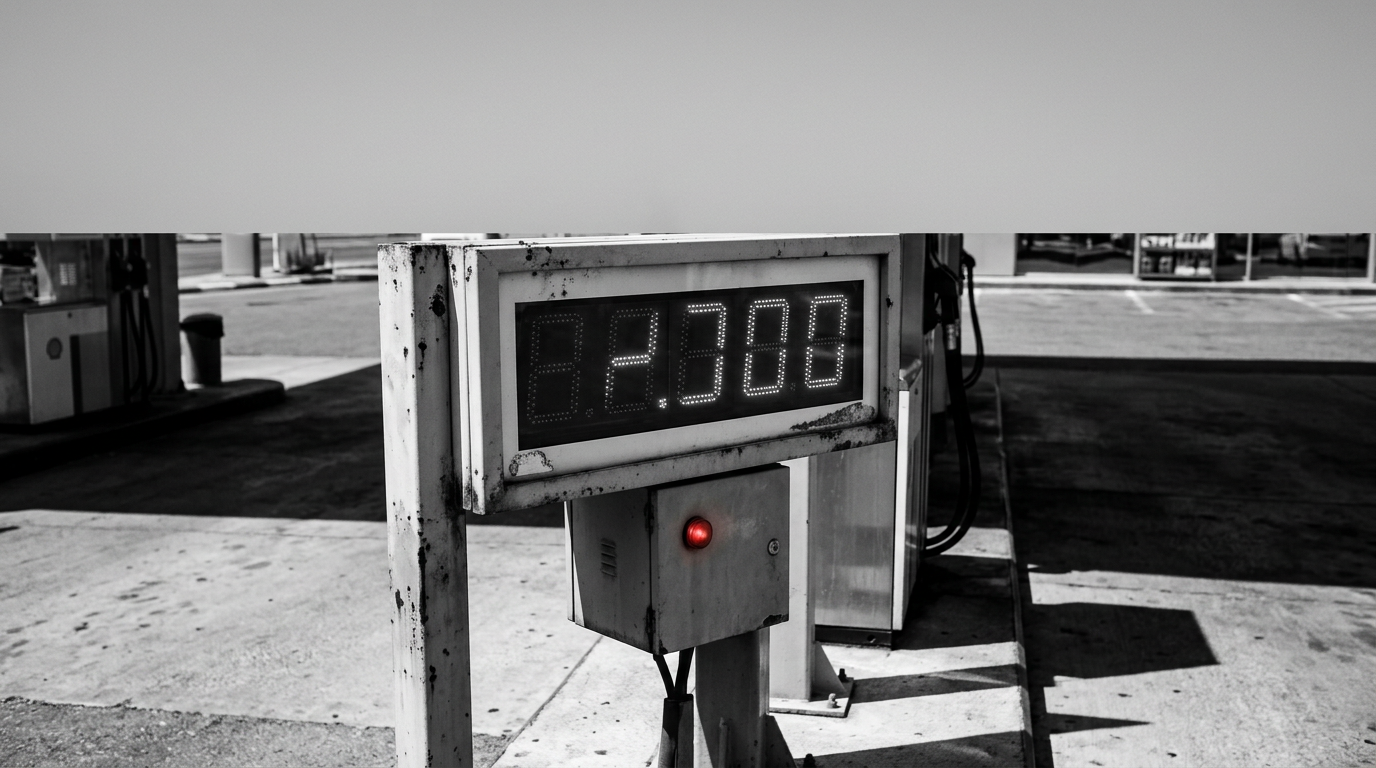
Government Acts on Fuel Costs
Israel's Finance Minister Bezalel Smotrich approved a temporary reduction of 50 agorot in gasoline prices, effective immediately. This excise tax relief, which translates to a saving of approximately $0.13 per liter, will remain in place until October 31. The timing places the expiration just four days before Israel's scheduled 2026 general election, raising questions about the policy's motivations.
Coalition Dynamics and Public Mood
The current Israeli government, a right-wing coalition led by Prime Minister Benjamin Netanyahu's Likud party, includes deeply conservative factions such as Smotrich's Religious Zionism and National Security Minister Itamar Ben-Gvir's Otzma Yehudit. This coalition has faced declining public approval ratings amid ongoing military operations and domestic economic challenges.
Public sentiment in Israel has been marked by Public sentiment in Israel has been marked by growing discontent over rising living costs and the government's perceived handling of both security and economic issues. Historically, Israeli governments have often utilized economic levers, such as tax adjustments or subsidies, to influence public opinion or stabilize political support, particularly in periods preceding elections or heightened social unrest.
Regional Stability Implications
While an internal economic measure, the Israeli government's decision on fuel prices carries broader implications for regional stability. Domestic political instability in Israel, often reflected in public protests or a fractured coalition, can impact its foreign policy posture, including relations with Arab states and its approach to regional conflicts.
Such actions also play into the wider economic dynamics of the Middle East. Although Israel is not a major oil exporter, its economic health influences regional trade and investment flows. Any perception of political vulnerability in Israel can also shift strategic calculations for other regional actors, potentially affecting everything from security alliances to discussions around critical maritime routes such as the Strait of Hormuz and Bab al-Mandab.
Potential for Early Elections With the 2026 election on the horizon The temporary nature and specific expiration date of the fuel tax cut suggest a possible connection to the political calendar. With the 2026 election on the horizon, some analysts suggest the move could be a pre-emptive measure to shore up public support or an indicator of potential early elections if the coalition's stability continues to erode. The government may be testing public reaction to targeted economic relief as a strategy to mitigate broader dissatisfaction. Statements and Economic Indicators Observers will monitor any statements from key coalition partners or opposition figures concerning this gasoline price cut or broader speculation about early elections. Further, the government's handling of other significant cost-of-living issues, such as housing and food prices, will be critical. The trajectory of inflation and unemployment figures in the coming months will provide additional context for evaluating the political impact of this policy.
Future Coalition Stability
Should the government's approval ratings continue to decline, or if internal coalition tensions significantly increase, this could lead to more overt calls for early elections. Conversely, an extension of the temporary excise relief, or if the government stabilizes its political standing through other means, would deflect pressure for an early vote. The coming months will clarify whether this economic intervention served its intended political purpose.