Himalayan Floods: Rescue Efforts Persist as Nepal Seeks Climate Aid
Rescue operations in the Himalayas are in their twelfth day following devastating floods, as Nepal seeks UN climate disaster funds.
Lauren Collins ·
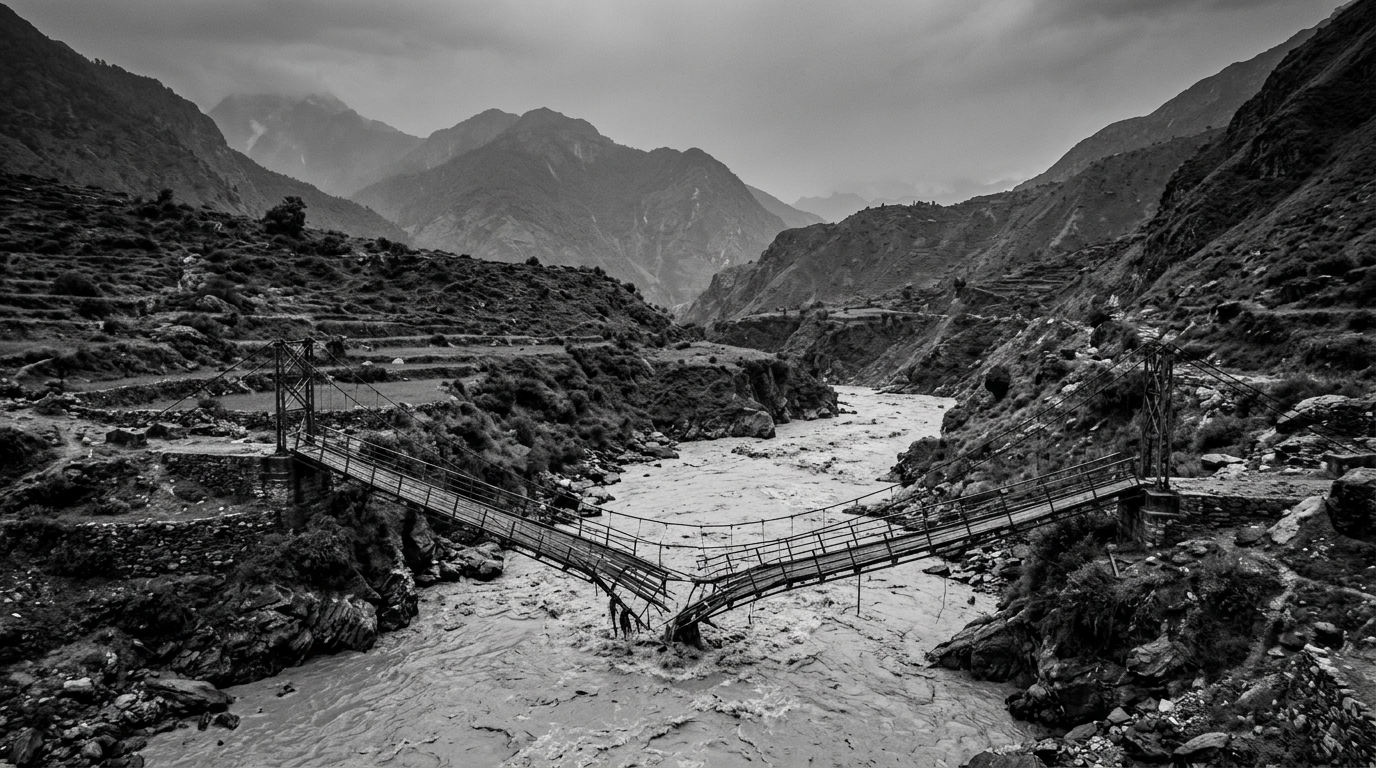
Search and rescue missions are continuing in the Himalayan region for the twelfth consecutive day, following catastrophic floods that have left more than 5,500 people unaccounted for. Authorities in both Nepal and China are intensifying efforts to locate missing individuals after the disaster, which is believed to have been caused by a glacial collapse last month. The confirmed death toll currently stands at 1,384 across both nations, with Nepal reporting 1,341 fatalities and Tibet confirming 43.
Recovery operations are encountering significant obstacles, including treacherous terrain, ongoing severe weather conditions, and the persistent threat of secondary landslides. In China's Gyirong area, specialized teams are deploying heavy machinery and ground-penetrating radar to clear debris from a damaged customs facility. While four individuals were successfully rescued from hydropower tunnels on Friday, officials noted that geographical barriers and limited connectivity continue to hinder progress in remote affected zones.
Nepal's Call for Global Climate Compensation
In response to the extensive destruction and considerable loss of life, the Nepalese government has formally requested support from the United Nations-backed Fund for Responding to Loss and Damage. Foreign Minister Shisir Khanal underscored the historical responsibility of major greenhouse gas-emitting nations to address climate-related disasters, highlighting the disproportionate impact experienced by developing countries.
The United Nations has launched an appeal for $50 million to provide crucial assistance to approximately 84,000 people displaced by the widespread flooding. This humanitarian crisis accentuates a broader global trend: experts indicate a nearly fivefold increase in the frequency of glacial floods since 1950. Such events impose substantial financial burdens on developing economies, often forcing them to divert essential development funds towards immediate emergency relief, thereby pulling resources away from long-term growth and infrastructure projects.
Outlook for Recovery and Long-Term Impact
The success of ongoing recovery efforts largely depends on the effectiveness of international aid and sustained commitment to rescue operations. Continued adverse weather conditions would likely prolong and complicate recovery, potentially leading to a higher final casualty count and further delaying humanitarian assistance. Conversely, a fully funded UN appeal and improved weather could accelerate aid distribution and support for the displaced population.
A significant long-term concern remains the fiscal strain on Nepal and other similar developing nations. The necessity of reallocating development funding for disaster response could adversely affect future economic growth, critical infrastructure projects, and overall societal resilience. This situation vividly illustrates the profound economic and social consequences of climate change, particularly for nations with limited resources and high vulnerability to environmental shifts.