UN Report Accuses Military Operations of Ethnic Cleansing in West Bank
A UN report alleges Israeli military actions in the West Bank from Jan-Feb 2025 constituted ethnic cleansing, displacing over 33,000 Palestinians.
Atlas Newsdesk ·
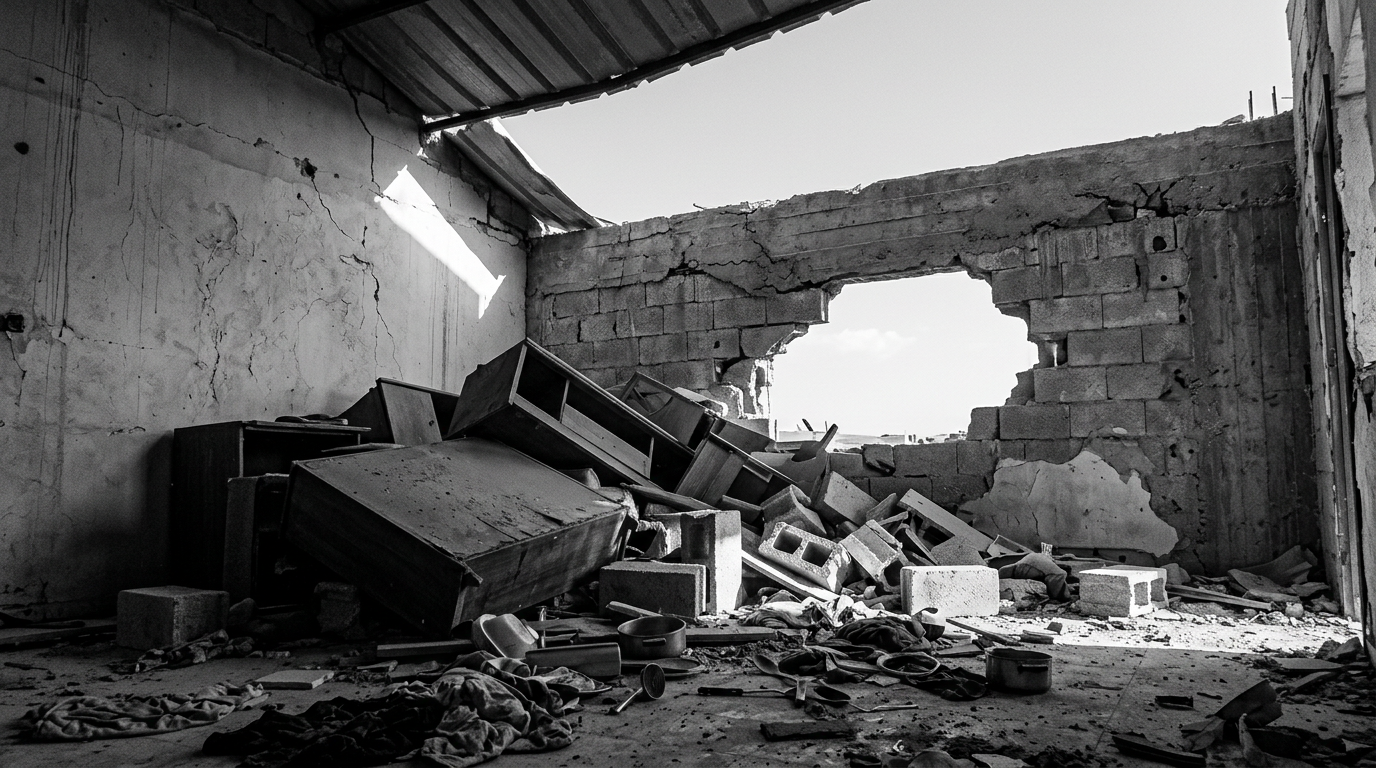
A United Nations human rights report, released on Friday, has raised serious allegations regarding Israeli military operations conducted in the West Bank. The document suggests that these actions, which took place from January to February 2025 during a campaign referred to as 'Operation Iron Wall', could amount to ethnic cleansing and collective punishment against the Palestinian population.
The Office of the High Commissioner for Human Rights (OHCHR) meticulously documented the forced displacement of over 33,000 residents during this period.
The report specifically details the impact of operations in refugee camps located in Jenin, Nur Shams, and Tulkarem. These findings underscore long-standing international concerns about the humanitarian situation and legal status of the occupied territories, adding a new layer of urgency to calls for adherence to international human rights and humanitarian law.
Allegations of Systematic Displacement
According to the UN report, the systematic use of airstrikes and heavy machinery to demolish residential areas rendered them uninhabitable. This method, the report indicates, points to a deliberate strategy aimed at facilitating permanent expulsion rather than solely addressing immediate military objectives. Such actions have been characterized as potential crimes against humanity, with particular emphasis on the forcible transfer of protected populations under international law.
The displacement mechanism described in the report involved not only extensive destruction of infrastructure but also direct orders from military personnel instructing residents to relocate, including to Jordan. The OHCHR recorded that 102 Palestinians, including 21 children, were killed throughout the 'Operation Iron Wall' campaign, highlighting the severe human cost of these alleged actions.
Calls for Immediate Cessation and International Law Adherence
In response to these findings, the United Nations has issued an urgent call for an immediate halt to these military operations. The international body also demanded an end to Israel's presence in the occupied territories, citing significant violations of international law concerning the treatment of refugees and protected civilian populations. This demand aligns with numerous prior resolutions and reports from various international bodies addressing the conditions in the West Bank.
The report stresses the potential long-term implications of these alleged actions for regional stability and the fundamental rights of displaced communities. It reinforces the imperative for all parties to comply with international human rights and humanitarian law, particularly regarding civilian protection and preventing forced population transfers in conflict zones.
Historical Context of West Bank Settlements and International Law The West Bank, including East Jerusalem, has been under Israeli occupation since the 1967 Six-Day War. International law, specifically the Fourth Geneva Convention, prohibits an occupying power from transferring parts of its own civilian population into occupied territory. Similarly, it prohibits the forcible transfer or deportation of protected persons from occupied territory. The establishment and expansion of Israeli settlements in the West Bank have consistently been deemed illegal under international law by the United Nations and most of the international community.
This ongoing situation has been a primary driver of conflict and human rights concerns in the region. Past reports from the UN and other human rights organizations have frequently detailed issues such as land confiscation, demolition of Palestinian homes, restrictions on movement, and violence against civilians.
The latest UN report appears to escalate the severity of these allegations by introducing terms like 'ethnic cleansing' and 'collective punishment', pointing to a potentially systemic approach to displacement.
Future Outlook and Diplomatic Challenges
The report's release is likely to intensify international pressure on Israel and complicate diplomatic efforts to achieve a lasting peace in the Israeli-Palestinian conflict. It provides further ammunition for international bodies and advocacy groups calling for accountability and greater protection for Palestinians in the occupied territories.
The United States and European Union, while often critical of settlement expansion, maintain strong ties with Israel, creating a complex diplomatic landscape.
The long-term implications include potential legal challenges in international courts and increased scrutiny from the International Criminal Court (ICC), which has an ongoing investigation into the situation in Palestine. The report's findings could also impact aid flows and political support for humanitarian initiatives in the region, emphasizing the urgent need for a resolution that respects international law and human rights.