Ecuador Defends Joint Anti
Ecuador defends joint maritime operations with the U.S. that sank suspected drug trafficking vessels, despite scrutiny and claims from crew families.
Lauren Collins ·
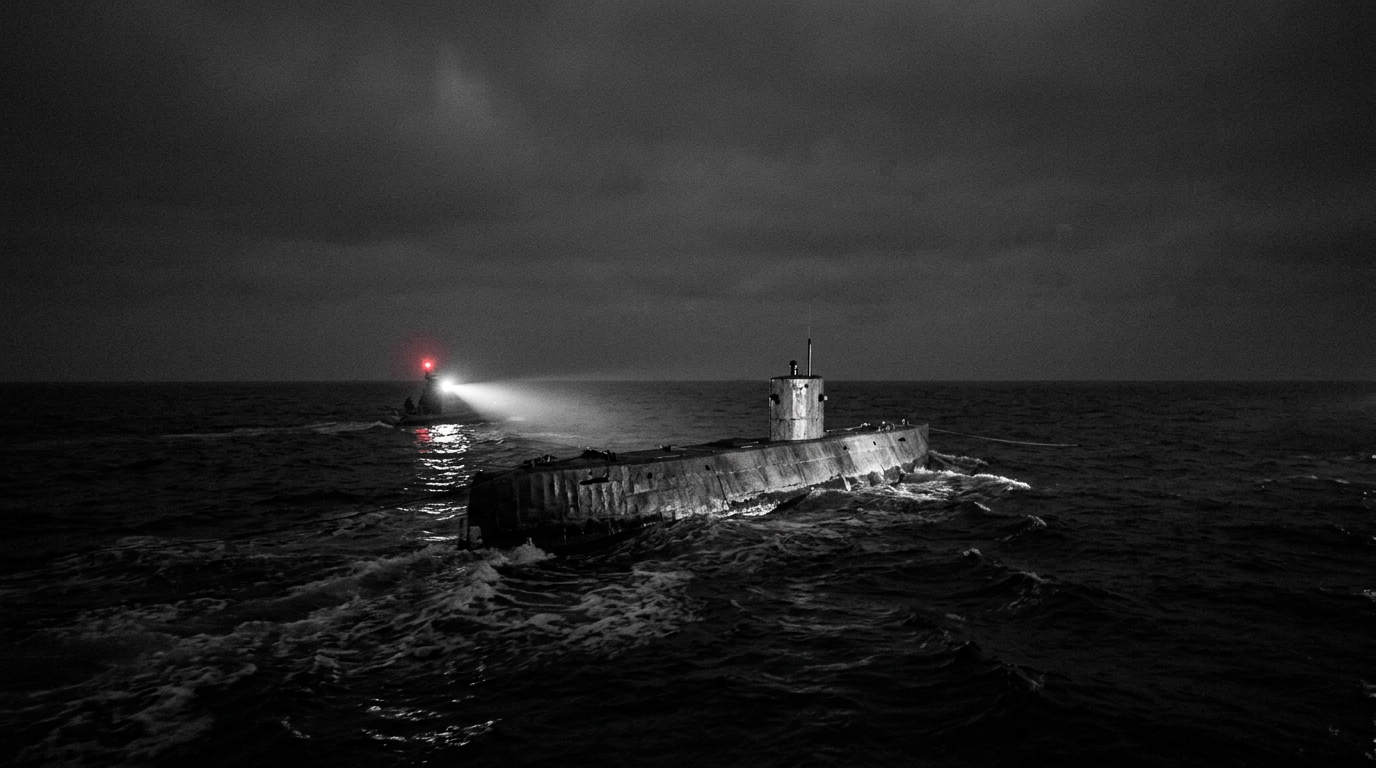
Ecuadorian authorities have formally defended joint maritime operations conducted with the United States in the Eastern Pacific Ocean. These actions led to the destruction of three vessels identified as part of a drug trafficking logistics network. Interior Minister John Reimberg confirmed on Friday that these operations were a component of a coordinated international strategy aimed at disrupting supply chains utilized by criminal organizations.
Specifically, officials stated the efforts targeted the logistical support systems of the Los Choneros gang, which reportedly transports narcotics towards Mexico and the United States. The U.S. Southern Command (SOUTHCOM) indicated that the interdicted vessels functioned as mobile refueling stations for speedboats engaged in illicit trade. After being boarded and having 28 crew members removed, U.S. forces destroyed the vessels at sea. The detained individuals were subsequently transferred to the custody of the Ecuadorian navy at the port of Manta for ongoing investigations.
Intensified U.S. Maritime Campaign
These recent operations are part of an escalated U.S. maritime campaign, which has drawn considerable scrutiny, particularly regarding the use of force in international waters. While authorities maintain that the vessels were integral logistical assets for drug cartels, family members of the detained crew have put forward counter-claims. They allege that those aboard were legitimate fishermen and that no narcotics were recovered during the interdictions. This controversy follows a series of U.S. operations in late August that resulted in six confirmed fatalities, escalating concerns over the tactics employed.
A broader policy implemented by the U.S. administration frames the ongoing campaign against drug-trafficking organizations as a non-international armed conflict. Relatives of the crew members involved have accused the U.S. military of acting without sufficient evidence. For instance, the wife of one crew member stated that her husband was engaged in fishing activities when U.S. forces boarded their vessel, reiterating that no drugs were found on board.
Previous Fatal Incidents and Context
SOUTHCOM has previously confirmed a separate incident on August 23 where an attack resulted in the deaths of two individuals. Another strike conducted two days later led to four additional fatalities. These events highlight the increasing intensity and potential for conflict in the international effort to combat maritime drug trafficking. The operations often occur in remote parts of the Eastern Pacific, a key transit zone for illicit drug shipments originating from South America.
The strategic importance of these waters for drug cartels stems from their vastness, which complicates interdiction efforts. The use of 'narco-submarines' and specialized refueling vessels underscores the sophistication of these criminal networks. Ecuador, situated along major drug routes, has become a critical partner in these regional anti-narcotics initiatives, facing its own internal challenges with rising crime and gang activity linked to transnational drug trade. The joint operations aim to disrupt these established routes and networks, albeit with significant humanitarian and legal complexities.