Iran Rejects US Demands After Truce Ends
Tensions between the United States and Iran have risen following the expiration of a 60-day ceasefire memorandum, leading to renewed military exchanges.
Atlas Newsdesk ·
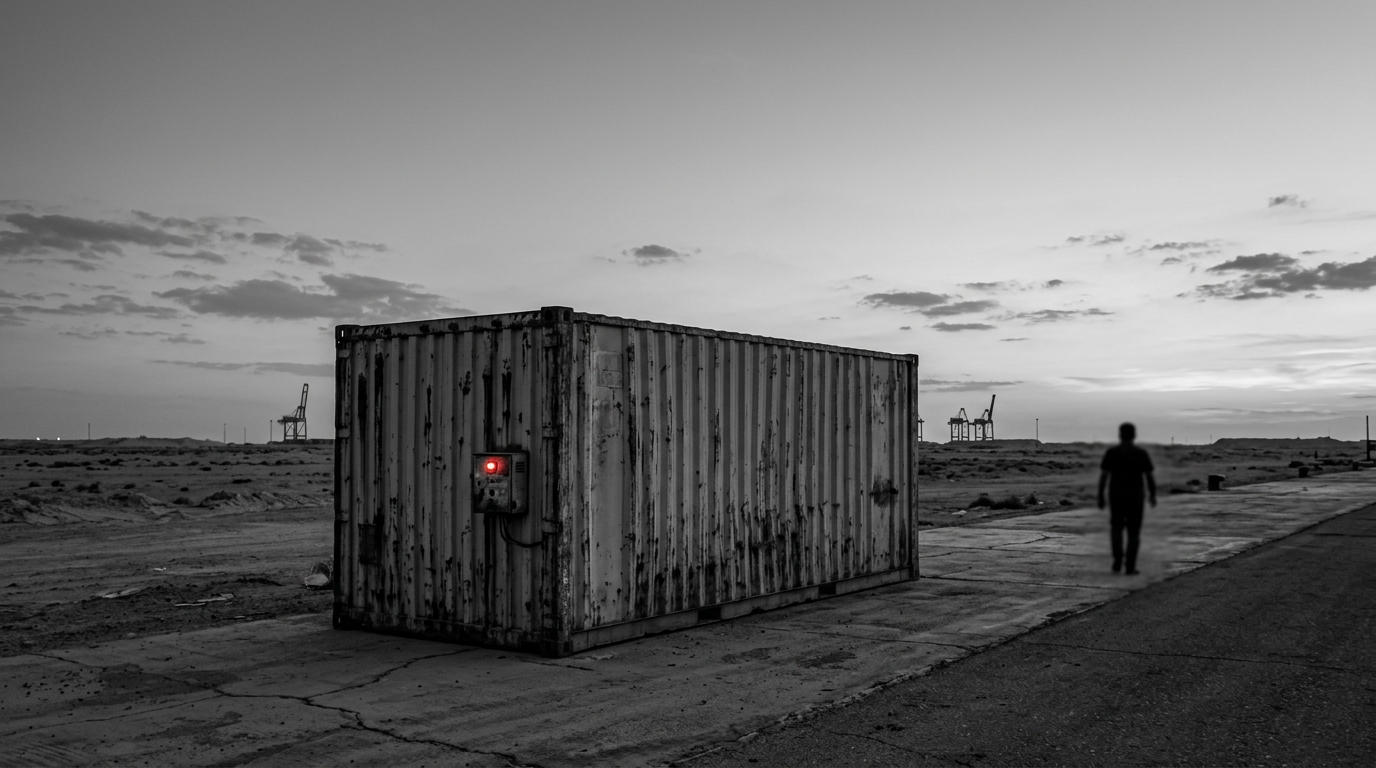
A 60-day Memorandum of Understanding (MOU) aimed at establishing a permanent ceasefire between the United States and Iran has concluded without achieving its primary. The expiration of this agreement has led to a strategic deadlock, intensifying a conflict now in its seventh month. The period of temporary calm has ended, replaced by renewed military activities and an ongoing economic blockade against Iran.
Washington is currently employing a dual strategy, combining targeted military operations with extensive economic sanctions. These measures are designed to pressure Tehran into diplomatic negotiations. While these efforts have succeeded in maintaining commercial shipping through the critical Strait of Hormuz, preventing a major global oil price surge, they have not yet facilitated the desired diplomatic breakthrough.
Tehran's Resilience Amidst Pressures
Iran has consistently shown resilience in the face of external pressures, implementing a policy of calibrated military responses. The nation is also reportedly preparing for prolonged economic isolation. Analysts suggest that existing sanctions are unlikely to alter Tehran's strategic calculations.
Instead, Iranian authorities appear to be anticipating potential concessions from the U.S. administration as a prerequisite for engaging in meaningful dialogue. This stance indicates a deep-seated distrust and a firm commitment to its current policy trajectory.
Strait of Hormuz Significance
The Strait of Hormuz remains a key area of global concern. This narrow maritime passage connects the Persian Gulf to the open ocean and is crucial for international energy markets. Approximately one-fifth of the world's total oil consumption and a substantial portion of its liquefied natural gas shipments traverse this waterway.
Any disruption in the Strait of Hormuz could directly impact global energy prices and supply chains, underscoring the significant economic stakes involved in the ongoing confrontation. The continued stability of this route is vital for global commerce and energy security.
Ongoing Diplomatic Stalemate
The absence of a clear resolution path suggests continued instability in the region. The failure of diplomatic initiatives not only prolongs the immediate conflict but also keeps the global economy vulnerable to interruptions in crucial maritime trade routes. This scenario highlights the extensive geopolitical and economic consequences of the protracted U.S.-Iran standoff.
Historically, periods of heightened tension between these two nations have often led to unpredictable outcomes. Both sides have previously demonstrated a capacity for calibrated actions, but the current impasse points to a deeper reluctance to de-escalate without substantial policy shifts. The international community is closely monitoring developments, aware of the potential for broader regional and global repercussions if a diplomatic solution remains out of reach. The initial MOU was an attempt to create space for dialogue, building on prior diplomatic efforts concerning Iran's nuclear program and regional influence, but its collapse signifies a failure to reconcile fundamental disagreements, setting the stage for continued friction.