Iran Strikes US Bases as Israel Warns of Escalation
Missile attacks struck US-hosting bases in UAE and Kuwait, as Israel warned Iran might escalate amid economic and internal pressures.
Lauren Collins ·
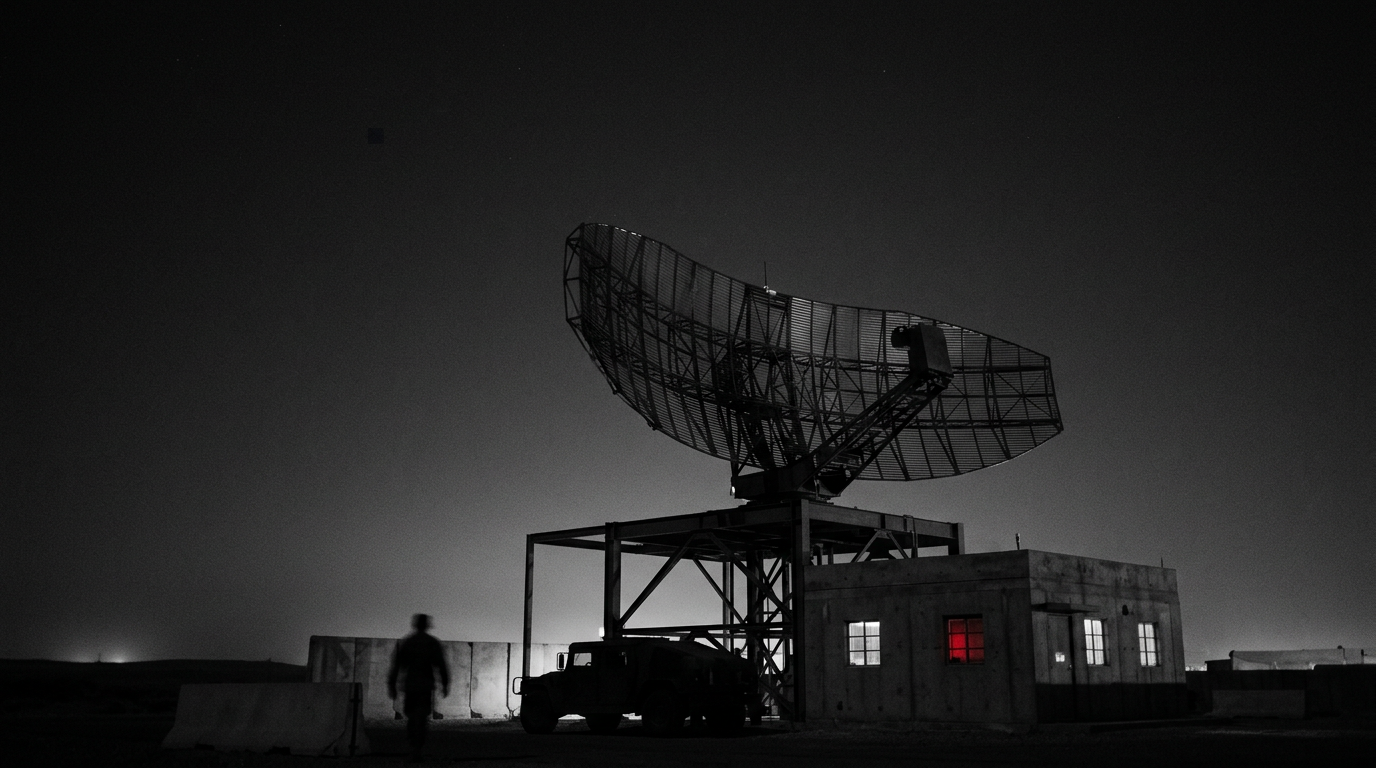
Air bases in both the United Arab Emirates (UAE) and Kuwait, which host United States military personnel, were recently targeted by missile attacks. These incidents occurred shortly after Israel's defense chief issued a cautionary statement, suggesting that Iran could escalate its actions due to severe economic strain and concerns about its internal stability. The strikes demonstrated Iran's ongoing capability to target facilities across the Gulf region that house American forces and assets.
This persistent ability has been evident despite over half a year of regional conflict and the implementation of a new sanctions regime. The previous US administration had described these sanctions as an "economic D-day," designed to exert maximum financial pressure on Tehran. Officials did not immediately release detailed information regarding the precise nature or extent of the damage caused by these recent missile attacks. The targeting of these bases comes as the US president has issued explicit threats regarding potential retaliatory measures, highlighting the complex and volatile security environment throughout the Middle East.
Regional Security Dynamics
Actions undertaken by Iran, such as these missile attacks, underscore the intricate security landscape prevalent in the Middle East. Geopolitical rivalries, combined with persistent economic hardships, continue to fuel instability across the region. Regional observers frequently highlight Iran's military capabilities, particularly its missile programs, as a crucial component of its foreign policy and overall defense strategy.
Current events reflect a long-standing pattern of alternating periods of escalation and de-escalation that have characterized US-Iran relations for decades. Incidents involving regional proxy forces or direct actions against US interests often coincide with periods of heightened diplomatic tension or increased economic pressure on Tehran. Such actions are commonly interpreted as Iran's attempts to demonstrate resolve and project power, especially when facing international isolation.
Economic Pressures and Potential Escalation
The assessment from Israel's defense chief emphasizes a growing concern that stringent economic sanctions might indeed compel Iran to adopt more aggressive postures. The underlying reasoning suggests that a regime perceiving existential threats domestically, compounded by financial difficulties, could view escalation as a strategic method to divert internal attention or extract concessions from the international community.
This perspective draws on historical observations regarding how nations under duress sometimes react to maintain internal stability and external influence. The overall effectiveness of sanctions in compelling changes in state behavior remains a significant topic of international debate. While sanctions are intended to induce policy shifts through economic pain, some critics argue they can, at times, harden a regime's stance, potentially leading to a more defiant and unpredictable foreign policy. The intricate interplay among domestic economic conditions, external pressures, and national security decisions forms a critical nexus for understanding the future geopolitical trajectory of the Middle East.
International powers are closely monitoring developments, particularly concerning the stability of global energy markets and critical maritime trade routes. The potential for miscalculation in this highly charged environment remains a significant concern for security analysts worldwide, emphasizing the need for careful diplomatic engagement.