US Bolsters Latin American Military Presence Against Drug Threats
The U.S. is expanding its military footprint in Latin America through new coalitions to combat drug trafficking and foreign influence, officials say.
Lauren Collins ·
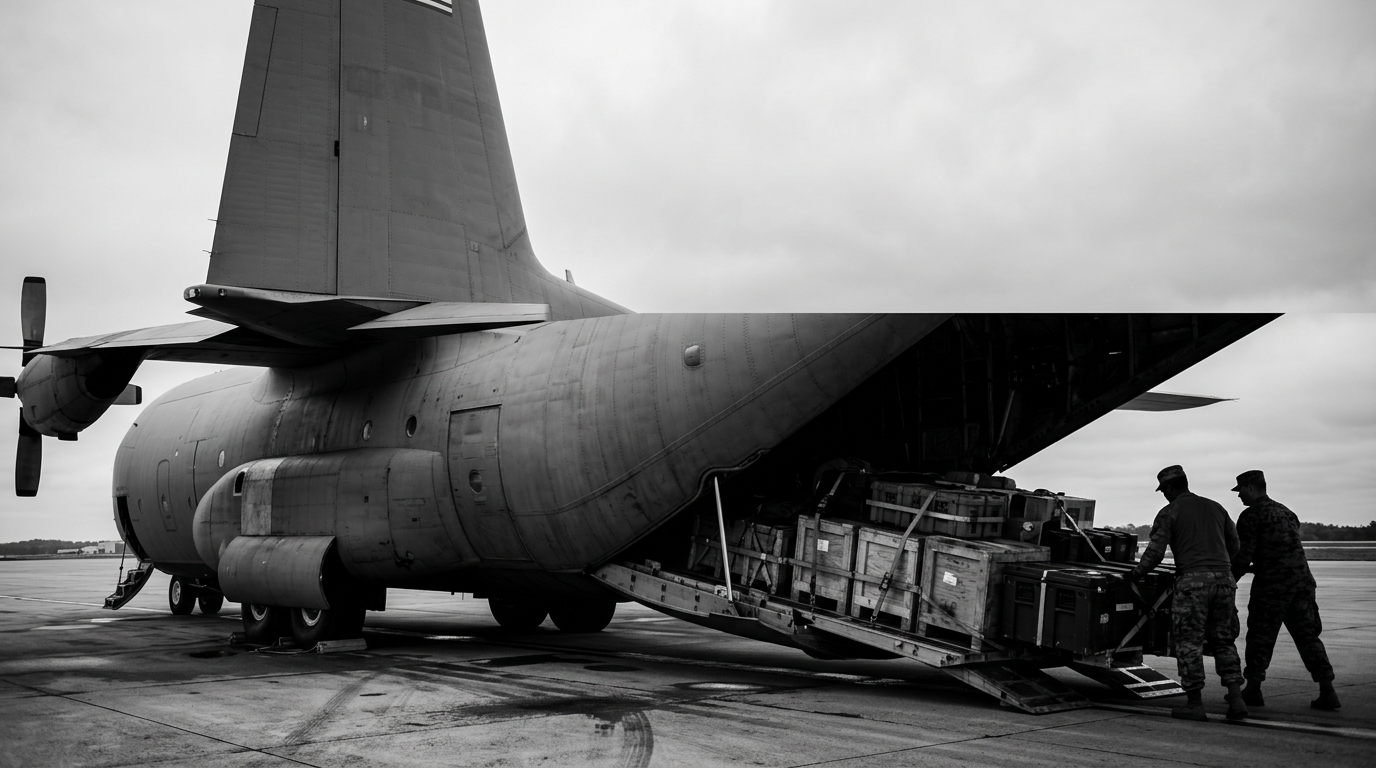
The United States is significantly augmenting its military engagement across Latin America through fresh strategic alliances. This initiative aims to counter narcotics trafficking and address what it perceives as growing foreign influence within the region. Key components of this expansion include the recently established Americas Counter-Cartel Coalition (ACCC) and the Western Hemisphere Joint Task Force, signaling a notable shift in regional security strategies.
The ACCC was formed in March 2026 under President Donald Trump, bringing together 17 regional nations. Its declared purpose is to synchronize security operations targeting drug cartels and to address the increasing presence of foreign actors, particularly China. This coalition represents a move toward more direct intervention, characterized by coordinated airstrikes and maritime operations conducted throughout the region.
Intensified Regional Operations
Recent operational activities underscore this heightened military posture. The "Southern Spear" operation, a significant effort in the region, has resulted in at least 220 fatalities to date. Concurrently, new authorizations have been granted, permitting U.S. military operations within Colombian territory. This indicates deeper operational involvement in crucial areas of drug production and transit, directly targeting the source and pathways of illicit narcotics.
Further integrating this comprehensive approach, the U.S. Southern Command officially announced the creation of the Western Hemisphere Joint Task Force on August 4, 2026. This task force is designed to provide a centralized command and control structure. Its primary function is to coordinate diverse military activities across the Andean region, with the of streamlining operations and enhancing the overall effectiveness of multi-national efforts against organized crime.
Broader Strategic Context and Concerns
Analysts suggest that this evolving U.S. strategy could be seen as a contemporary interpretation of the Monroe Doctrine. This perspective indicates a prioritization of U.S. regional leadership over more traditional diplomatic methods. By integrating local military command structures with U.S. operational control, Washington seeks to secure the Andean arc, a geographical area considered critical for regional cocaine production.
However, this expansion of U.S. military influence has generated concerns regarding regional stability. Historical precedents, such as the widely discussed Plan Colombia, are frequently cited by observers. Critics have linked such interventions to increased civilian violence and a broader militarization of domestic security agendas in affected nations. The potential for similar outcomes raises important questions about the long-term impact on governance and human rights across various Latin American countries.
These initiatives aim to foster greater security collaboration but simultaneously introduce complex challenges concerning national sovereignty and internal stability within participating nations. The delicate balance between effectively combating transnational crime and diligently avoiding unintended consequences remains a central point of discussion among both regional and international observers.
Historical Parallels and Future Implications
The current U.S. approach draws comparisons to past military assistance programs, which often led to extended foreign military presence and domestic political complications. While the stated is to enhance regional security, the involvement of U.S. forces on foreign soil, especially with operational authorizations, inevitably raises questions about national autonomy and potential for escalation. The coordination with 17 nations through the ACCC underscores a multilateral facade for what remains a largely U.S.-led initiative, reflecting Washington’s ongoing strategic interests in its geopolitical backyard.
The focus on countering perceived foreign influence, specifically mentioning China, adds another layer of complexity. This broadens the scope of military operations beyond mere drug interdiction to a geopolitical competition within the hemisphere. Such a dual objective could lead to a more entrenched and expanded U.S. military role, influencing not only security but also economic and political alignments in Latin America. The long-term implications for regional stability, sovereignty, and the fight against drug trafficking will depend significantly on how these new coalitions manage their operational mandates and navigate complex local dynamics.