Putin Hints at Military Action Over UK Ukraine Aid
Russian President Vladimir Putin suggested military action against UK facilities over its support for Ukraine, calling it a "military secret" amid rising…
Lauren Collins ·
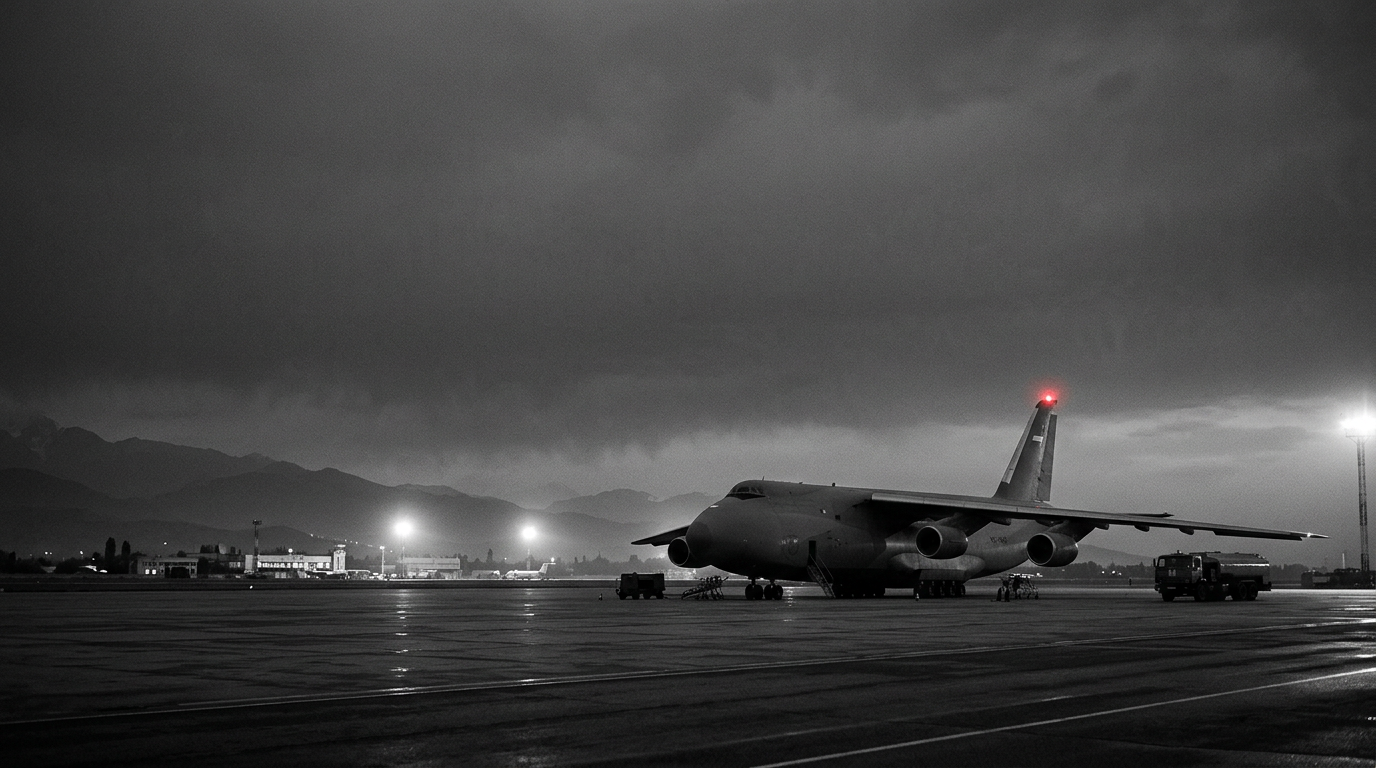
Russian President Vladimir Putin indicated on Thursday that military actions targeting facilities within the United Kingdom could not be discounted. Speaking at a press conference in Bishkek, Kyrgyzstan, Putin responded to questions about potential Russian reactions to ongoing British military assistance to Ukraine, describing any such retaliatory measure as a "military secret."
Observers interpret this statement as a deliberate psychological pressure tactic aimed at Western nations actively supporting Kyiv. During his remarks, President Putin referred to countries providing substantial backing to Ukraine as "sharks" working to undermine Russian sovereignty. Analysts suggest this rhetoric is consistent with a hybrid warfare strategy designed to cultivate uncertainty among European states aiding Ukraine.
Kremlin's Strategic Ambiguity
By maintaining an ambiguous stance regarding specific military intentions, the Kremlin aims to deter further material support to Kyiv. This approach simultaneously signals a more confrontational posture toward Western powers. Such pronouncements occur amidst heightened tensions across the European continent, amplified by recent developments.
These developments include accusations from German officials, who have reportedly linked Russia to a drone incident that took place at Leipzig airport. Such events contribute significantly to the broader climate of apprehension and mistrust currently existing between Russia and several European nations. The Kremlin's strategy appears to blend assertive rhetoric with potential avenues for dialogue.
Dialogue and De-escalation Conditions
Despite adopting a combative stance on the continuing conflict, President Putin also expressed a preference for engaging with designated U.S. envoys to explore potential negotiation pathways. This dual approach suggests a complex strategy that combines firm rhetoric with an apparent readiness for discussions, albeit on terms favorable to Russia.
While the Kremlin has signaled a willingness for discussions, Russian leadership remains unwavering in its commitment to securing peace terms that align with its established strategic objectives concerning Ukraine. The ultimate resolution and pathway to de-escalation for the conflict appear to depend on the capacity of both sides to discover common ground, even as they maintain deeply entrenched positions and differing priorities in the current geopolitical landscape, which suggests a prolonged period of strategic maneuvering.
A notable diplomatic interaction mentioned in this context was the absence of a meeting between President Trump and the CIA director during a recent visit to Moscow, highlighting the intricate nature of international engagements surrounding the conflict. This illustrates the complex and often indirect channels through which communication and influence are exerted in the current geopolitical climate, emphasizing that formal and informal interactions carry significant weight.
Historical Context of Tensions
The current situation builds upon a history of escalating tensions between Russia and Western nations, particularly since the 2014 annexation of Crimea and subsequent events in Eastern Ukraine. Western support for Ukraine, including military and financial aid, has consistently been viewed by Moscow as an infringement on its perceived sphere of influence and a direct threat to its security interests. This long-standing friction informs much of the present rhetoric and strategic posturing.
International observers continue to monitor these developments closely, as any escalation, rhetorical or otherwise, could have significant repercussions for global stability and European security. The interplay between assertive declarations and veiled openness to negotiation characterizes Russia's diplomatic engagement during this period.