

Israel Escalates Gaza, West Bank Operations Post
Israeli forces increased military activity in Gaza and the West Bank following a diplomat's exit on August 25, drawing international condemnation.
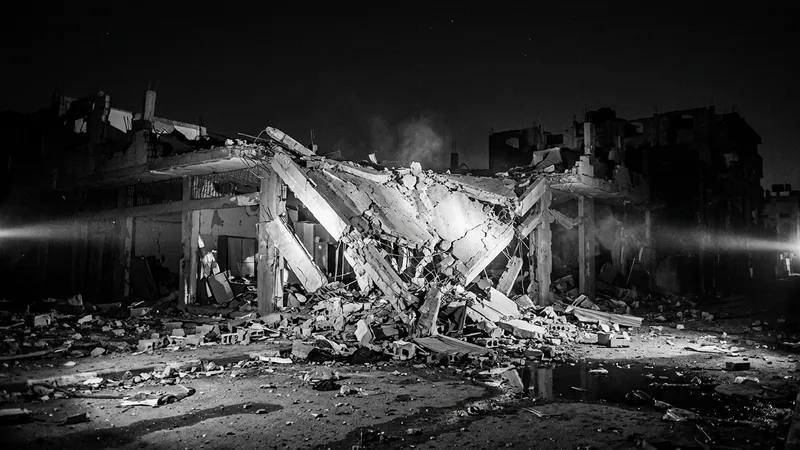
Israeli military operations in the Gaza Strip have intensified, alongside an expansion of raids across the West Bank, according to officials. This escalation began on August 25, shortly after a significant diplomatic figure departed the region. While international governments have voiced criticism, no immediate punitive actions against Israel have been announced.
The recent surge in activity signifies an expansion beyond previously established operational limits, officials stated. Military actions are now being reported within densely populated areas of Gaza, indicating a strategic shift in the campaign's scope. Simultaneously, new raids have been conducted in various parts of the West Bank, marking a broader engagement in the conflict.
International Response and Diplomatic Positions
Diplomats from major global centers, including Washington, Doha, and London, have publicly condemned the intensified Israeli military actions. These diplomatic statements conveyed strong disapproval regarding the rising violence. Despite the vocal criticism, diplomats noted that no new sanctions or direct military interventions had been declared at the time these reports emerged.
This situation highlights a potential disconnect between strong rhetorical condemnation and concrete international action. Observers are evaluating the long-term implications of such diplomatic responses, noting that a lack of immediate, tangible measures could influence the dynamics and trajectory of the ongoing conflict.
Economic and Regional Assessments
Market participants have begun to assess the potential economic ramifications stemming from the escalating conflict. Concerns have been raised regarding possible disruptions to regional energy flows, with some analysts suggesting a potential increase in demand for traditional safe-haven assets. However, trading desks emphasized that any significant market movements would largely depend on whether the violence extends beyond its current geographical scope.
Traders and oil market analysts have specifically identified the situation as an increasing risk to critical global supply routes. They highlighted the potential for heightened tanker insurance costs, particularly impacting maritime transport. Investors and policy teams are reportedly closely monitoring official statements from key international capitals and any incidents that might affect shipping lanes, especially within the upcoming 72-hour period.
Future Trajectory and Key Questions
Immediate questions for policymakers and international observers center on the potential for further expansion of military operations. Another critical point is whether international governments will move beyond verbal condemnation to implement concrete measures. The future course of the conflict remains uncertain, heavily reliant on these two primary factors.
These ongoing developments underscore the inherent fragility of the regional security landscape. They also highlight the complex interplay among military actions, diplomatic responses, and global economic sensitivities. The international community continues to monitor for any significant shifts in the operational scope or the nature of diplomatic engagement.
More stories
- Turkey Says It Extradited 736 Fugitives as US Watches Crime Cooperation
- Washington weighs Turkey union threshold as a civil society test
- Tornadoes in Western Sicily Cause Significant Infrastructure Damage and Injuries
- Bolsonaro Takes Early Lead in Tight Brazilian Presidential Race
- Putin relays Iran view to President Trump
- Red Cross says Gaza hostage access involved Haniyeh talks
- Nvidia Earnings to Detail Customer Diversification Efforts
- Dick's Sporting Goods Lowers Profit Outlook Amid Footwear Weakness
- Iran warns Gulf oil flows could stop over US sanctions plan
- Citi Raises Nvidia Revenue Forecast Ahead of Q1 Earnings