U.S. Plans Limited Iran Ground Raids, Officials Say
U.S. plans limited Iran ground raids as conflict enters month two, with officials citing Kharg Island and Strait of Hormuz targets and higher oil prices.
Lauren Collins ·
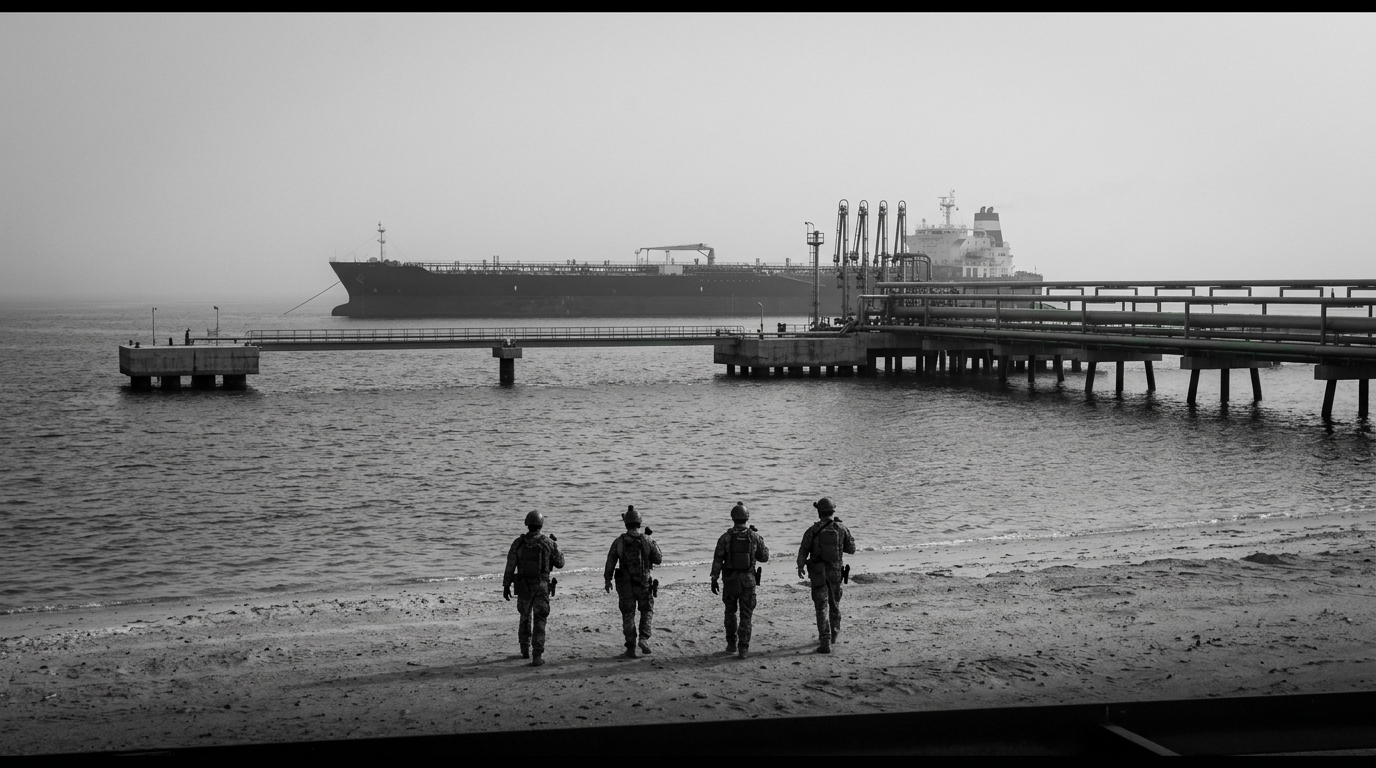
U.S. defense planning is shifting toward limited ground operations in Iran as the conflict moves into its second month and Washington increases troop levels across the Middle East. U.S. media reports dated Saturday, March 28, 2026, described preparations for raids focused on oil-linked infrastructure and nearby coastal positions. Officials cited in those reports framed the objective as stabilizing key maritime routes rather than launching a broad occupation.
According to two unnamed U.S. officials cited by The Washington Post, the Pentagon is weighing operations aimed at Kharg Island and coastal sites near the Strait of Hormuz. The officials said the potential missions would be designed to secure critical oil facilities and protect shipping lanes. The same accounts emphasized that the contemplated actions would not amount to a full-scale invasion.
Kharg Island was highlighted because it handles 90 percent of Iran’s crude oil exports, according to the officials cited. The Strait of Hormuz was also central to the planning because it is a major corridor for energy flows, carrying 20 percent of global oil and liquefied natural gas supplies. The reports said Iran has kept the strait largely closed since initial U.S.-Israeli strikes on Tehran a month earlier, tightening the movement of tankers and other commercial traffic.
Energy markets have reacted sharply to the disruption , with the reports pointing to a steep rise in benchmark prices. Brent crude was described as moving from roughly $65 per barrel before the conflict to nearly $116 per barrel after the closure and related escalation. The same reporting linked the price surge to the reduced ability to move oil and LNG through the waterway.
The potential ground actions were described as a mix of special operations and conventional infantry forces, tailored for high-intensity but limited missions. The deployments underway were presented as supporting efforts to stabilize the waterway and reopen shipping lanes, rather than preparing for a prolonged ground campaign. The reporting did not provide a timeline for any operation or detail specific rules of engagement.
U.S. force posture in the region has expanded since the conflict began , with nearly 7,000 additional U.S. soldiers sent to the Middle East, according to the same accounts. That increase adds to an existing presence of 40,000 to 50,000 personnel already stationed in the region. The reinforcements include the Tripoli and Boxer Amphibious Ready Groups, which add 4,500 Marines and sailors, as well as 2,000 soldiers from the 82nd Airborne Division.
While the reports outlined possible targets and troop movements, key uncertainties remain, including whether the Pentagon will authorize raids, how Iran would respond, and how quickly shipping could resume at scale. For global markets and governments, the immediate focus remains on whether access through the Strait of Hormuz can be restored and whether energy price volatility eases as a result.