Mideast Conflict Escalates: Oil Surges as Tehran Struck
Middle East conflict escalated on March 30, 2026 as strikes hit Tehran; Brent rose 2.98% to $115.93 amid global market upheaval.
Lauren Collins ·
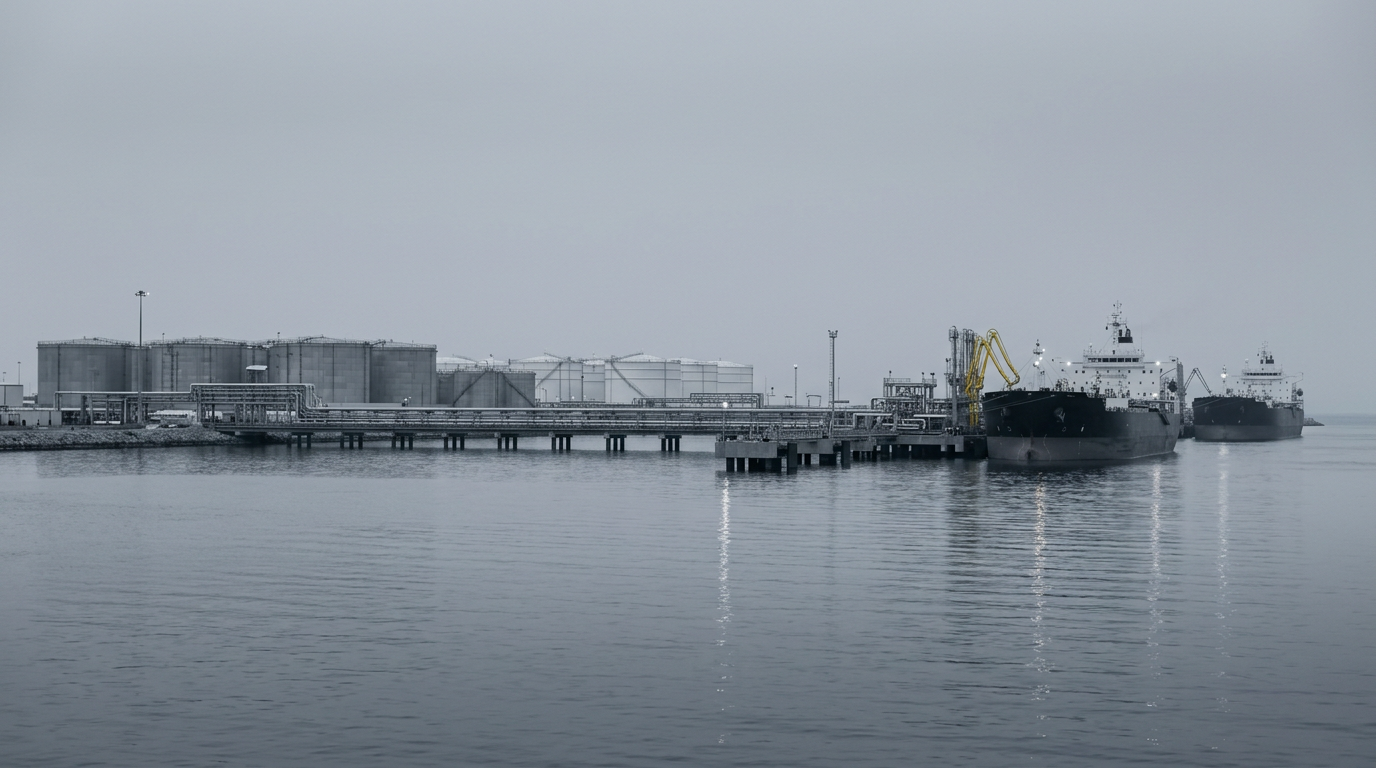
Overnight United States-Israeli strikes hit Tehran and other Iranian cities on March 30, 2026, targeting power-related infrastructure and triggering a blackout in Iran’s capital, according to Iranian authorities. Officials in Iran later said electricity had been restored after the attacks. The escalation reverberated across global stock markets and energy trading, with oil prices moving sharply higher.
Explosions were reported in Tehran and in Ray, while the Israeli military confirmed it had carried out attacks on Iranian government infrastructure. Additional strikes were reported in Karaj, Shiraz, Qom, Abadan, and Tabriz. In Tabriz, a petrochemical unit was reported to have been hit, adding to investor focus on potential risks to energy-related assets and regional supply chains.
In Washington, U.S. President Donald Trump said in an interview that he intended to “take the oil in Iran.” At the same time, Trump indicated he was willing to make a deal with Iran. Tehran, however, accused Washington of planning a ground attack despite public calls for a negotiated deal, underscoring the gap between stated diplomatic openness and the claims being exchanged by the two sides.
Iran’s parliament speaker, Mohammad Bagher Ghalibaf, warned that Iran would respond to any U.S. ground invasion. Separately, Pakistan, which hosted de-escalation talks, said it was preparing for further discussions. The combination of military action, warnings about possible next steps, and parallel diplomatic activity left markets weighing both the immediate damage reports and the uncertain trajectory of the conflict.
Oil markets reacted quickly. Brent crude rose 2.98 percent to $115.93 a barrel. The move left Brent up 62 percent since February 27, and the increase was described as exceeding the surge seen during Iraq’s 1990 invasion of Kuwait. The price action highlighted how rapidly geopolitical risk can be repriced when attacks are reported across multiple cities and when energy-linked facilities are cited among the targets.
What remains unclear is how the situation develops from here, including whether further strikes occur, whether any ground operation materializes, and how quickly diplomatic channels can reduce tensions. For global markets, the immediate focus is on energy costs and risk sentiment, while governments and companies monitor potential knock-on effects for trade flows and operational continuity tied to the region.