US Mulls Seizing Iran's Key Oil Terminal
U.S. weighs seizing Iran’s Kharg Island as conflict drives Brent above $116; Iran warns retaliation and regional talks continue in Islamabad.
Lauren Collins ·
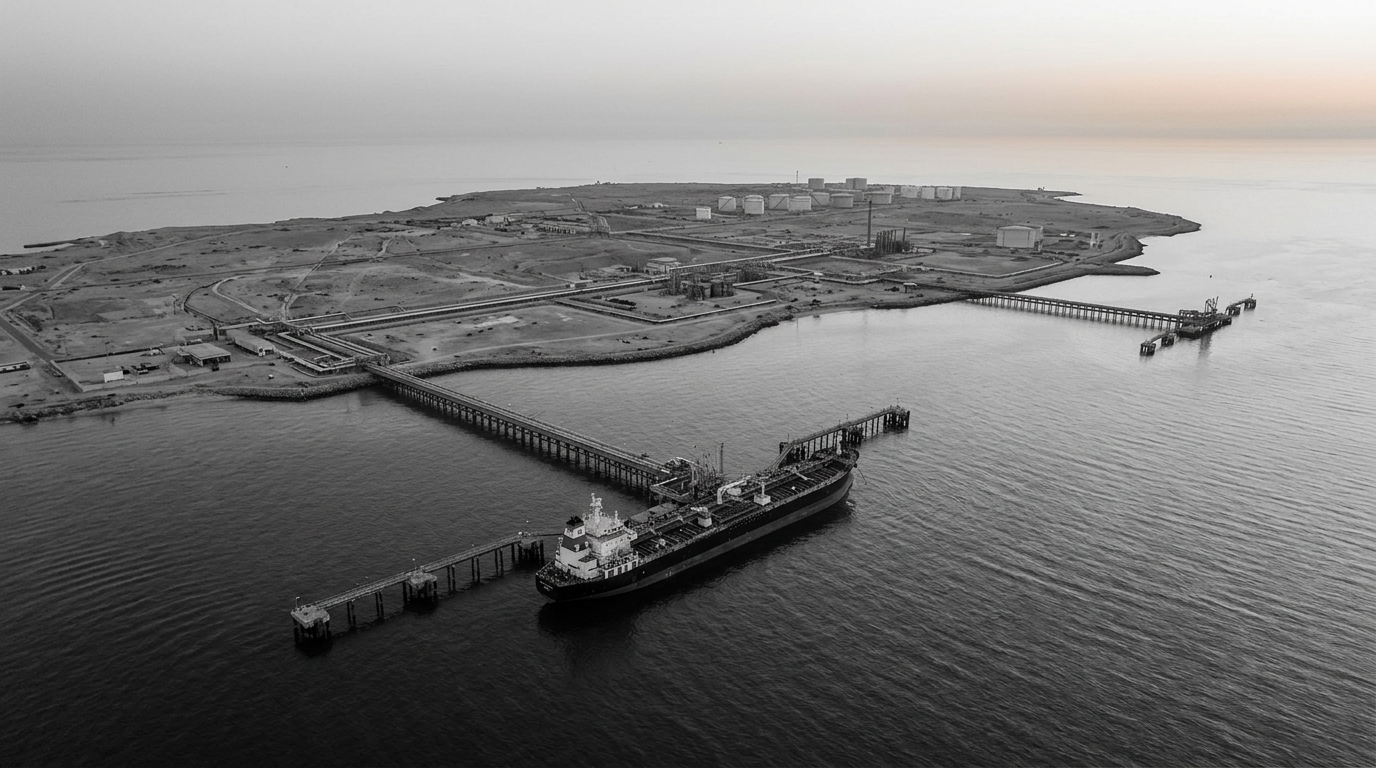
U.S. President Donald Trump said on March 30, 2026, that the United States is considering seizing Kharg Island, describing it as part of Washington’s approach in the ongoing conflict with Iran. The remarks were made in an interview with the Financial Times , and framed as a way to gain control over Iranian oil resources. Trump contrasted the idea with U.S. policy toward Venezuela, indicating the approach would be different.
Kharg Island is described in the discussions as Iran’s main oil export hub and a central pillar of the country’s energy economy. Officials have been debating its strategic value over the past month, according to the account of internal deliberations. The island’s infrastructure is used to handle crude from three offshore fields— Aboozar , Forouzan , and Dorood —before shipments move to international markets.
Alongside the policy debate, the U.S. administration has increased its military presence in the Middle East. About 3,500 additional soldiers have been deployed to the region aboard the USS Tripoli , adding to forces already positioned there. The potential seizure of a major export node would represent a significant escalation in the economic dimension of the conflict, given the role of oil flows in regional trade and government revenues.
Iranian officials have issued warnings about the consequences of any attempt to take the island. Iran’s parliament speaker, Mohammad Bagher Ghalibaf , said that a move to seize Kharg Island would trigger retaliatory attacks on critical infrastructure in regional countries that assist such an operation. His statement points to risks that could extend beyond Iran and the United States, potentially affecting neighboring states and key energy and transport assets.
Markets have already reacted to the conflict, with oil prices rising sharply. Brent crude was reported up more than 3 percent to above $116 a barrel, underscoring how quickly geopolitical developments can feed into global energy costs. Higher prices can ripple through inflation, shipping, and industrial inputs worldwide, particularly for import-dependent economies.
Diplomatic activity is also underway. Talks in Islamabad involve senior officials from Pakistan , Saudi Arabia , Egypt , and Turkey , with the stated aim of reducing tensions. Separately, Trump said Iran has agreed to allow 20 oil-carrying ships to pass through the Strait of Hormuz , a key corridor for global oil transit, though the durability and terms of that arrangement were not detailed.
Human costs from the war were also reported. Iran’s Ministry of Health said 2,076 people have been killed since the conflict began, including 216 children, and it reported an additional 25 deaths in Gulf Cooperation Council member states. Key uncertainties remain around whether the U.S. would proceed with the Kharg Island option and how regional actors would respond if the plan moved from consideration to action.