Ireland, Israel Draw 1-1 in Tense UEFA Nations League Match
The Republic of Ireland and Israel drew 1-1 in a tense UEFA Nations League match, with both teams wearing black armbands.
Mehmet Şahinoğlu ·
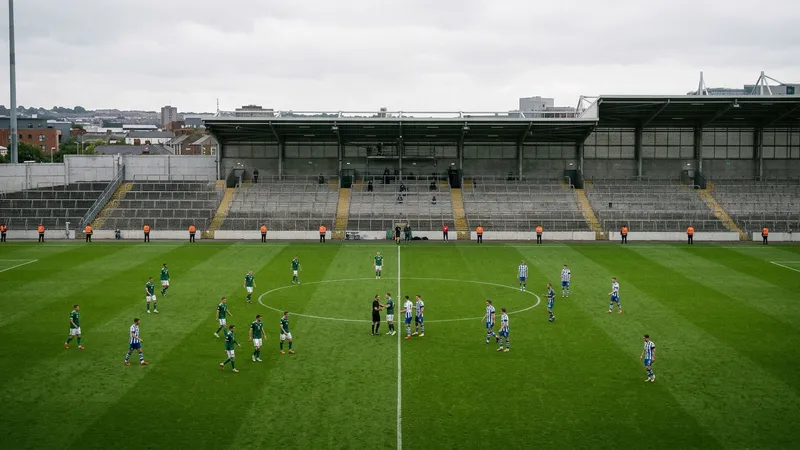
The Republic of Ireland and Israel concluded their UEFA Nations League fixture with a 1-1 draw, a result following a contentious match where both teams wore black armbands. Troy Parrott scored for Ireland, but his penalty proved insufficient to secure a victory.
Tense Stalemate in Nations League
The 1-1 draw between the Republic of Ireland and Israel in the UEFA Nations League unfolded in a tense atmosphere. Both national teams wore black armbands during the match, a gesture often used to commemorate or mourn. This fixture marked the second controversial meeting between the two sides in the Nations League.
Manager Urges Separation
Following the bad-tempered draw, Iceland's manager, Åge Hareide, called on UEFA to prevent future pairings of Ireland and Israel in competitions. This request highlights underlying tensions surrounding matches between the two nations, suggesting a need for administrative intervention to manage potential conflicts.
Ireland's Second-Half Struggles
The Republic of Ireland expressed frustration with the outcome, particularly after another poor second-half performance. Despite Troy Parrott's scoring effort, the team could not capitalize on opportunities to secure a win, leading to a shared point in the league standings.
Broader Sporting Context
This match forms part of the UEFA Nations League, a biennial international football competition contested by senior men's national teams of UEFA member associations. The league aims to replace most international friendly matches with competitive games, providing a more structured format for national team football across Europe.
Future Match Scheduling Under Scrutiny
The call for UEFA to separate Ireland and Israel in future draws introduces a potential shift in how international football fixtures are organized, particularly when political or social tensions influence sporting events. Such a decision would require careful consideration of sporting integrity versus broader geopolitical sensitivities.
Potential UEFA Policy Review
If calls for separation gain traction, UEFA could face pressure to review its match-scheduling policies. This might lead to new criteria for avoiding fixtures between nations with heightened political or social friction. Such a precedent could impact sports diplomacy's global macro picture and influence how other international sports bodies manage similar situations.