OPEC+ oil output stays flat as quota fight shifts to 2027
OPEC+ oil output targets are unchanged for November as war-related supply losses leave core producers far below prewar levels and defer a 2027 quota review.
Lauren Collins ·
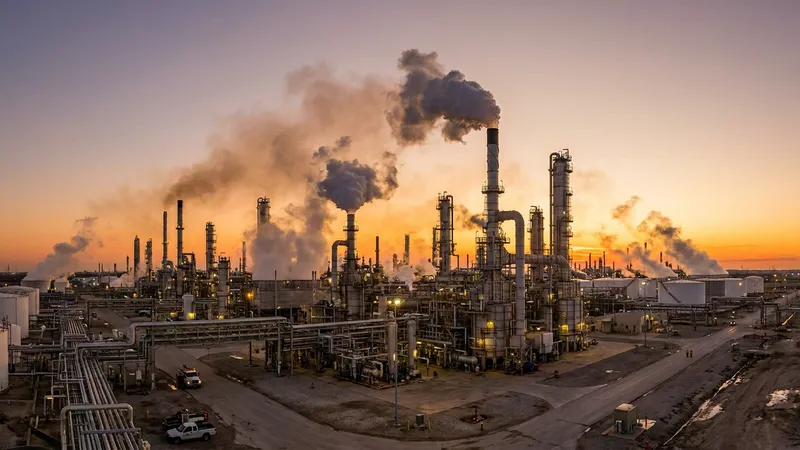
OPEC+ oil output targets will stay unchanged for November, keeping seven core producers far below prewar supply levels. A quota fight shifts to 2027.
The decision was taken Sunday in a brief online meeting of seven members: Saudi Arabia, Russia, Iraq, Kuwait, Algeria, Kazakhstan and Oman. The move matched expectations that the producer group would avoid further formal changes before a review of capacity and quotas.
Seven producers hold November line
The agreement leaves production ceilings intact even as actual barrels remain well short of those ceilings. Gulf OPEC+ producers have faced export disruptions during the US-Israeli war on Iran, with recent shipments running at 60% to 80% of normal levels, according to people familiar with the group’s supply picture.
Giovanni Staunovo, an analyst at UBS, said the decision was in line with market expectations and that output remained below quota despite stronger flows through the Strait of Hormuz. He said the market still appeared tight under those conditions.
Oil prices slipped Friday after European leaders agreed to President Trump’s request to release diesel reserves. Brent crude remains above $100 a barrel, compared with about $73 before the war began in late February, a price gap that keeps fuel costs central to inflation and trade balances.
Paper increases meet Hormuz limits
OPEC+ has lifted formal production targets through much of 2026 after several years of cuts. The practical effect has been limited, since disrupted Middle East exports have kept many increases on paper rather than in tankers.
The seven core members pumped 25 million barrels a day in August, according to OPEC data. That was up 630,000 barrels a day from July but still roughly 5 million barrels a day below February levels, before the war changed shipping patterns and production assumptions.
The gap matters for both consumers and producers. Importing economies face a crude price still anchored above prewar levels, while exporters with unused capacity must weigh whether formal quotas reflect available barrels or barrels that cannot reliably reach buyers.
A separate OPEC+ ministerial panel, the Joint Ministerial Monitoring Committee, also met Sunday to assess market conditions. That committee reviews compliance and supply trends, but it does not set output policy.
Capacity review shapes 2027
The war has delayed a capacity review that OPEC+ needs to allocate 2027 production quotas, people familiar with the process said last week. The review is meant to assess how much each member can produce, a technical question with direct political and revenue consequences.
OPEC+ still has about 2 million barrels a day of output cuts in place across most members. Without a settled capacity baseline, any redistribution of future increases would risk favoring countries whose production potential is harder to verify under current disruptions.
If export routes continue to improve and shipments move closer to normal, global markets would get more physical crude against the same official ceilings. For OPEC+, that would make the 2027 capacity review more usable; for the wider oil industry, it could reduce incentives for emergency stock releases and short-term fuel interventions.
If disruptions persist, Brent prices would remain more exposed to reserve releases and demand weakness than to formal OPEC+ announcements. In that case, the producer group would keep flexibility on paper, its Gulf members would sell less than their quotas allow, and refiners would keep competing for reliable cargoes.
The next test is the November 1 meeting of the seven core members. The main open question is whether actual exports, not official targets, can recover enough to make a 2027 quota settlement credible.