
Iran Faces Fuel Shortages Amid Sanctions Pressure
Long queues at Tehran gas stations signal fuel shortages, raising concerns over potential price hikes and public discontent under persistent US sanctions.
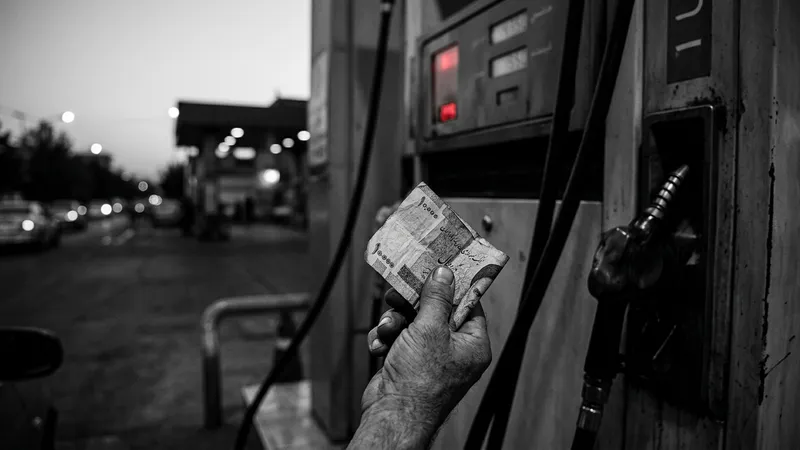
Long lines at petrol stations across Tehran are signaling significant fuel shortages, which are sparking concerns over potential price increases and growing public dissatisfaction. This development is unfolding against the backdrop of persistent United States sanctions, which continue to challenge Iran's capacity to manage internal economic pressures effectively.
The current scarcity of fuel underscores the ongoing impact of the US "maximum pressure" campaign. This strategy, initiated in 2018 during President Trump's first term, targets critical sectors of Iran's economy, including oil exports and the banking industry, aiming for economic isolation. The US Treasury Department regularly updates its sanctions lists, often including entities with ties to the Islamic Revolutionary Guard Corps (IRGC), which holds considerable influence over Iran's economic activities and regional operations.
Historical Precedent of Price Adjustments
Iran has historically maintained fuel subsidies, a policy designed to alleviate financial burdens on its citizens. However, these subsidies also impose substantial strain on budget. Previous attempts to adjust fuel prices, such as the widely documented incident in November 2019, triggered extensive protests that were met with forceful government responses.
The present situation introduces renewed uncertainty regarding the government's ability to sustain these subsidies. Reduced oil revenues and increasing domestic demand contribute to the challenge. The economic difficulties confronting Iran hold significant implications for broader regional stability and global energy markets.
Regional and Global Energy Stakes
As a prominent member of OPEC+, Iran plays a crucial role in global energy dynamics and controls the Strait of Hormuz, a vital maritime route for a substantial portion of the world's oil shipments. Economic hardship and potential internal instability within Iran could lead to heightened regional tensions, potentially disrupting oil flows through the Strait of Hormuz or the Bab al-Mandab Strait, where Houthi forces, backed by Iran, have carried out attacks.
Iran's internal dynamics also influence its engagement with neighboring states and international bodies. The continuous economic pressure impacts the nation's financial capacity to support regional proxy groups, which could alter the balance of power in ongoing conflicts. Furthermore, a severe domestic crisis might provoke significant refugee movements into adjacent countries, creating additional humanitarian and political challenges for allies like Iraq and other nations in the broader region.
Looking forward, should fuel shortages persist or escalate into widespread public dissent, Iran's leadership could face increasing pressure to either offer visible concessions or implement more stringent measures to maintain order. Conversely, the situation might stabilize if the government successfully introduces minor adjustments to distribution or pricing without igniting widespread unrest. A key question remains how the Iranian government will balance its economic resilience strategies against growing public frustration by the deadline of August 31, 2024.
More stories
- Red Cross says Gaza hostage access involved Haniyeh talks
- Trump urges Zelensky replacement over refinery strikes
- Saudi Arabia suspends Riyadh airport operations after attack
- Kyiv playground blast puts Ukraine air-defense stocks back on Washington’s agenda
- Rubio’s Athens speech hardens Washington’s public line on Iran
- Saudi airport hit in new Houthi attack, officials say
- AI Investments Drive Eurozone Industrial Sorting for Circular Economy
- CIA Director Ratcliffe Makes Unannounced Moscow Visit
- Netanyahu says Iran tried to kill one son as vote nears
- US Bolsters Iran Sanctions Warning to Global Entities