

US Sanctions Spark Fuel Queues in Tehran
New US sanctions against Iran have led to fuel queues in Tehran, raising concerns about potential supply disruptions and market impact.
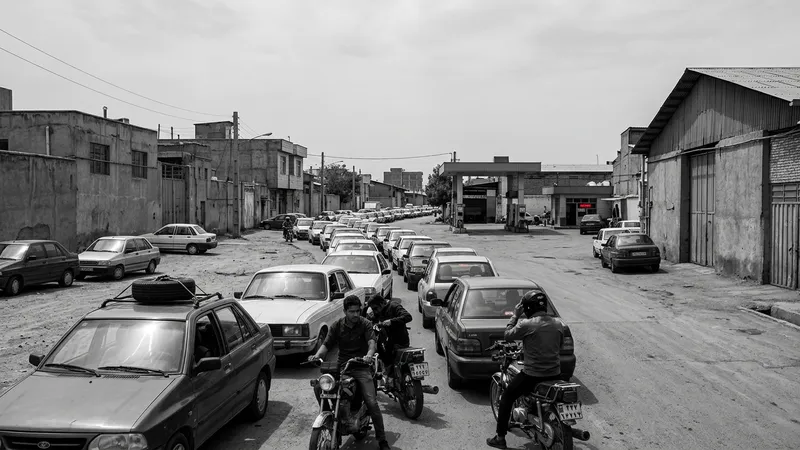
Residents in Tehran experienced notable fuel queues on Tuesday, coinciding with the United States' announcement of new sanctions against Iran. This development unfolds six months into a regional conflict that has paused broader diplomatic efforts between nations. The recently imposed measures add another economic instrument to Washington's ongoing pressure strategy targeting the Islamic Republic.
Immediate Domestic Challenges Emerge
The sudden appearance of fuel lines presents an immediate domestic challenge for the Iranian government, underscoring how international pressure can directly affect daily life. Officials have indicated that these sanctions aim to intensify pressure on Iran, though specific details regarding targeted entities, exact enforcement dates, or potential exemptions have not been released. This lack of clarity contributes to uncertainty regarding immediate trade implications and fosters apprehension within the market.
The significance of these fuel queues extends beyond mere inconvenience, as fuel is a fundamental necessity for households and a politically sensitive commodity. Should these lines remain localized and temporary, authorities in Tehran might characterize the situation as a short-term response to the sanctions announcement, rather than a systemic disruption of supply. However, if the queues persist or expand beyond the initial reaction period, the situation could evolve considerably.
Broader Economic and Energy Sector Implications
Prolonged waiting times for fuel could necessitate rationing measures, elevate distribution costs, and heighten public sensitivity to the effects of sanctions, even before any quantifiable alterations in oil flows are officially reported. From a global macroeconomic perspective, the direct consequences will largely hinge on whether these new sanctions directly impact energy shipments, insurance provisions, payment systems, or access to critical port facilities.
Without specific details on these crucial elements, the potential impact on global commodity markets remains unquantified at this stage, and the broader reaction of the oil market is still developing. For Iran's domestic energy sector, the primary immediate concern is a decline in consumer confidence at fuel stations, rather than a confirmed physical shortage of fuel. For the wider energy industry, any enforcement actions that restrict existing trade routes would likely result in increased compliance costs for shippers, refiners, and financial institutions engaged in transactions related to Iran.
The upcoming days will be critical in determining whether the current queues remain concentrated solely in the capital or if they evolve into a more widespread challenge for Iranian officials and energy intermediaries concerning supply management.
More stories
- Red Cross says Gaza hostage access involved Haniyeh talks
- Trump urges Zelensky replacement over refinery strikes
- Saudi Arabia suspends Riyadh airport operations after attack
- Kyiv playground blast puts Ukraine air-defense stocks back on Washington’s agenda
- Rubio’s Athens speech hardens Washington’s public line on Iran
- Saudi airport hit in new Houthi attack, officials say
- Taiwan Charges Nine in Illegal AI Server Export to China
- US Sanctions Indian Firms Over Iran Trade Ties
- Israel Syria strikes test US role between Turkiye, Israel
- White House Weighs Secret Intervention in Israeli Election