Iran World Cup team gets extra US day for Seattle match
The Iran World Cup team will be allowed an extra day in the United States ahead of its Seattle match, while remaining subject to standard post-game departure…
Mehmet Şahinoğlu ·
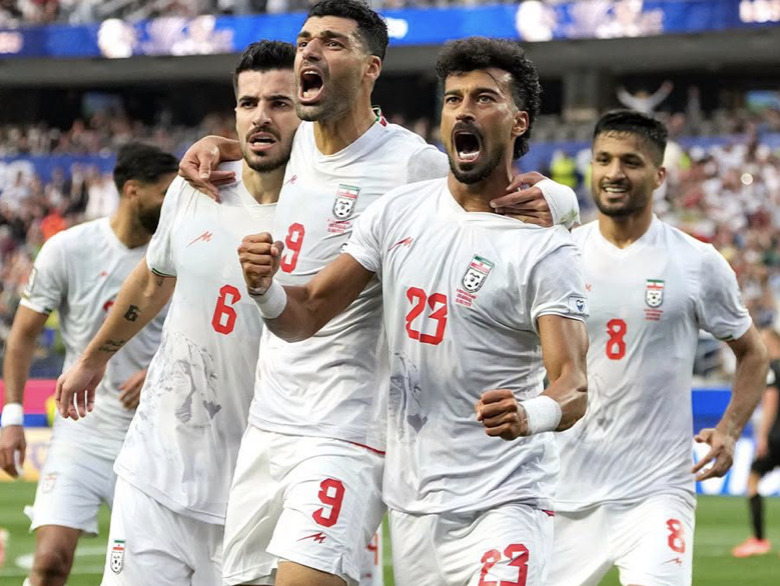
The Iran World Cup team will be allowed to enter the United States two days before Friday’s World Cup match in Seattle, according to a Department of Homeland Security spokesperson. The adjustment gives the squad more preparation time than earlier guidance allowed, while leaving other conditions unchanged.
DHS said the team must still depart after the match and that “overall security measures and protocol remain the same.” The change follows criticism from Iran’s football officials over what they described as restrictive travel arrangements.
Entry window widened ahead of Seattle fixture
Under the updated plan, Iran’s players can arrive in the US 48 hours before the Seattle game. Previously, the team had been instructed it could enter only 24 hours before each of its first two matches.
The team has been conducting training sessions in Tijuana, Mexico, positioning itself close to the US border ahead of tournament travel. Iran’s football federation had said it intended to submit a complaint to FIFA regarding the earlier limitations.
Officials did not outline what prompted the revised timing, beyond confirming that the broader security posture would not change. The decision comes amid heightened scrutiny around tournament logistics and national security screening for participating delegations.
Dispute reflects political strains around the tournament
The travel issue has unfolded against a tense political backdrop between Washington and Tehran. US and Iranian officials are engaged in negotiations aimed at implementing a deal described as tied to ending a war, a context that has raised attention around Iran-related movements and permissions.
Iran’s head coach, Amir Ghalenoei, publicly criticized the team’s treatment after Iran’s first match against New Zealand, calling his squad the “most oppressed” at the tournament. His remarks added to a growing narrative among some Iranian officials and supporters that the team faces unusual constraints compared with other participants.
The US role as a co-host, alongside Canada and Mexico, has also focused attention on how host governments coordinate entry rules, security protocols, and movement schedules. Even small changes to arrival windows can affect training plans, recovery routines, media obligations, and pre-match preparation.
What the decision means for preparation and oversight
An additional day in the host country can materially improve a team’s ability to adjust to venue-specific conditions, conduct closed training sessions, and manage matchday operations. For Iran, the Seattle arrival expansion reduces the need for last-minute travel and compresses fewer activities into a single day.
At the same time, DHS emphasized that departure requirements remain intact and that security procedures will be consistent. That statement signals that the adjustment is not a broad easing of restrictions, but a scheduling change within existing oversight rules.
The back-and-forth also highlights the ways major sporting events can be affected by diplomatic messaging. Earlier this year, President Donald Trump said it would not be “appropriate” for Iran to participate in the summer’s World Cup, underscoring how participation itself became a point of political debate.
Trump has taken a prominent role in planning for the tournament, which the US is co-hosting with Canada and Mexico. He has clashed with both neighbors on trade, immigration, and national security, issues that can spill into how cross-border tournament operations are managed.
For Iran’s football officials, the next practical step is confirming travel and training schedules under the updated entry window while deciding whether to continue pursuing a FIFA complaint. For organizers and governments, the focus will be on whether similar timing disputes arise for other delegations as the tournament progresses.