Iran war widens as U.S. hits 90 targets in second night
The Iran war escalated after U.S. forces hit about 90 targets and Tehran said it struck U.S. bases in the Gulf.
Raj Patel ·
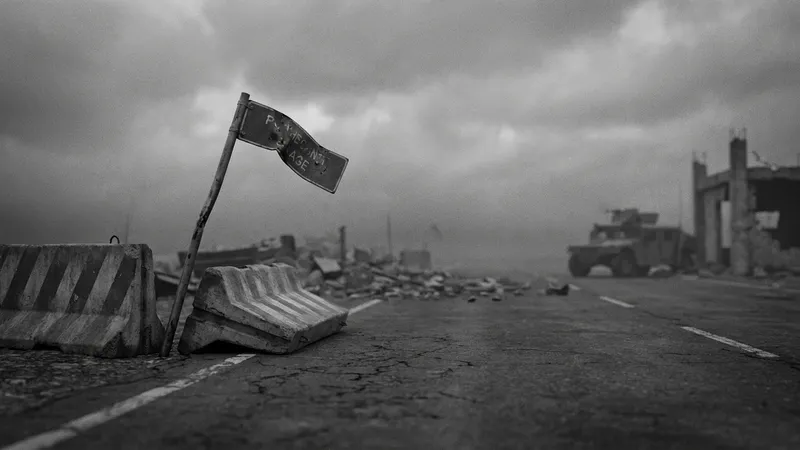
The Iran war escalated after U.S. forces struck about 90 Iranian targets for a second night. Tehran said it then aimed at U.S. bases in the Gulf.
U.S. Central Command said the late Wednesday operation was retaliation for Iranian attacks on commercial ships earlier in the week. The command said the targets included missile and drone storage locations and air defense systems inside Iran.
Ninety targets inside Iran
The second round of U.S. strikes points to a broader military campaign than a single warning shot, based on Central Command's description. Storage sites affect Iran's ability to launch or sustain missile and drone attacks, while air defenses shape the risk facing aircraft in any further operation.
The stated trigger was maritime security, but the available account does not identify the ships, their owners, their flags or the damage they sustained. That leaves a key commercial question unanswered: whether the shipping disruption is isolated or part of a pattern that could raise insurance and routing costs.
Gulf bases enter firing line
Tehran then said it targeted U.S. bases in Bahrain, Kuwait and Qatar. That claim, if confirmed by U.S. or host-country authorities, would widen the confrontation from Iranian territory to Gulf states that host American military facilities.
The base claims also increase the risk of miscalculation around countries not described as direct combatants in the U.S. account. Even unsuccessful attacks can force higher alert levels, slow military logistics and raise pressure on regional governments to manage public and diplomatic fallout.
Trump closes diplomatic space
President Trump sharpened the political signal earlier Wednesday at a NATO summit. Asked about a ceasefire with Iran, he said, "as far as I'm concerned, it's over," according to the remarks provided.
Trump also said he was unsure he wanted a deal with Iran, called Iranian leaders "sick," and described engagement with them as "a waste of time dealing with them." Those comments narrow the visible space for near-term diplomacy, even if military and diplomatic channels remain technically available.
Commercial shipping risk spreads
No named company sits at the center of the available facts, and no carrier, cargo buyer or insurer was identified. The direct corporate exposure therefore cannot be sized from the information provided, including whether any publicly listed shipping group faces a material loss.
For the wider shipping sector, the mechanism is clearer than the company impact. If vessel attacks continue, operators may face longer voyages, higher war-risk premiums or tighter scheduling around Gulf-linked routes; if attacks stop, the commercial effect may remain limited to caution and monitoring.
Three conditional paths
If both sides pause after this exchange, the global macro effect would likely come through lower immediate risk premiums rather than fresh disruption. For ship operators, that would keep route planning closer to normal, while the defense sector would watch for replenishment orders tied to missiles, drones and air defense equipment.
If the exchange continues, Gulf military facilities become the focal risk. That path could weigh on global trade sentiment through higher transport costs, leave unnamed commercial ship operators facing harder insurance terms, and push regional defense systems and drone countermeasures deeper into procurement planning.
If diplomacy remains closed and the ceasefire language hardens, the confrontation could become more durable. The macro channel would be confidence and logistics rather than a single confirmed data shock, while the company-level effect would depend on which ships, ports or contractors are eventually identified in official accounts.